







What's Happening?
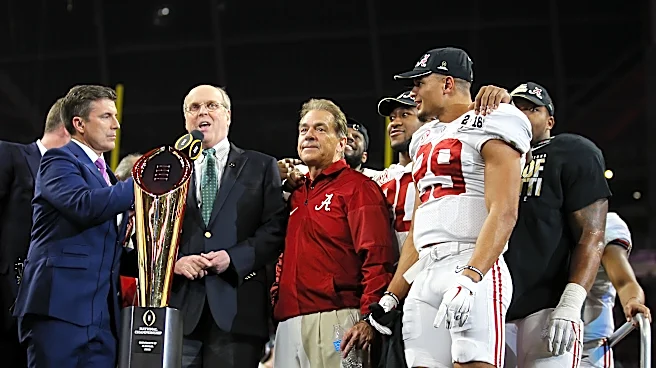
The College Football Playoff (CFP) selection committee's initial rankings for 2026 have generated significant debate, with several teams' placements drawing criticism. Alabama was ranked No. 5, despite having a 2-2 record against other CFP top 25 opponents
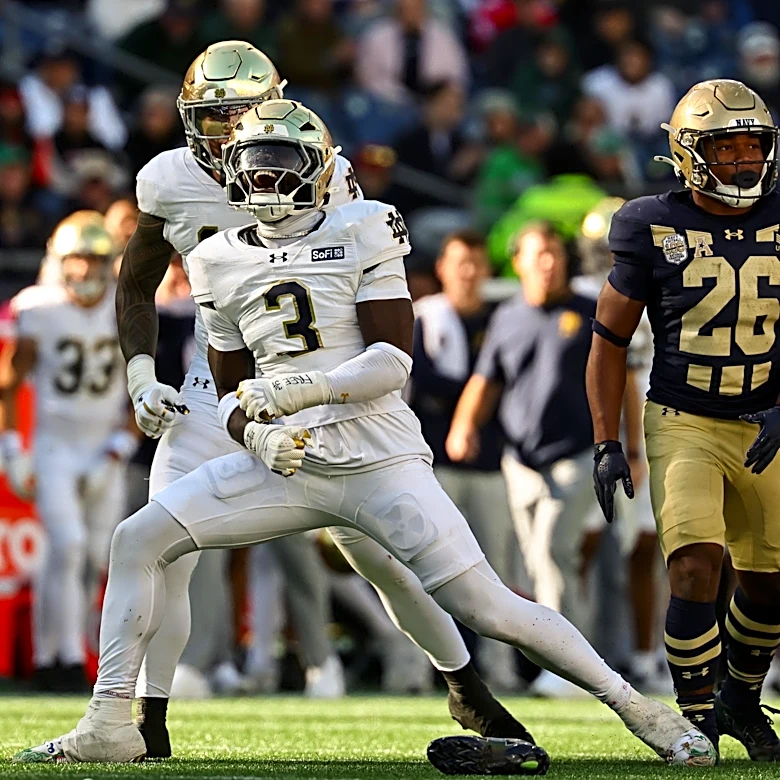
and back-to-back losses to Georgia and Tennessee. Six teams ranked lower than Alabama have better records against ranked opponents, and the committee's mention of a win against Mississippi State as a major factor was questioned. Notre Dame, ranked No. 11, is considered too low by some, despite leading college football with a 27-point average margin of victory and a strong overall performance, with critics suggesting the committee overly penalized them for their strength of schedule. Indiana, ranked No. 4, is seen as too high, having not beaten a single currently ranked CFP team and playing a weak non-conference schedule. Ohio State, ranked No. 12, is believed to be too low, despite beating Indiana on the road, having the No. 2 strength of record, and the No. 10 strength of schedule. CFP committee chairman Hunter Yurachek admitted that the Buckeyes' head-to-head win over Indiana was not considered.
Why It's Important?
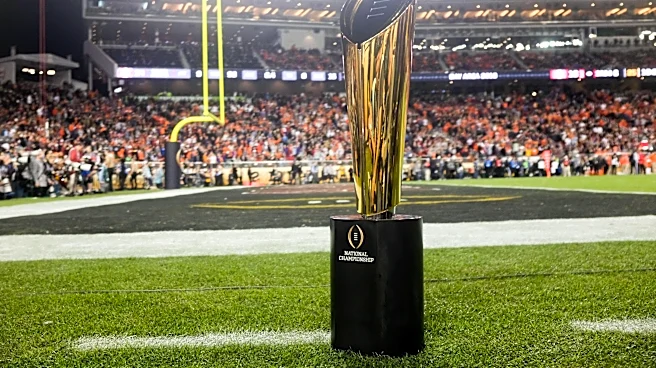
The College Football Playoff rankings are crucial as they determine which four teams will compete for the national championship, significantly impacting university prestige, athletic program revenue, and player opportunities. Controversial rankings, such as those seen this week, can lead to widespread dissatisfaction among fan bases, coaches, and athletic directors, questioning the fairness and transparency of the selection process. The perceived inconsistencies, like Alabama's high ranking despite multiple losses to ranked opponents, or Ohio State's low ranking despite strong metrics and a head-to-head win, can undermine the credibility of the committee. This debate highlights the subjective nature of ranking systems in sports and the immense pressure on the committee to balance various factors, including strength of schedule, head-to-head results, and overall team performance, which can have significant financial and reputational consequences for the involved institutions.
What's Next?
The initial CFP rankings will undoubtedly fuel intense discussions and scrutiny in the coming weeks as teams continue their seasons. Each subsequent week's rankings release will be met with renewed analysis and debate, especially concerning the teams currently on the bubble or those whose placements are deemed questionable. Teams like Notre Dame and Ohio State will aim to strengthen their resumes with dominant performances, hoping to climb the rankings. Conversely, teams like Alabama and Indiana will face pressure to justify their current positions with strong showings against tough opponents. The committee will need to provide clearer justifications for their decisions to maintain public trust, particularly as the season progresses and the stakes become higher. The final rankings will determine the playoff matchups, leading to a highly anticipated championship tournament.
Beyond the Headlines
The controversy surrounding the CFP rankings extends beyond mere sports debate; it touches upon the broader issues of fairness, transparency, and the influence of traditional powerhouses in collegiate athletics. The committee's admitted oversight regarding Ohio State's head-to-head win against Indiana raises questions about the thoroughness and objectivity of their evaluation process. This can lead to perceptions of bias, where established programs might receive preferential treatment over equally deserving teams. Such controversies can also impact recruiting, alumni engagement, and the financial health of athletic departments. The ongoing challenge for the CFP committee is to develop a system that is not only robust in its metrics but also perceived as equitable and transparent by all stakeholders, ensuring that the most deserving teams earn a shot at the national title, regardless of their historical standing or conference affiliation.