
What's Happening?
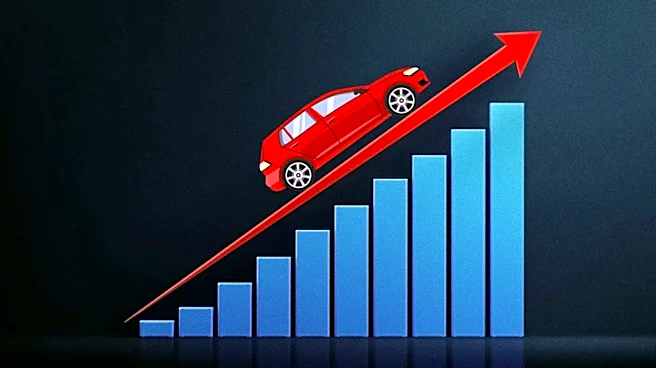
U.S. new-vehicle sales saw a 2.9% increase in October compared to the previous year, reaching an estimated 1.324 million vehicles. However, this figure fell short of initial forecasts, which projected
1.38 million units. The seasonally adjusted annual rate (SAAR) for October was approximately 15.5 million, missing Cox Automotive's projection of 16.1 million and declining from September's 16 million rate. This marks the slowest annualized sales pace since January. The average monthly payment for a new-vehicle finance contract is expected to hit $823 in October, a 2.6% increase from a year ago, with the average interest rate rising by 19 basis points to 6.81%. The overall sales increase was partly attributed to an extra selling day in October 2026 compared to October 2025, rather than a significant acceleration in buying activity. The average daily selling rate actually saw a slight decrease. The shortfall in sales was more pronounced among individual buyers, as fleet sales increased by nearly 6% year-over-year.
Why It's Important?
The discrepancy between actual and forecasted sales highlights the growing impact of affordability constraints on the U.S. automotive market. Rising interest rates and higher monthly payments are directly affecting consumer purchasing power, leading to a slowdown in retail demand. This trend is critical for auto lenders and the credit and collection industry, as it indicates a challenging environment where consumers are more hesitant to commit to new vehicle purchases due to increased borrowing costs. While overall sales volumes show modest year-over-year growth, the underlying weakness in the annualized sales pace suggests that the market's momentum is faltering. This could lead to increased pressure on manufacturers and dealerships to offer more incentives or adjust pricing strategies to attract buyers, potentially impacting profit margins across the industry. The shift in sales dynamics, with fleet purchases outperforming individual retail sales, also indicates a change in market composition that could influence future production and marketing strategies.
What's Next?
Industry forecasters, despite October's performance, still anticipate full-year sales to reach at least 16 million vehicles. Cox Automotive noted that the weaker October results increase the downside risk to its 16.1 million forecast, but achieving over 16 million for the third consecutive year is still possible if November and December sales match year-earlier volumes. TD Economics, however, offers a more cautious near-term outlook, expecting sales to ease through the fourth quarter before a gradual rebound in 2027. This recovery is contingent on easing energy prices and limitations on further increases in borrowing costs. Stakeholders, including auto manufacturers, dealerships, and financial institutions, will closely monitor economic indicators such as interest rates and consumer confidence in the coming months. Potential reactions could include more aggressive promotional offers from manufacturers, adjustments in inventory levels, and a continued focus on fleet sales to offset weaker retail demand. The market will also be sensitive to any shifts in monetary policy that could influence financing costs.
Beyond the Headlines
The current trend in U.S. new-car sales points to a broader economic narrative where consumers are increasingly sensitive to financing costs and overall affordability. This situation could accelerate the shift towards more budget-friendly vehicle options or a longer retention period for existing vehicles, impacting the new car market in the long term. Furthermore, the reliance on fleet sales to bolster overall numbers might mask underlying weaknesses in consumer demand, potentially leading to an overestimation of market health. This could also influence the types of vehicles produced, with manufacturers potentially prioritizing models that appeal to fleet buyers or those with lower price points. The increased financial burden on consumers could also have ripple effects on other sectors of the economy, as discretionary spending on vehicles competes with other essential expenditures. This scenario underscores the delicate balance between economic growth, consumer confidence, and the accessibility of credit in driving major purchase decisions.