



What's Happening?
IKEA is emphasizing the benefits and features of multifunctional furniture, particularly sofa beds, as a practical solution for homes with limited space. The company notes that these pieces can serve multiple purposes, such as combining a sofa, chaise
longue, bed, and storage into a single unit. This approach helps maximize utility in smaller living areas, reducing the need for separate furniture items. IKEA's offerings include various sofa bed models with different mechanisms like fold-out, reclining, pull-out, and click-clack, each designed to transform the furniture from a seating arrangement to a sleeping surface. Key features highlighted include hidden storage, diverse mattress options, and flexible configurations to adapt to different room layouts. The company also provides guidance on maintaining these items to ensure their longevity and functionality.
Why It's Important?
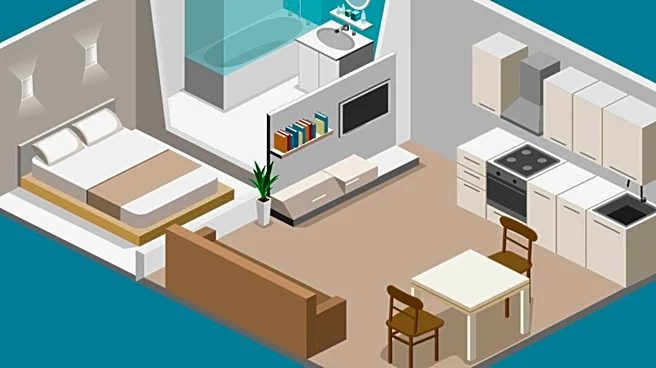
The growing trend of multifunctional furniture, as highlighted by IKEA, is significant for U.S. consumers facing increasing urbanization and smaller living spaces, particularly in metropolitan areas. This trend directly addresses the challenge of optimizing limited square footage, offering practical solutions for apartments, small homes, and rooms that need to serve multiple functions, such as a family room doubling as a guest bedroom. For the furniture industry, this signifies a shift towards innovative design focused on utility and space efficiency, potentially influencing product development and marketing strategies. Consumers stand to gain from more versatile and cost-effective furniture options that enhance living comfort without requiring extensive space or multiple purchases. This also reflects a broader societal move towards more sustainable and efficient living, where products are designed to offer maximum value and adaptability.
What's Next?
As the demand for space-saving solutions continues to grow in the U.S., it is likely that more furniture retailers will follow IKEA's lead in expanding their lines of multifunctional furniture. Consumers can expect to see a wider variety of designs, materials, and technological integrations in these products, catering to diverse aesthetic preferences and functional needs. There may also be an increased focus on modular and customizable options, allowing individuals to tailor furniture to their specific living arrangements. Furthermore, the emphasis on practical features like hidden storage and easy-to-use transformation mechanisms will likely become standard in new product developments. This trend could also spur innovation in smart furniture, where technology is integrated to enhance the versatility and convenience of these pieces, further blurring the lines between different furniture categories.
Beyond the Headlines
The rise of multifunctional furniture extends beyond mere practicality; it reflects a deeper cultural and economic shift in how Americans perceive and utilize their living spaces. In an era of rising housing costs and a growing preference for urban living, the concept of 'less is more' is gaining traction, leading to a re-evaluation of traditional home layouts and furniture needs. This trend also touches upon environmental considerations, as multifunctional pieces can potentially reduce overall consumption by serving multiple purposes, thus minimizing the need for additional items. Ethically, it encourages a more thoughtful approach to design, prioritizing utility and longevity over single-purpose items that might quickly become obsolete or contribute to clutter. This shift could foster a minimalist aesthetic and a more conscious consumer base, valuing efficiency and adaptability in their home environments.