




What's Happening?
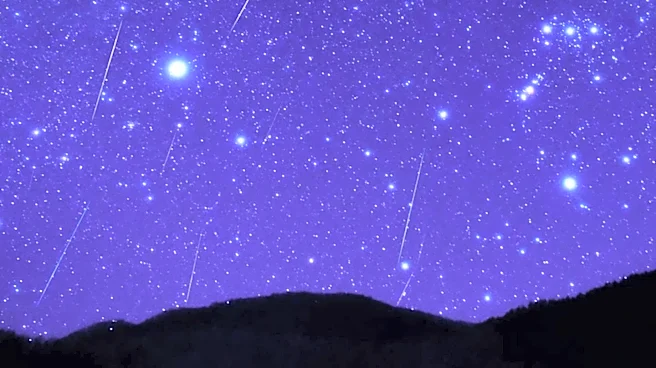
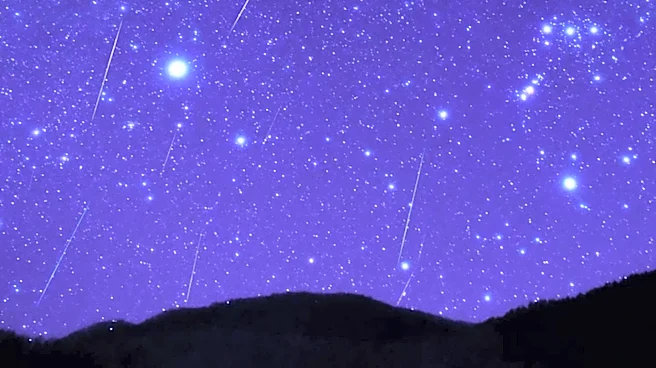
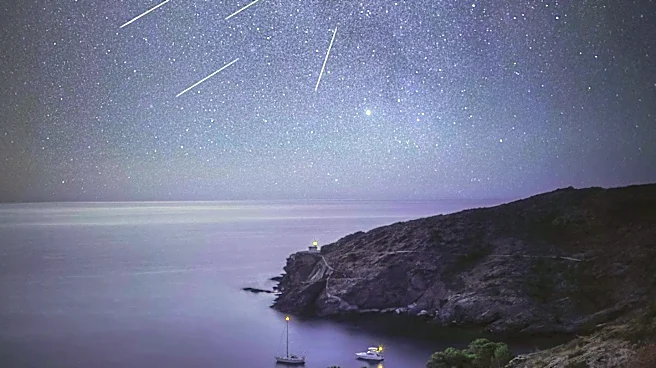
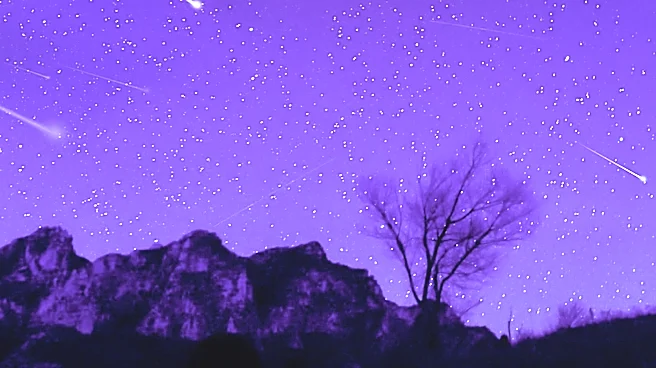
The Perseid meteor shower is set to peak on the mornings of August 12 and 13, 2026, coinciding with a new moon, which will provide optimal dark sky conditions for viewing. This year, skywatchers can expect to see up to 90 meteors per hour. The event has
prompted many travelers to plan road trips to locations with minimal light pollution. Notably, South Dakota's Badlands National Park has recently been designated as an International Dark Sky Park, making it an ideal destination for viewing the meteor shower. Other locations such as Sun Valley Resort in Idaho and Bar Harbor in Maine are also popular choices for stargazers.
Why It's Important?
The Perseid meteor shower is a significant astronomical event that draws attention to the importance of preserving dark skies. The designation of new dark sky parks highlights efforts to combat light pollution, which affects both wildlife and human health. The event also boosts local tourism as travelers seek out optimal viewing locations, benefiting businesses in these areas. The increased interest in dark sky tourism underscores a growing public awareness and appreciation for natural nightscapes, which can lead to more conservation efforts.
What's Next?
As interest in dark sky tourism grows, more locations may seek dark sky designations to attract visitors. This could lead to increased efforts to reduce light pollution in urban areas. Additionally, the success of events like the Perseid meteor shower could encourage more people to engage in amateur astronomy, potentially leading to greater public support for space exploration and science education initiatives.