






What's Happening?
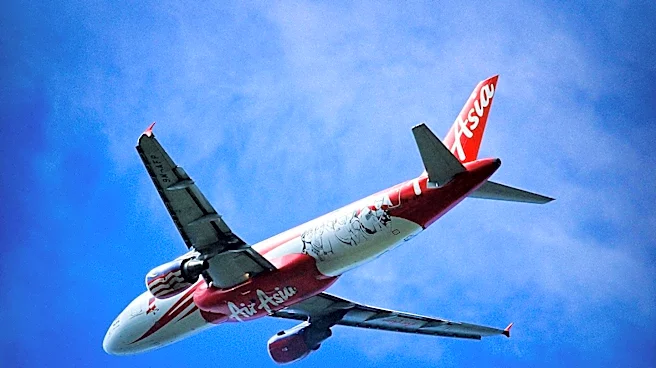
AirAsia has reaffirmed its long-term commitment to the Kingdom of Bahrain, appointing a new Board of Directors for AirAsia Bahrain. Dr. Serra Kirdar will chair the board, with Dato’ Fam Lee Ee as Vice Chair, alongside other non-executive directors including
Dr. Faisal Khalid Kanoo, Nawaf Al Zayani, Akram Safa, Lord Ahmad of Wimbledon, and Tan Sri Jamaludin Ibrahim. This development follows a Letter of Intent signed in November 2025 between Capital A, AirAsia's parent company, and Bahrain’s Ministry of Transportation and Telecommunications, and AirAsia's February 2026 announcement positioning Bahrain as its Middle East hub. Despite geopolitical challenges in the region, AirAsia's commitment remains unchanged, with plans to commence AirAsia flights to Bahrain by March 2027, conditions permitting. The company also intends to support Bahrain’s broader aviation ecosystem through its diverse businesses, including developing MRO capabilities via Asia Digital Engineering (ADE) and scaling up logistics operations with Teleport.
Why It's Important?
This strategic move by AirAsia underscores Bahrain's growing importance as a regional aviation and logistics hub, connecting ASEAN with the Middle East, Europe, and beyond. The establishment of AirAsia Bahrain and the appointment of a distinguished board signal a significant investment in the country's infrastructure and economy. For Bahrain, this commitment means the creation of high-value engineering jobs, the development of local technical expertise, and a strengthened position in the global aviation sector. AirAsia's plans to develop Maintenance, Repair, and Overhaul (MRO) capabilities through ADE will not only serve its own fleet but also other carriers in the region, fostering a more robust aviation ecosystem. Furthermore, the expansion of Teleport's freighter services will enhance trade flows between Asia and the Gulf, benefiting businesses and consumers through improved supply chain efficiency. The partnership, recognized by Bahrain's 'Golden License,' highlights the mutual benefits of this collaboration, aiming to boost tourism, trade links, and talent development.
What's Next?
AirAsia is targeting the commencement of its flights to Bahrain by March 2027, contingent on regional conditions. In the interim, Teleport, AirAsia's logistics arm, will continue its twice-weekly freighter services into Bahrain, with plans to scale up capacity using larger freighter aircraft. The newly appointed AirAsia Bahrain Board of Directors will likely focus on operationalizing these plans and integrating AirAsia's diverse businesses into Bahrain's aviation ecosystem. The development of MRO capabilities through Asia Digital Engineering (ADE) will also be a key area of focus, aiming to establish Bahrain as a regional center for aircraft maintenance. This initiative is expected to attract further investment and foster technical skill development within the country. The success of these ventures will be closely monitored as they contribute to Bahrain's economic diversification and its role as a strategic gateway.
Beyond the Headlines
The long-term commitment by AirAsia to Bahrain, despite geopolitical challenges, highlights a broader trend of companies seeking strategic hubs in stable and supportive environments. The 'Golden License' awarded by the Government of Bahrain signifies a strong governmental endorsement and a commitment to facilitating foreign investment, which could serve as a model for other nations looking to attract major international businesses. This partnership extends beyond mere flight operations, encompassing a holistic approach to aviation ecosystem development, including maintenance and logistics. This integrated strategy could lead to significant technological transfer and skill development, fostering a more self-reliant and advanced aviation industry in Bahrain. The emphasis on strengthening tourism and trade links between the Gulf and Asia also points to a future where regional connectivity plays an even more crucial role in global economic integration, potentially reshaping trade routes and cultural exchanges.