


What's Happening?
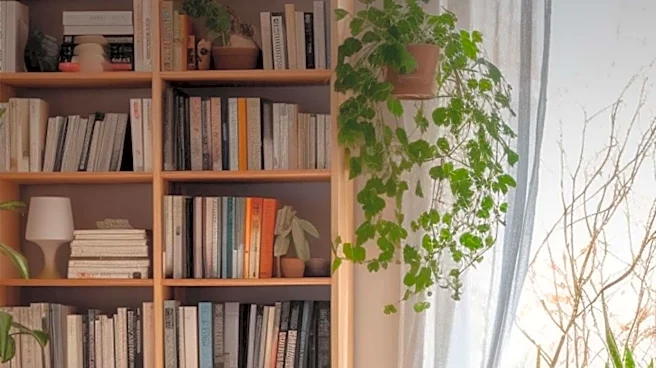
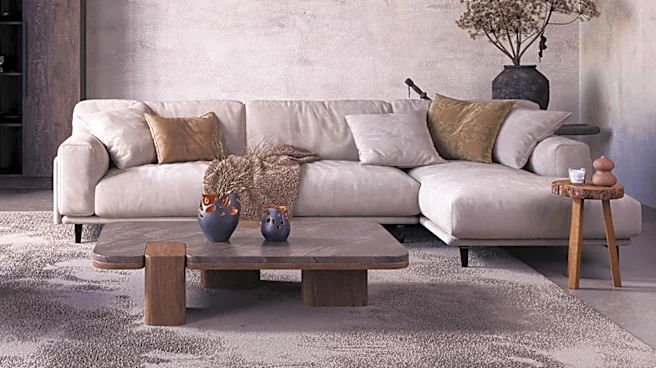
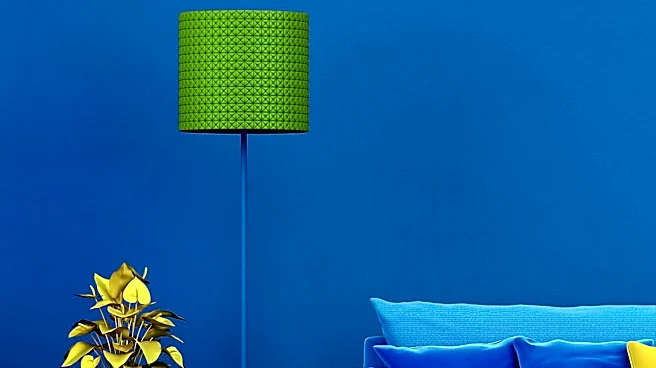
Homeware brands are increasingly focusing on providing a lifestyle experience rather than just products. KAS Australia, for instance, is recognized for its bold prints, vibrant colors, and high-quality designs that aim to transform everyday living into
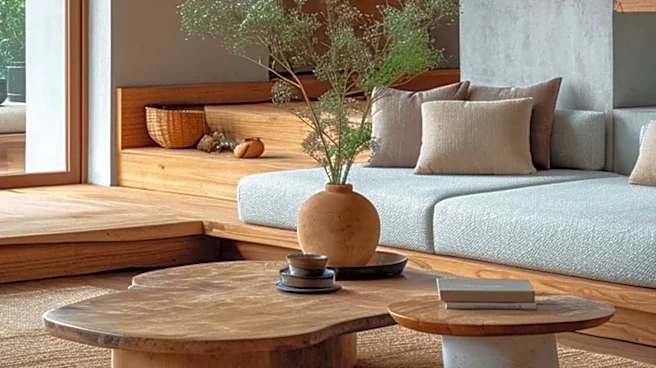
an inspiring experience. Similarly, The Line Edit., an Australian homewares brand, caters to individuals seeking to live well without overcomplicating their lives. This trend highlights a shift in consumer mindset towards intentional styling and mindful consumption, particularly in home decor. The emphasis is on creating a curated collection of objects that possess structural quality, material integrity, and personal meaning, rather than following fleeting trends. This approach encourages consumers to invest in fewer, higher-quality items that can endure over time and contribute to a more meaningful living space.
Why It's Important?
This shift in the homeware industry reflects a broader cultural movement towards sustainability and conscious consumerism. For U.S. consumers, this means a potential move away from fast-fashion home decor, which often leads to wasteful cycles of purchase and disposal. By prioritizing quality over quantity and personal meaning over transient trends, consumers can create more enduring and aesthetically pleasing living environments. This approach also supports independent artisans and local producers, fostering a more ethical and sustainable supply chain. Businesses that adapt to this trend by offering durable, meaningful, and versatile homeware products are likely to gain a competitive edge, while those that continue to rely on mass-produced, trend-driven items may face declining relevance. The focus on 'lifestyle experience' also taps into consumers' desire for self-expression and well-being within their homes.
What's Next?
The homeware market is expected to continue evolving towards more personalized and sustainable offerings. Consumers will likely seek out brands that align with their values of environmental responsibility and intentional living. This could lead to an increase in demand for handcrafted items, vintage pieces, and products made from natural, long-lasting materials. Retailers may need to adjust their strategies to emphasize the story behind their products, the craftsmanship involved, and the long-term value they offer. Educational initiatives promoting mindful consumption and the benefits of a capsule home decor collection could also gain traction, further influencing consumer choices. The industry might see more collaborations between designers and artisans, focusing on unique, limited-edition collections that cater to this discerning market segment.
Beyond the Headlines
The emphasis on homeware as a lifestyle experience extends beyond mere aesthetics; it touches upon deeper psychological and cultural implications. In an increasingly fast-paced and disposable society, the desire for a home that reflects personal values and offers a sense of permanence can be seen as a form of resistance. It encourages individuals to cultivate a more thoughtful relationship with their possessions, viewing them as investments in their well-being and personal narrative rather than temporary fixes. This trend also highlights the growing importance of authenticity and traceability in consumer goods, as people seek to connect with the origins and makers of the items they bring into their homes. Ultimately, this movement could foster a greater appreciation for craftsmanship, durability, and the emotional resonance of everyday objects, leading to more fulfilling and sustainable living practices.