






What's Happening?
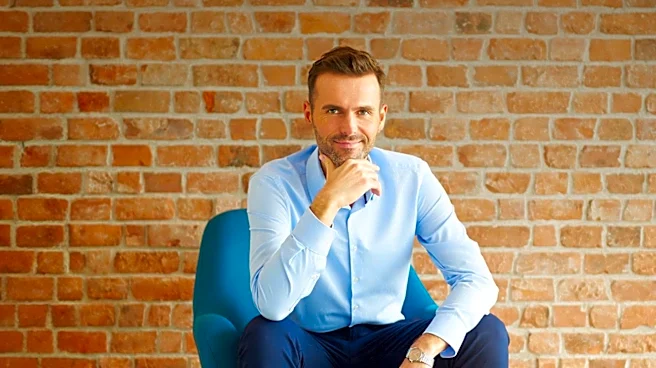
Brian Chesky, the co-founder and CEO of Airbnb, attended the Burning Man festival for the first time in 2013. This detail was shared by Chip Conley, Airbnb’s former head of global hospitality and strategy, during a 2023 episode of The Human Upgrade podcast.
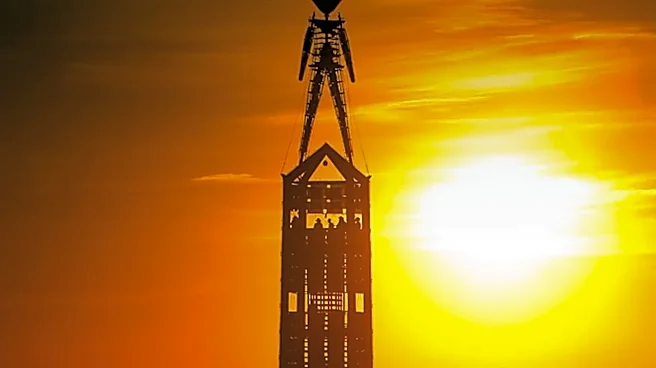
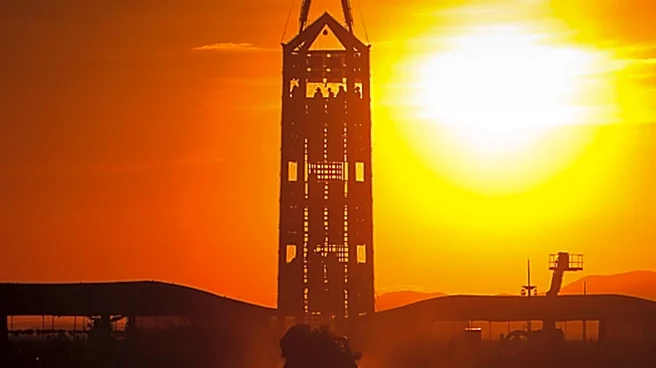
Chesky reportedly described the event by stating, 'Burning Man is what life would be like if artists ruled the world.' His attendance highlights the festival's appeal to prominent figures in the tech industry. Burning Man, an annual event held in Black Rock City, Nevada, has become a gathering point for various billionaires, Hollywood celebrities, and Silicon Valley executives, despite its counter-culture and anti-capitalist roots. Attendees are expected to bring their own provisions and shelter, fostering a unique environment that has attracted a diverse group of participants over the years.
Why It's Important?
The participation of high-profile tech leaders like Brian Chesky in events such as Burning Man underscores a broader cultural trend where figures from the innovation sector engage with alternative communities and experiences. For Airbnb, a company built on the concept of shared experiences and unique accommodations, Chesky's personal engagement with a community-driven event like Burning Man could reflect or reinforce the company's brand identity. It suggests a leadership style that values unconventional thinking and community building, which are core tenets of both the festival and Airbnb's business model. This involvement can also influence public perception, potentially aligning the brand with values of creativity, self-expression, and temporary community, which resonate with a segment of its user base. The presence of tech elites at such events also sparks discussions about the evolving nature of these gatherings, from their original counter-culture ethos to becoming a networking ground for the wealthy.
What's Next?
While Chesky's attendance in 2013 is a past event, the continued presence of tech leaders at Burning Man suggests an ongoing intersection between the tech industry and counter-culture movements. This trend may lead to further integration of innovative ideas from these communities into mainstream business practices, particularly in sectors like hospitality and experience-sharing. For Airbnb, continued engagement with such cultural phenomena, whether directly or through its leadership's personal interests, could inspire future initiatives or marketing strategies that emphasize unique, community-centric experiences. The festival itself may continue to grapple with its identity as it attracts more affluent attendees, potentially leading to further discussions about accessibility, commercialization, and the preservation of its core principles. Future attendance by prominent figures will likely continue to draw media attention and fuel public discourse on these topics.
Beyond the Headlines
The phenomenon of tech billionaires attending Burning Man raises deeper questions about the commodification of counter-culture and the search for authenticity in an increasingly digital world. For leaders like Chesky, these experiences might offer a retreat from corporate pressures and a chance to engage with radical self-expression and community, potentially influencing their leadership philosophies and business strategies. However, the influx of wealth and privilege into an event founded on principles of decommodification and radical self-reliance also highlights socio-economic disparities and the challenges of maintaining original values in the face of mainstream appeal. This dynamic can lead to internal tensions within the Burning Man community and broader societal debates about the impact of wealth on cultural movements. It also reflects a desire among some tech leaders to connect with a sense of purpose and community beyond traditional business metrics, seeking inspiration and personal growth in unconventional settings.