








What's Happening?
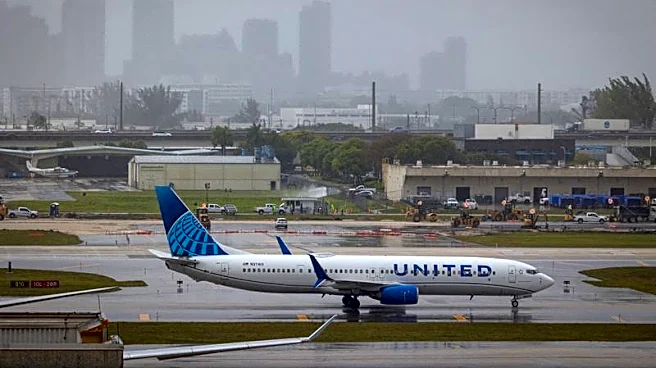
United Airlines has implemented restrictions preventing unauthorized third-party AI agents from accessing its booking systems, including its app, website, and travel agencies/aggregators. This move comes as airlines aim to maintain direct customer relationships,
similar to how online travel sites previously disrupted the industry. United's CEO, Scott Kirby, stated that the airline does not wish to create another middleman. The airline cited several reasons for this decision, including exposed login details, accidental purchases, the potential for agents to misuse MileagePlus miles, and conflicts with aviation requirements. This action by United Airlines highlights a growing tension between traditional service providers and the emerging landscape of AI-driven personal assistants.
Why It's Important?
This development is significant for the U.S. travel industry and the broader adoption of AI agents. For airlines like United, maintaining direct customer relationships is crucial for brand loyalty, data collection, and controlling the customer experience. The rise of AI agents that can log in and make purchases on behalf of users poses a threat to this direct interaction, potentially turning airlines into mere service providers without direct engagement with their customers. This situation mirrors past disruptions caused by online travel agencies. The move also underscores concerns about data security and accountability when AI agents handle sensitive personal information and financial transactions. The airline's stance could influence other industries facing similar challenges from AI automation, prompting them to re-evaluate their policies regarding third-party AI access.
What's Next?
The decision by United Airlines could lead to a broader industry discussion on the role and regulation of AI agents in consumer transactions. Other airlines and service providers may follow suit, implementing similar restrictions to protect their customer relationships and data. Conversely, developers of AI agents may seek to negotiate official partnerships or develop more secure and transparent methods of interaction that address the concerns raised by companies like United. This situation could also spur the development of industry standards or regulatory frameworks for AI agent usage, particularly concerning data privacy, security, and consumer protection. The long-term impact will depend on how both AI developers and traditional businesses adapt to this evolving technological landscape.
Beyond the Headlines
Beyond the immediate operational concerns, United's action touches upon deeper ethical and legal implications surrounding AI autonomy and consumer agency. The airline's concern about 'accidental purchases' or 'agents burning your MileagePlus miles on the wrong flight' raises questions about who is ultimately responsible when an AI agent makes a mistake. Is it the user, the AI developer, or the service provider? This incident highlights the need for clear legal frameworks to define liability and accountability in an AI-driven world. Furthermore, the desire to maintain direct customer relationships speaks to the value of human interaction and brand loyalty in an increasingly automated environment. As AI agents become more sophisticated, the balance between convenience and control, and between automation and human connection, will become a central theme across various sectors.