







What's Happening?
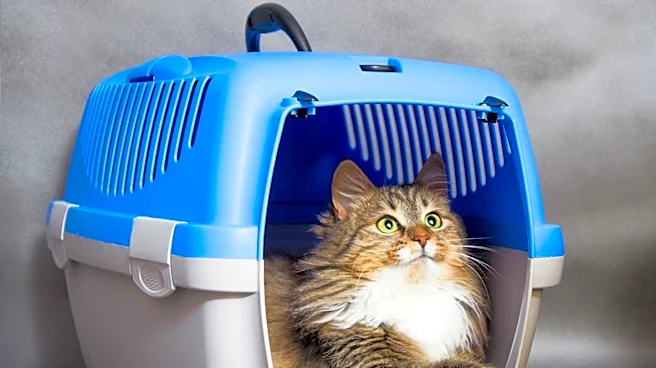
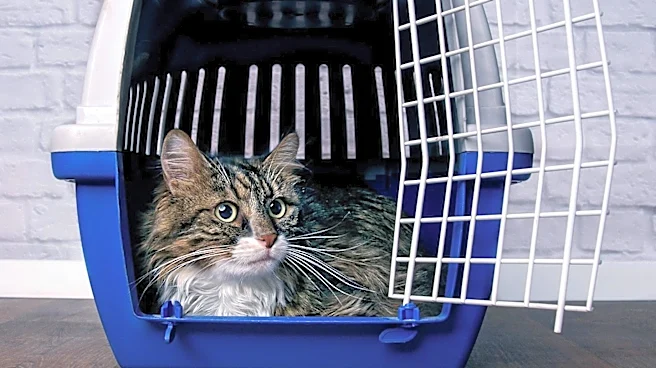
Traveling with cats, whether for veterinary visits, house moves, or longer journeys, requires meticulous preparation to minimize stress for the feline. Experts recommend starting with carrier training by making the carrier a familiar, positive space in the cat's
daily life, rather than an object associated with unpleasant events. Key advice includes selecting a sturdy, well-ventilated carrier large enough for the cat to stand and reposition comfortably, and using one carrier per cat to prevent conflict during travel. Securing the carrier in the vehicle is crucial to prevent driver distraction and potential escape. Maintaining a stable temperature, practicing with short journeys, and packing a comprehensive travel kit with familiar food, water, litter, and veterinary records are also highlighted as essential steps for a smooth trip. Upon arrival, creating a quiet, secure room with familiar items helps the cat acclimate to the new environment.
Why It's Important?
The proper preparation for cat travel is vital for the well-being of the animal and the peace of mind of the owner. Cats are creatures of habit and can experience significant stress when their routines are disrupted or they are placed in unfamiliar environments. Inadequate preparation can lead to anxiety, motion sickness, and behavioral issues, making the journey difficult for both the cat and the owner. By following expert guidelines, owners can significantly reduce their cat's stress levels, ensuring a safer and more comfortable travel experience. This approach also promotes responsible pet ownership, as it prioritizes the animal's health and emotional state during potentially challenging situations. Furthermore, a well-prepared cat is less likely to cause disruptions, contributing to a more pleasant experience for everyone involved in the travel process.
What's Next?
As pet ownership continues to rise, the demand for resources and guidance on safe and stress-free pet travel is expected to grow. Veterinarians and pet behaviorists will likely continue to refine and disseminate best practices for traveling with cats, potentially leading to more specialized products and services designed to ease feline travel anxiety. Owners can anticipate increased availability of cat-specific travel accessories, such as enhanced carriers and calming aids, developed with feline physiology and behavior in mind. The emphasis on gradual acclimation and positive reinforcement will remain central to preparing cats for travel. Additionally, ongoing research into feline stress and behavior may lead to new insights and strategies for making travel an even more manageable experience for cats and their human companions.
Beyond the Headlines
The detailed advice for traveling with cats underscores a deeper understanding of animal psychology and welfare. It highlights the importance of empathy and proactive planning in pet care, moving beyond basic needs to address the emotional and psychological comfort of animals. This approach reflects a growing societal recognition of pets as sentient beings with complex needs. The emphasis on making carriers a positive part of a cat's life, rather than a source of fear, illustrates principles of classical conditioning and positive reinforcement, which are fundamental in animal training and behavior modification. This detailed guidance also serves as a reminder that responsible pet ownership extends to all aspects of a pet's life, including potentially stressful events like travel, fostering a more compassionate relationship between humans and their animal companions.