


What's Happening?
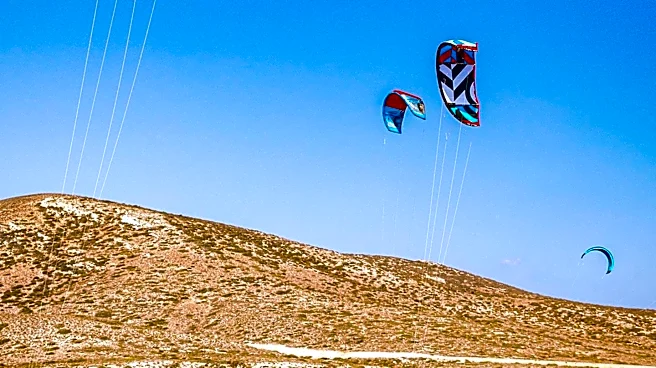
Several prime windsurfing locations across Greece have been identified, catering to various skill levels from beginners to advanced practitioners. Key spots include Rhodes, particularly Prasonisi, known for its diverse conditions with waves on the Aegean
side and a flat lagoon on the Mediterranean side. Karpathos offers strong winds at Devil's Bay and calmer waters at Chicken Bay. Lemnos features Keros beach, suitable for different styles due to varying water conditions. The Cyclades islands of Naxos and Paros are also prominent, with Mikri Vigla in Naxos offering distinct areas for kite and windsurfing, and Pounda in Paros, a former world championship site, experiencing strong meltemi winds. Other notable locations include Vasiliki in Lefkada, known for its thermal winds, and various beaches in Kos, Crete (Kouremenos), Corfu (Halikounas), and Mykonos (Ftelia and Kalafati). These locations are characterized by specific wind patterns, water conditions, and amenities like schools, making them popular destinations for windsurfing.
Why It's Important?
The detailed identification of windsurfing locations in Greece is significant for the tourism and sports industries, particularly for those catering to water sports enthusiasts. By highlighting specific conditions and amenities at each site, it allows for targeted marketing and improved visitor experiences. This information can attract a global audience of windsurfers, boosting local economies through increased demand for accommodations, equipment rentals, lessons, and related services. For businesses operating in these regions, understanding the unique selling points of each spot enables them to tailor their offerings and compete effectively. Furthermore, the mention of varying skill levels at different locations ensures that both novice and experienced windsurfers can find suitable environments, potentially expanding the sport's accessibility and participation. The consistent wind patterns, such as the meltemi, are crucial for the reliability and appeal of these destinations.
What's Next?
With the detailed information on Greek windsurfing spots, the next steps could involve increased promotional efforts by local tourism boards and windsurfing centers to attract international visitors. This might include developing specialized tour packages, organizing windsurfing events or competitions, and enhancing infrastructure at these locations to accommodate a growing number of enthusiasts. Equipment manufacturers and retailers could also see increased demand for their products as more individuals are drawn to these prime locations. Additionally, local businesses may invest in expanding their services, such as offering more advanced training programs, specialized equipment rentals, or guided windsurfing excursions. The continued monitoring of wind patterns and environmental conditions will be essential to maintain the quality and safety of these windsurfing destinations.
Beyond the Headlines
The detailed mapping of windsurfing locations in Greece underscores a broader trend in adventure tourism, where specific natural conditions drive economic activity and cultural exchange. The reliance on natural phenomena like the meltemi wind highlights the delicate balance between human recreation and environmental preservation. As these locations gain popularity, there will be increasing pressure to manage tourist influx sustainably, ensuring that the natural beauty and ecological integrity of these areas are maintained. This also brings into focus the role of local communities in supporting and benefiting from such tourism, potentially leading to the development of specialized skills and services within these regions. The global appeal of windsurfing in Greece could also foster international collaborations in sports development and environmental conservation, promoting a shared appreciation for natural resources and outdoor activities.