
What's Happening?
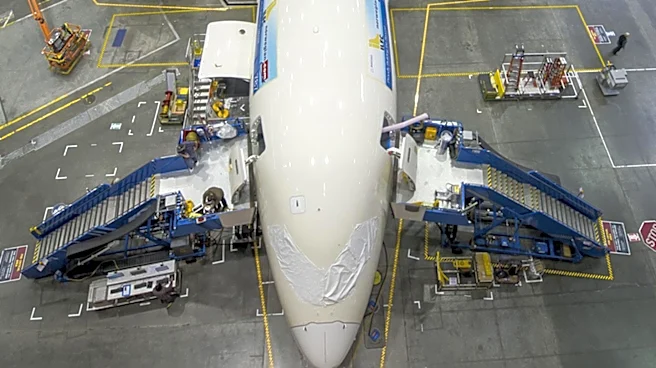
Boeing has entered into a cooperation agreement with Libya to support the establishment of a new national airline. This agreement, signed in Washington, outlines plans for developing a proposed airline fleet,
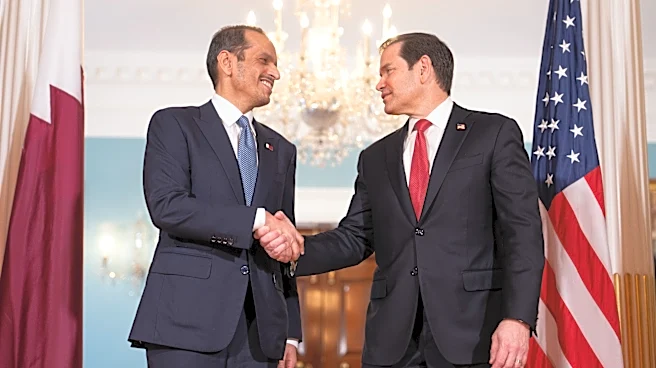
planning domestic and international flight routes, training aviation personnel, and creating a specialized aircraft maintenance center. The initiative is part of broader efforts by Libya's Tripoli-based Government of National Unity to revitalize its aviation industry and strengthen commercial ties with the United States. The signing ceremony included senior Libyan officials, representatives from the National Oil Corporation and the Libyan Investment Authority, as well as American government officials and Boeing executives. Massad Boulos, President Trump’s senior adviser for Arab and African affairs, described the agreement as a significant step towards enhancing Libya’s aviation sector, though it currently remains a framework and not a confirmed aircraft purchase. This development follows several months of discussions between Boeing and Libyan officials, including a strategic cooperation agreement signed in May 2026 covering modern aircraft acquisition and technical support.
Why It's Important?
This agreement is significant for both Boeing and Libya. For Boeing, it represents an opportunity to expand its presence in North Africa, a region where airlines and governments are actively seeking new aircraft, technical services, and aviation infrastructure. Libya, possessing Africa’s largest proven crude oil reserves, is a crucial energy producer, and this partnership could deepen U.S.-Libyan economic cooperation beyond the oil and gas sector. For Libya, the initiative aims to rebuild its aviation industry, which has faced considerable challenges due to prolonged political instability, aging fleets, and maintenance issues affecting its two existing state-owned carriers, Libyan Airlines and Afriqiyah Airways. Boeing's involvement could provide essential technical expertise, helping Libya develop a carrier capable of operating both domestic and international routes and potentially improving its connectivity. The agreement also signals a move towards broader economic relations between Washington and Tripoli, reflecting a strategic interest in fostering stability and development in the region.
What's Next?
While the agreement is currently a cooperation framework, the next steps involve translating this arrangement into a formal commercial agreement, which would include confirmed aircraft purchases and detailed operational plans. The Libyan government has yet to disclose specifics such as the proposed airline’s name, fleet size, aircraft types, investment value, or expected launch date. Further discussions will likely focus on these commercial aspects and financing arrangements. Additionally, the establishment of a new airline raises questions about the future of Libya's existing state-owned carriers and how the government intends to restructure the aviation sector. The country also faces ongoing European aviation restrictions due to concerns about its safety oversight system, meaning a new airline would not automatically remove these regulatory obstacles for access to European markets. The success of this initiative will depend on overcoming these operational and regulatory hurdles and securing the necessary investments.
Beyond the Headlines
The cooperation agreement between Boeing and Libya extends beyond mere commercial aviation, touching upon deeper geopolitical and economic implications. It forms part of a wider U.S.-Libya economic cooperation, which also includes a separate framework for critical minerals, aimed at supporting geological exploration, resource assessment, and investment opportunities. This dual approach suggests a strategic effort by the United States to broaden its influence and foster economic stability in Libya, a country vital for global energy supplies. The move to rebuild Libya's aviation sector, despite its existing carriers' struggles and ongoing political instability, highlights a long-term vision for national development and international integration. The involvement of President Trump’s senior adviser underscores the political backing for these initiatives, indicating a commitment to strengthening ties and potentially leveraging economic partnerships to promote regional stability. The success of such ventures could serve as a model for future collaborations in post-conflict regions, demonstrating how strategic economic partnerships can contribute to recovery and growth.