




What's Happening?
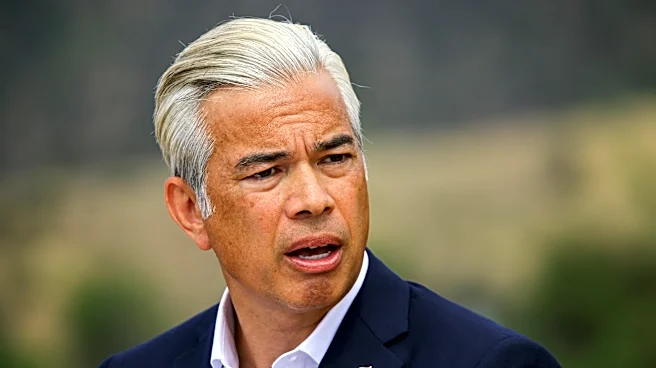
California Attorney General Rob Bonta canceled a scheduled meeting with Paramount regarding its proposed merger with Warner Bros. Discovery (WBD). Bonta cited a 'lack of good faith' from Paramount, stating that the company leaked and misrepresented the substance
of earlier settlement discussions. The meeting was intended to discuss the antitrust lawsuit Bonta is leading, alongside 11 other state attorneys general, to block the $110 billion merger. Paramount, in response, stated it assured the Attorney General's office that it was not the source of the leaks and expressed hope for continued good-faith discussions to resolve the suit. A spokesperson for WBD declined to comment. The lawsuit alleges that the merger would create a media giant controlling a significant portion of film and basic TV programming, thereby reducing competition.
Why It's Important?
This development is significant for the media industry and antitrust enforcement in the U.S. The cancellation of settlement talks indicates a hardening stance from state attorneys general against large-scale corporate mergers, particularly in sectors with high market concentration. If the merger is blocked, it could set a precedent for future antitrust challenges in the entertainment and media landscape, potentially influencing how major companies approach consolidation. For consumers, the outcome could impact content diversity, pricing, and access to programming. For Paramount and WBD, the ongoing legal battle introduces uncertainty and delays, potentially affecting their strategic plans and market valuations. The dispute also highlights the increasing scrutiny regulatory bodies are placing on mergers that could lead to reduced competition and consumer choice.
What's Next?
With settlement talks stalled, the antitrust case against the Paramount-WBD merger is expected to proceed to trial, which is currently scheduled for March. Paramount has already agreed to delay the closing of the deal until as late as June 2027, indicating the company is preparing for a prolonged legal battle. The California Attorney General's office has stated it is ready to meet again once Paramount demonstrates a sincere willingness to engage, suggesting the door for future negotiations is not entirely closed, but robust structural remedies would be required for a resolution. The outcome of the trial will determine the future of the proposed $110 billion merger and could have significant implications for the competitive landscape of the U.S. entertainment industry.
Beyond the Headlines
The dispute extends beyond a typical corporate merger challenge, touching upon broader issues of media consolidation and its potential impact on cultural output and public discourse. The argument that the merger would create a media giant controlling a substantial portion of programming raises questions about the concentration of power in content creation and distribution. This could lead to concerns about editorial control, diversity of voices, and the potential for a few dominant players to shape narratives. The case also underscores the evolving role of state attorneys general in antitrust enforcement, demonstrating their willingness to challenge federal regulatory decisions or act independently to protect consumer interests and market competition. The outcome could influence future regulatory approaches to mergers in other industries, particularly those with significant public impact.