




What's Happening?
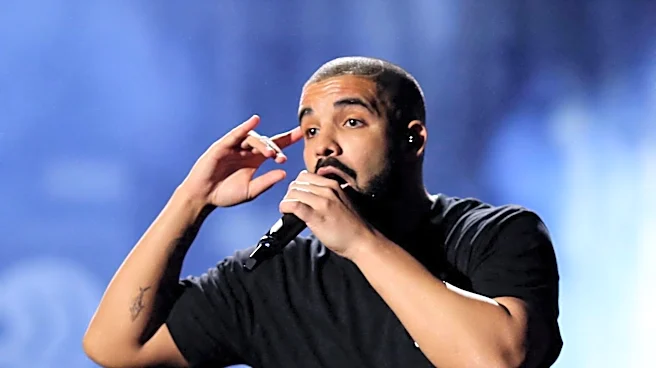
Drake has publicly criticized the music industry following Billboard's announcement that YouTube streams will be reinstated into its music charts starting in 2027. The rapper expressed his dismay on Instagram, resharing an article about the update and
commenting, 'Wtf this game so cooked,' accompanied by a shocked-face emoji. This reaction comes after a dispute between YouTube and Billboard, which began in late 2025 when YouTube ceased sharing its data from January 2026. The core of the disagreement was Billboard's methodology, which prioritized paid subscriptions over free, ad-supported streams like those on YouTube. Both parties have now agreed on a new system, with YouTube's Global Head of Music, Lyor Cohen, confirming the return to Billboard charts in 2027, stating the new methodology better reflects fan engagement across all service types.
Why It's Important?
Drake's strong reaction highlights ongoing tensions within the music industry regarding how music consumption is measured and valued. His comment, 'This game so cooked,' suggests a deeper frustration with what he perceives as systemic issues or unfair practices in chart methodologies. The dispute between YouTube and Billboard, and its resolution, is significant because it directly impacts how artists' success is quantified and recognized. The previous system, which de-emphasized free streams, potentially undervalued artists with strong fan bases on ad-supported platforms. The return of YouTube data with a revised methodology aims to provide a more comprehensive and equitable representation of music consumption, which could shift chart rankings and influence industry investments and artist promotion strategies.
What's Next?
The reinstatement of YouTube streams to Billboard charts in 2027 will likely lead to a re-evaluation of chart performance metrics across the music industry. Artists, labels, and streaming platforms will need to adapt their strategies to account for the updated methodology, which aims to better reflect diverse consumption habits. Drake's public criticism may spark further debate among artists and industry stakeholders about the fairness and accuracy of chart systems. It could also prompt Billboard to engage in more transparent communication regarding its methodologies to address artist concerns. The long-term impact could be a more inclusive and representative charting system that acknowledges the full spectrum of how fans engage with music.
Beyond the Headlines
Drake's critique extends beyond a simple disagreement over chart rules; it touches upon the broader power dynamics and economic models within the music industry. His use of 'cooked' implies a sense of disillusionment with what he might see as a rigged or manipulated system. This sentiment resonates with ongoing discussions about artist compensation, the influence of streaming giants, and the transparency of industry metrics. The debate over paid versus free streams also reflects a fundamental tension between different business models in music consumption. This development could fuel calls for greater artist advocacy and collective action to ensure that industry practices genuinely serve the interests of creators and accurately reflect their impact and reach.