





What's Happening?
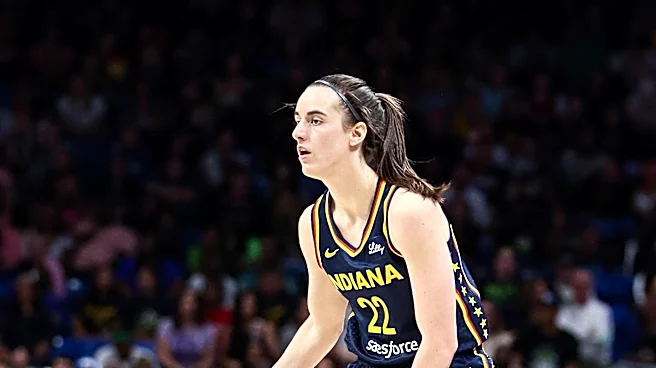
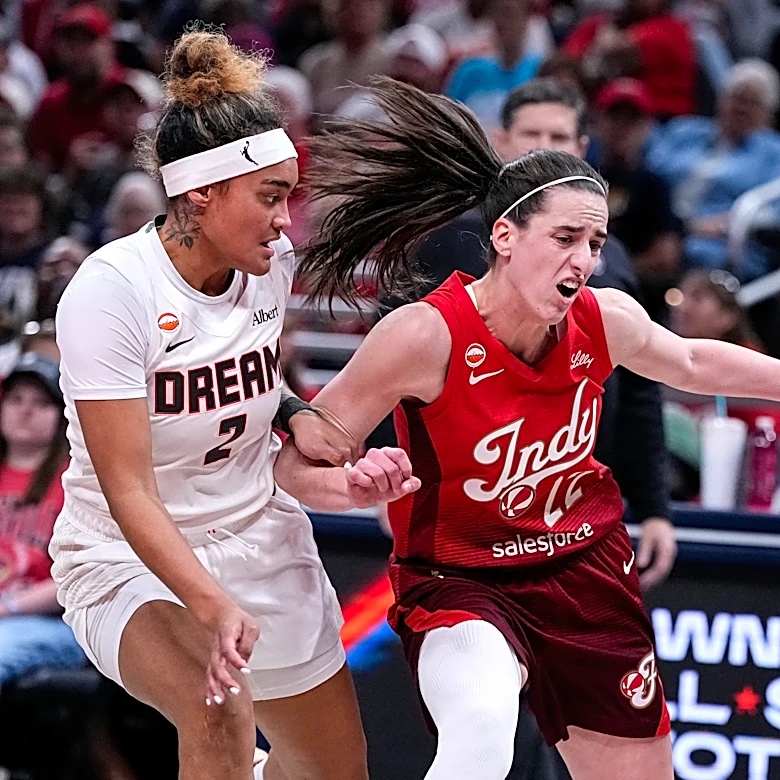
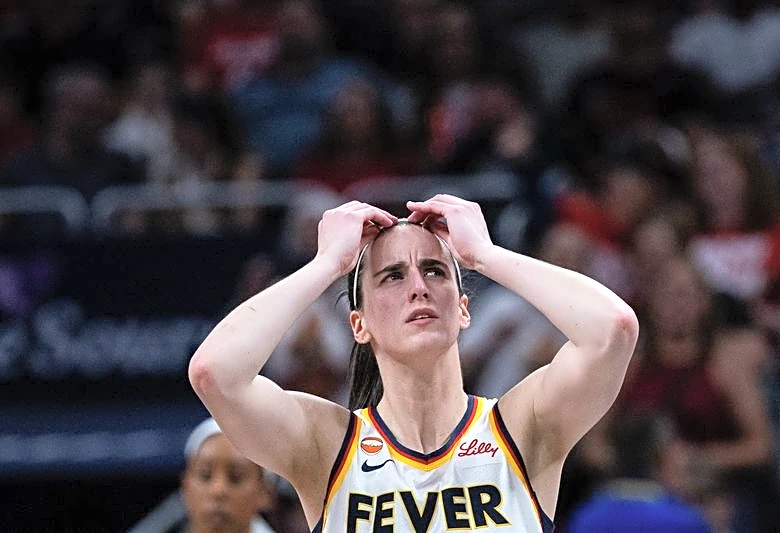
Sophie Cunningham, a player for the Indiana Fever, has publicly criticized the WNBA for omitting Caitlin Clark from the league's 30th anniversary poster. Cunningham expressed her views on her podcast, 'Show Me Something,' stating that the league missed
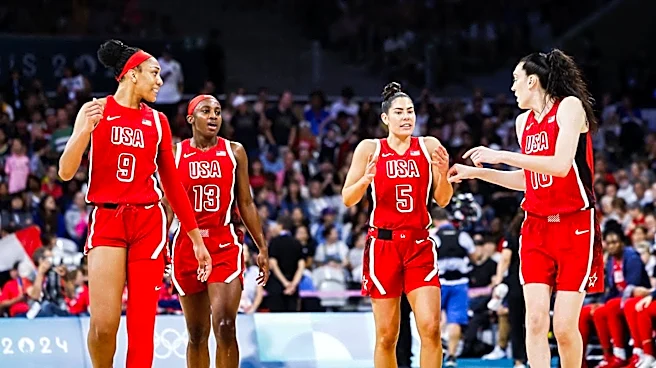
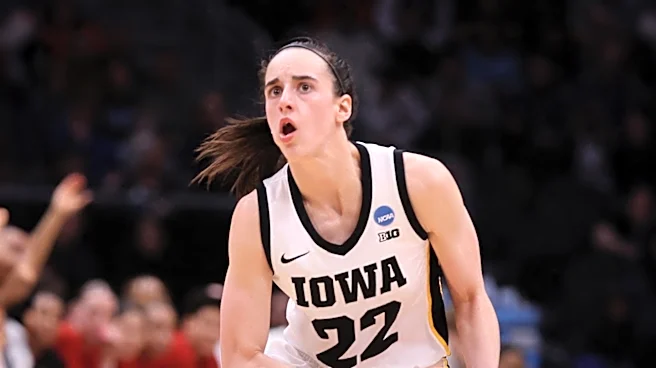
a significant marketing opportunity by not including Clark, who is a major draw for the WNBA. Clark's absence from the poster has sparked debate, with Cunningham highlighting that Clark's presence could have boosted the league's promotional efforts. The omission is reportedly due to Clark's licensing agreement, which restricts the use of her likeness, except by Nike. Despite this explanation, the decision has not been well-received by fans, who also questioned why other popular players like Kelsey Mitchell or Aliyah Boston were not featured.
Why It's Important?
The controversy surrounding Caitlin Clark's exclusion from the WNBA's anniversary poster underscores the complexities of athlete marketing and licensing agreements. Clark is a significant figure in the WNBA, driving high television ratings and merchandise sales. Her absence from the promotional material could impact the league's ability to capitalize on her popularity. This situation highlights the challenges sports leagues face in balancing business agreements with marketing strategies. The debate also reflects broader issues within the WNBA regarding player representation and marketing, as fans and players alike call for better promotion of the league's stars.
What's Next?
The WNBA has not yet publicly addressed the reasons behind the selection of players for the anniversary poster. As the discussion continues, the league may face pressure to clarify its marketing strategies and address fan concerns. The ongoing debate could lead to changes in how the WNBA approaches player promotion and licensing agreements in the future. Stakeholders, including players and sponsors, may push for more inclusive and strategic marketing efforts to enhance the league's visibility and appeal.