






What's Happening?
Scandinavian minimalism, a distinct interior design style, prioritizes warmth and comfort within a pared-back aesthetic. Unlike generic minimalism, which can result in a bare or cool room, Scandinavian design focuses on creating spaces that feel soft
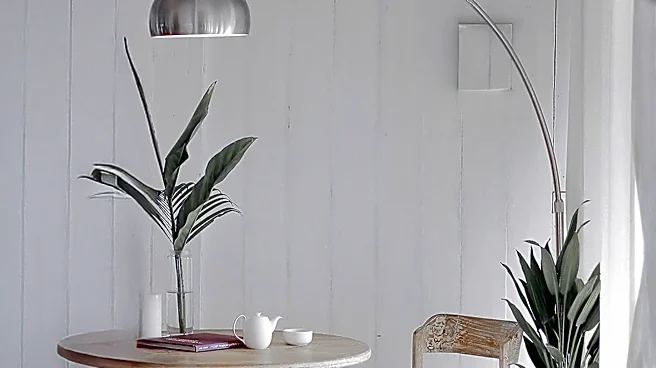
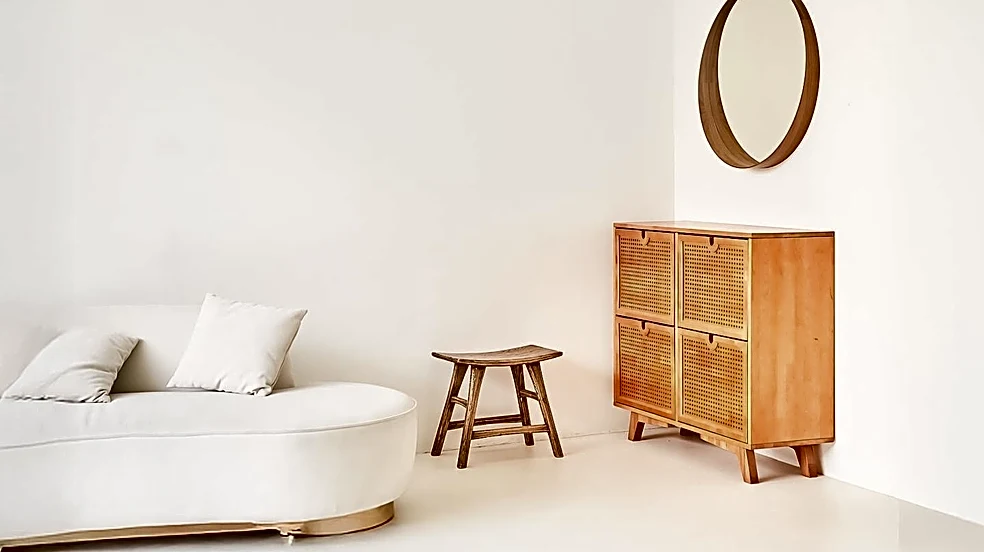
and inviting. This approach originated from the necessity of long winters and limited daylight in countries like Norway, Sweden, Denmark, and Finland, leading to the use of light colors to reflect available sunlight and materials that retain warmth without visual clutter. The style is characterized by a light, neutral palette, natural pale woods, and a strong emphasis on function over excessive decoration. Texture plays a crucial role, with materials like wool, linen, and deep-pile fabrics providing visual interest and comfort. Deliberate negative space is also a key element, treating empty wall and floor areas as integral parts of the design rather than spaces to be filled.
Why It's Important?
This design philosophy offers a significant alternative to purely aesthetic minimalist trends, demonstrating that simplicity does not have to sacrifice comfort. For consumers and designers in the U.S., understanding Scandinavian minimalism provides valuable insights into creating functional yet cozy living environments, particularly relevant in regions with colder climates or those seeking a serene home atmosphere. The emphasis on natural materials and light colors can also influence sustainable design practices, promoting the use of durable and environmentally friendly elements. Furthermore, the focus on layering textures rather than accumulating decorative items can lead to more mindful consumption and a reduction in clutter, aligning with broader trends towards simplified living and well-being. This approach can impact the furniture, textile, and home goods industries by driving demand for specific types of products that align with these principles.
What's Next?
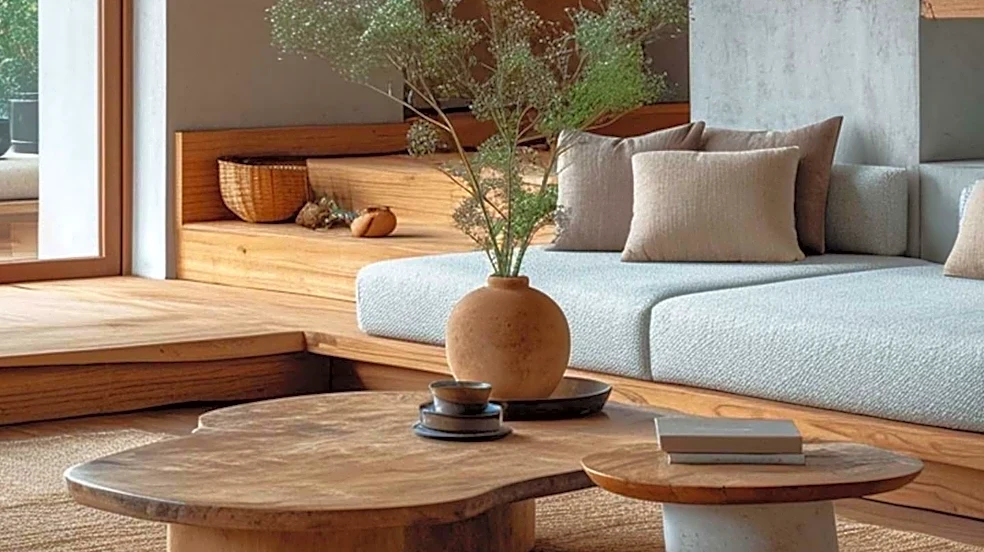
The continued popularity of Scandinavian minimalism is likely to influence future interior design trends, potentially leading to an increased demand for natural wood furniture, high-quality textiles, and neutral color palettes in the U.S. market. Designers may further explore variations like 'Japandi,' which combines Japanese minimalism with Scandinavian warmth, incorporating lower furniture, darker accent woods, and an even stricter limit on visible items. Manufacturers of home goods and furniture will likely continue to innovate in creating products that embody the core tenets of this style, focusing on both aesthetic appeal and tactile comfort. Educational resources and design platforms will continue to highlight the practical application of these principles, guiding consumers and professionals in creating spaces that are both visually appealing and genuinely comfortable.
Beyond the Headlines
The enduring appeal of Scandinavian minimalism extends beyond mere aesthetics, reflecting a cultural value placed on hygge—a Danish and Norwegian word for a mood of coziness and comfortable conviviality with feelings of wellness and contentment. This cultural dimension suggests a deeper societal yearning for simplicity, comfort, and a connection to nature in an increasingly complex world. The style's focus on functionality and durability also speaks to a growing consciousness about consumption and sustainability, encouraging investment in fewer, higher-quality items. Ethically, it promotes a less materialistic approach to home decor, prioritizing well-being and a sense of calm over ostentatious display. This cultural and ethical underpinning contributes to its lasting influence and its potential to shape broader lifestyle choices in the U.S., moving beyond transient design fads.