






What's Happening?
An anti-inflammatory diet is a dietary approach that prioritizes foods rich in fiber, vitamins, minerals, antioxidants, and healthy fats. This eating pattern is not a strict meal plan but rather a way of eating that aligns with well-studied dietary patterns
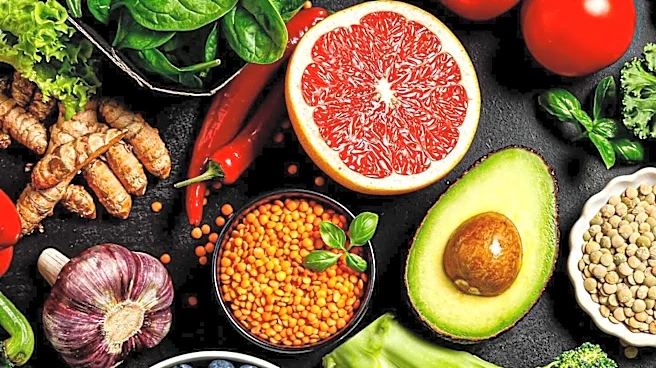
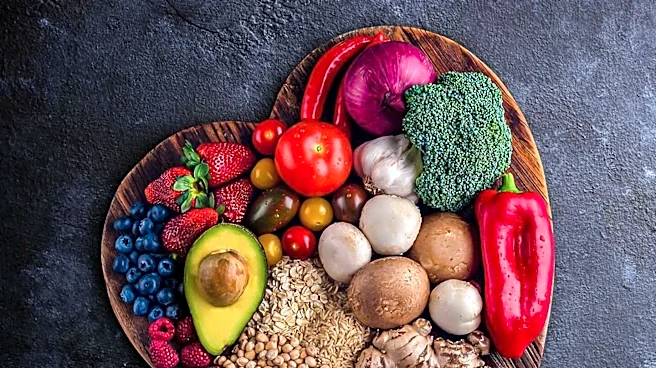
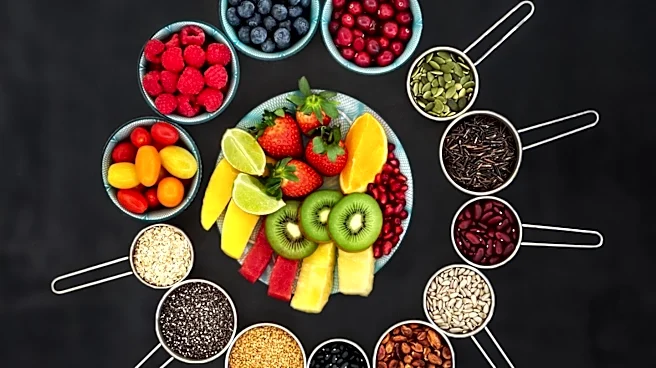
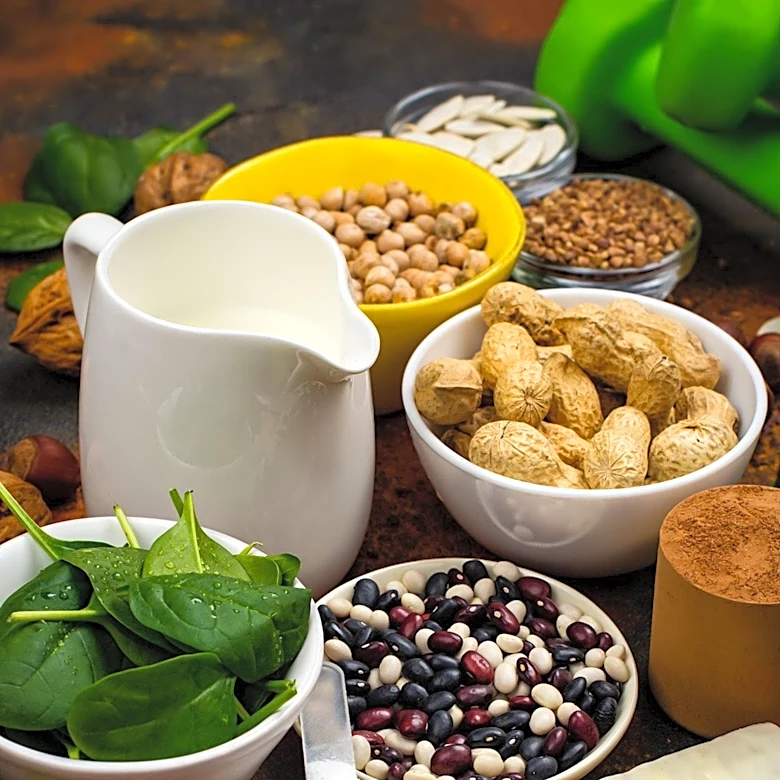
like the Mediterranean diet and the DASH plan. Key components include vegetables, fruits, whole grains, legumes, fish, nuts, and olive oil. The diet aims to support overall health and can be particularly beneficial for individuals like cancer survivors, as it helps address nutritional needs and overall well-being after treatments that can affect appetite, metabolism, and muscle mass. While there is no single official 'anti-inflammatory diet,' the focus is on whole, minimally processed foods to promote healthier immune function and reduce chronic inflammation. Foods commonly cited as anti-inflammatory include tomatoes, leafy greens, fatty fish such as salmon, and various fruits.
Why It's Important?
This dietary approach is important because chronic inflammation is recognized as a root cause for numerous serious health conditions, including heart disease, diabetes, autoimmune disorders, and neurodegenerative diseases. For cancer survivors, adopting an anti-inflammatory diet can be a valuable part of their recovery journey, helping to manage post-treatment effects such as fatigue, digestive issues, and weight changes. By focusing on nutrient-rich foods, individuals can support their body's healing processes and potentially reduce the risk of other chronic diseases. The emphasis on whole foods over processed items also promotes a balanced intake of essential nutrients, contributing to long-term health outcomes and improved quality of life. This dietary strategy offers a proactive way to manage health through nutrition, moving beyond direct disease treatment to foster overall resilience and well-being.
What's Next?
Individuals interested in adopting an anti-inflammatory diet can begin by incorporating more vegetables, fruits, whole grains, healthy fats, and quality protein sources into their daily meals. This involves making sustainable eating habits that fit personal health goals and lifestyle needs. Consulting healthcare professionals or registered dietitians can provide personalized guidance, especially for those with specific health conditions like cancer survivorship. Further research into the specific mechanisms and long-term benefits of various anti-inflammatory foods and dietary patterns is ongoing. The continued study of whole eating patterns, rather than single foods, will likely refine recommendations and provide more evidence-based strategies for managing inflammation through diet.
Beyond the Headlines
The concept of an anti-inflammatory diet extends beyond mere food choices, highlighting a broader shift towards holistic health management. It underscores the interconnectedness of diet, lifestyle, and chronic disease, suggesting that what we eat profoundly impacts our body's inflammatory responses. This approach challenges the conventional focus on treating symptoms by instead addressing underlying systemic issues through nutrition. The emphasis on whole, unprocessed foods also has environmental implications, promoting sustainable food systems and reducing reliance on industrially produced items. Furthermore, the diet's alignment with patterns like the Mediterranean diet suggests a cultural dimension, encouraging a return to traditional eating habits that have historically been associated with better health outcomes. This dietary philosophy promotes a proactive and preventative approach to health, empowering individuals to take greater control over their well-being through informed food choices.