





What's Happening?
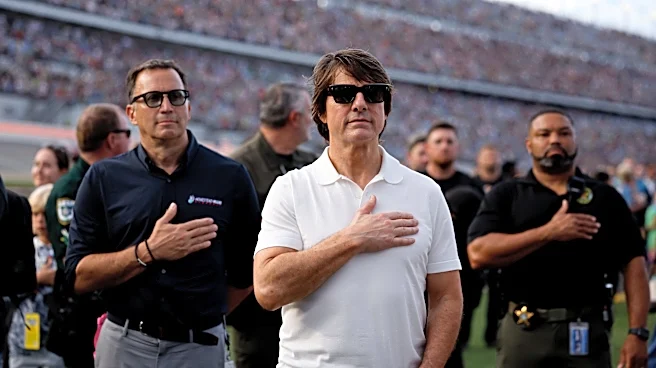
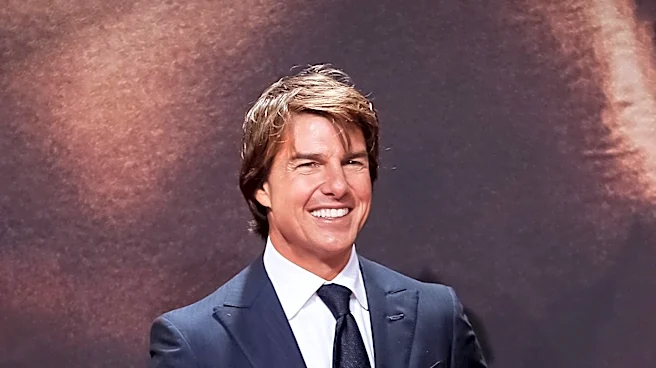
Tom Cruise reportedly experienced significant panic and sought advice from his biographer and friend, J. Randy Taraborrelli, in 2007, upon learning that Andrew Morton was writing an unauthorized biography about him. Taraborrelli recounted that Cruise called
him numerous times, appearing 'rattled' and pacing, expressing concern about Morton's tell-all book. At the time, Cruise was married to Katie Holmes, whom Taraborrelli met during a visit to Cruise's Beverly Hills estate to discuss the matter. Taraborrelli advised Cruise to 'let it happen' as he couldn't control the publication. Morton, known for his best-selling biographies on public figures like Princess Diana and Meghan Markle, later confirmed in a 2008 interview with Page Six that Cruise's lawyer sent him a 'hostile letter' regarding the book. Morton acknowledged the standard legal challenges associated with investigating Cruise, whose legal team and Scientologist affiliations are known for their litigious nature.
Why It's Important?
This event highlights the intense scrutiny and public relations challenges faced by high-profile celebrities, particularly concerning unauthorized biographies. For figures like Tom Cruise, who maintain a carefully curated public image, such books can be perceived as a significant threat to their personal and professional brand. The incident underscores the power dynamics between celebrities and the media, where attempts to control narratives often clash with journalistic pursuits of independent reporting. The involvement of legal teams and the 'hostile letters' mentioned by Morton illustrate the aggressive tactics sometimes employed to deter or influence biographical publications. This situation also sheds light on the psychological impact of such public exposure on individuals, as evidenced by Cruise's reported 'panic' and 'rattled' state, demonstrating the personal toll of living under constant public and media observation.
What's Next?
While the specific incident regarding Morton's 2008 biography is in the past, the broader implications for celebrity privacy and media scrutiny continue to evolve. Celebrities and their legal teams will likely continue to employ various strategies, including legal challenges and public relations campaigns, to manage their public image and control narratives. Biographers and journalists, in turn, will persist in their efforts to publish independent accounts, often navigating legal threats and public pressure. The ongoing tension between the right to privacy and the public's interest in celebrity lives suggests that similar situations will arise in the future, prompting continued debates about the boundaries of biographical reporting and the legal protections available to public figures. The incident also serves as a historical case study for how celebrities have reacted to and managed unauthorized publications.
Beyond the Headlines
The episode delves into the ethical considerations surrounding unauthorized biographies and the right to privacy for public figures. While celebrities often benefit from public attention, the line between public interest and personal intrusion becomes blurred when intimate details or potentially damaging information is revealed without their consent. This raises questions about the extent to which a public figure's life is truly 'public domain' and the responsibilities of biographers to verify information and consider the impact of their work. The mention of Cruise's connection to Scientology in Morton's book further complicates the narrative, touching upon issues of religious freedom, public perception, and the scrutiny faced by controversial organizations. The incident also reflects a broader cultural fascination with celebrity lives, where unauthorized accounts often gain significant public attention, regardless of the subject's wishes.