








What's Happening?
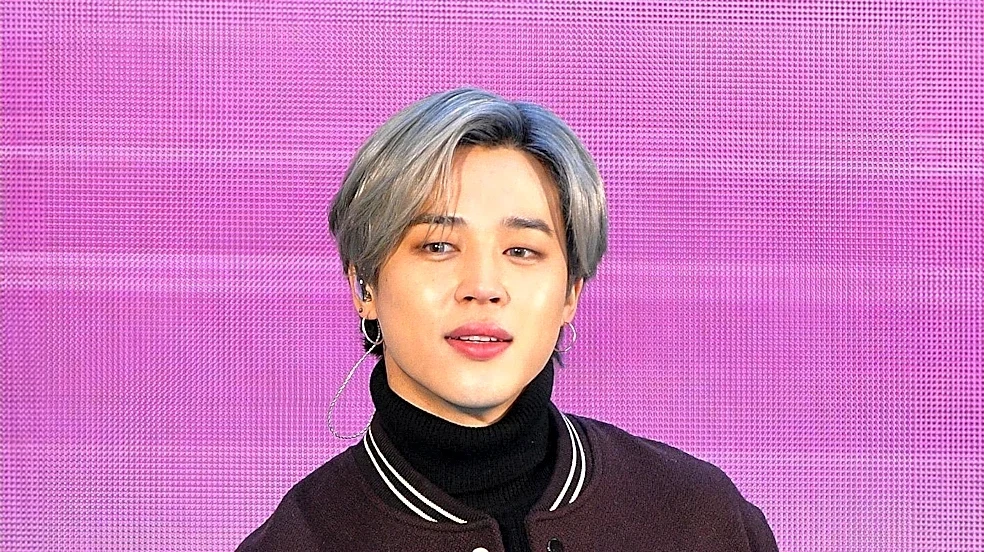
The Korean Business Research Institute has released its monthly analysis of male K-pop idol brand reputation for October. The rankings, based on data from 755 male members between September 17 and October 17, show BTS members Jimin and Jungkook securing
the top two spots. Jimin maintained his number one position with a brand reputation index exceeding 4.8 million, marking a 23 percent increase from the previous month. This surge is attributed to his birthday in October, with associated keywords including 'ARMY,' 'October 13,' and 'birthday,' and a positive sentiment rate of nearly 95 percent. Jungkook followed in second place with a 9 percent growth. ATEEZ's San made a significant impact, claiming the third position with an index close to 3 million, highlighting the group's growing international success. The top five was rounded out by Jin and V of BTS, further solidifying the group's continued dominance in the industry. The rankings also featured veteran idols like G-Dragon and Taeyang of BIGBANG, Minho and Key of SHINee, and Kim Heechul of Super Junior, demonstrating the potential for longevity in K-pop.
Why It's Important?
These brand reputation rankings are crucial indicators of current trends, fan engagement, and the evolving landscape of South Korean culture within the global entertainment industry. The consistent high placement of BTS members, particularly Jimin and Jungkook, underscores their immense influence and dedicated global fanbase, which translates into significant economic power through merchandise sales, endorsements, and concert attendance. The rise of groups like ATEEZ, with San securing a top-three spot, signifies the diversification and expansion of K-pop's global reach beyond established acts, opening new markets and fan demographics. The inclusion of veteran idols alongside newer talents illustrates the industry's capacity for sustained careers and multi-generational appeal. This data provides valuable insights for entertainment agencies, brands, and investors looking to understand consumer sentiment and identify key influencers in the rapidly growing K-pop market, impacting marketing strategies, collaboration opportunities, and talent development.
What's Next?
The continuous monitoring of these brand reputation rankings will likely influence future marketing campaigns, brand collaborations, and content creation within the K-pop industry. Agencies will continue to leverage the popularity of top-ranked idols for endorsements and promotional activities, aiming to maximize their artists' commercial value. The strong performance of newer groups like ATEEZ suggests a potential shift in market focus, with more investment and promotional efforts directed towards emerging talents to cultivate the next generation of global K-pop stars. Fans can anticipate continued engagement through social media discussions, fan events, and the release of new music and content from their favorite idols. The industry will also likely explore new avenues for fan interaction and merchandise, adapting to evolving consumption patterns and maintaining the high level of community engagement reflected in these rankings.
Beyond the Headlines
The brand reputation rankings extend beyond mere popularity, reflecting deeper cultural and economic phenomena. The 'idol-actor' trend, where K-pop stars excel in both music and acting, highlights a strategic diversification of talent within entertainment agencies, creating multi-faceted artists who appeal to broader audiences and generate multiple revenue streams. This cross-media success, often termed an 'ordinary jackpot,' has become a standard for ensuring the success of transmedia projects, influencing television dramas and attracting new viewers to K-pop. Furthermore, the artists' role as fashion icons significantly impacts global fashion trends, with every public appearance scrutinized by style enthusiasts and leading to collaborations with international brands. This cultural influence, from fashion to entertainment, demonstrates K-pop's profound impact on global lifestyle and consumer behavior, transforming idols into powerful cultural ambassadors and economic drivers.