






What's Happening?
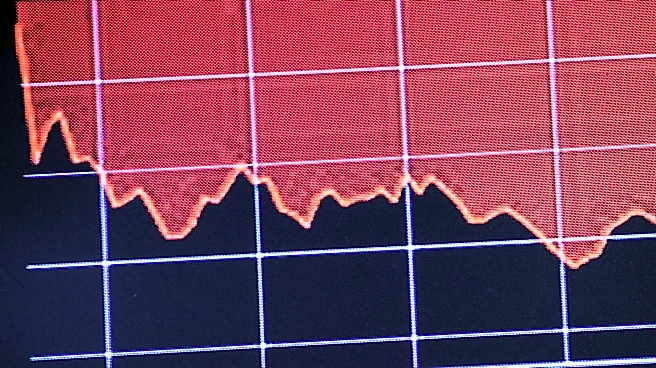
U.S. stock markets experienced a significant plunge, with the tech-heavy Nasdaq Composite erasing all of its gains for 2026. Concurrently, both the S&P 500 and the Dow Jones Industrial Average entered correction territory, signifying a decline of 10%
from their recent peaks. This widespread market downturn reflects a period of heightened investor concern and volatility across major indices. The rapid reversal of earlier gains in the Nasdaq, coupled with the broader market correction, indicates a shift in investor sentiment and potentially a reassessment of economic outlooks. The specific triggers for this plunge were not detailed in the source, but the overall market movement suggests a significant reaction to prevailing economic conditions or future expectations.
Why It's Important?
The plunge in stock markets, particularly the Nasdaq erasing its yearly gains and the S&P 500 and Dow entering correction territory, has significant implications for the U.S. economy and individual investors. A market correction can erode wealth, impact retirement savings, and reduce consumer confidence, potentially leading to decreased spending and investment. For businesses, a downturn can affect access to capital and overall market valuations. The tech sector, heavily represented in the Nasdaq, often leads market trends, so its sharp decline could signal broader economic headwinds. This market movement can also influence monetary policy decisions by the Federal Reserve, as policymakers monitor market stability and economic indicators. The event underscores the inherent volatility of financial markets and the importance of understanding broader economic trends.