
What's Happening?
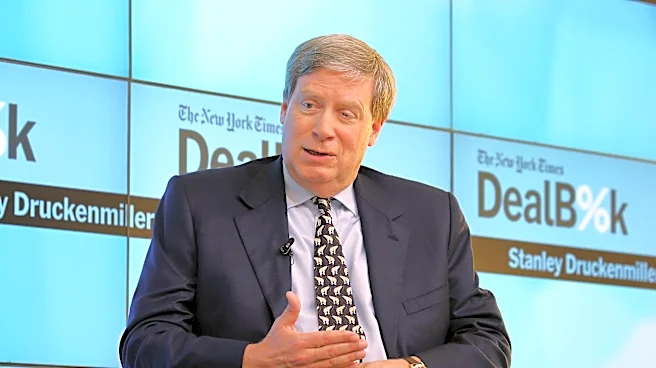
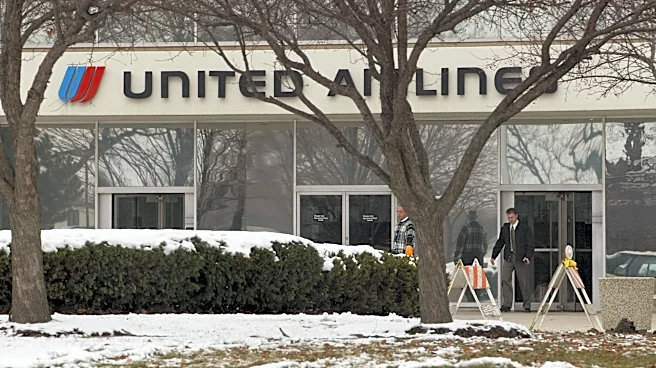
United Airlines Holdings (UAL) has recently faced significant institutional selling, with notable divestments from high-profile investors such as Stanley Druckenmiller and the Duquesne Family Office. This
selling activity has coincided with increased share price volatility for UAL and a noticeable shift in short-term market sentiment towards the airline. The reduced exposure from these prominent investors is drawing attention to how United Airlines is perceived within the broader aviation sector. This large-scale selling by Druckenmiller and Duquesne is reframing the narrative around United Airlines, particularly as it navigates challenges like thin margins, fuel price fluctuations, and substantial debt, while simultaneously relying on premium demand, loyalty growth, and its 'United Next' fleet plan for future success. The exits by these major holders during a period of volatility underscore the sensitivity of investor confidence to these risks and to any delays in translating investments into tangible earnings and cash flow improvements.
Why It's Important?
The institutional selling in United Airlines Holdings is important because it signals a potential shift in investor confidence regarding one of the largest U.S.-based passenger and cargo networks. When high-profile investors like Stanley Druckenmiller reduce their stakes, it can influence broader market perceptions and potentially trigger further selling by other institutional and retail investors. This development highlights the inherent risks within the aviation sector, particularly for companies like UAL that are balancing ambitious growth plans with operational challenges such as fluctuating fuel costs and significant debt. A decline in investor sentiment could make it more difficult for United Airlines to secure future financing or maintain its stock valuation, impacting its ability to execute strategic initiatives like the 'United Next' fleet plan. Conversely, if the company can demonstrate strong performance in its upcoming quarterly reports, it might regain investor trust and stabilize its market position.
What's Next?
The immediate focus for United Airlines Holdings and its investors will be the upcoming quarterly financial reports. These reports are expected to provide crucial updates on key metrics, including pretax margins, which currently stand at 4.8%, fuel costs, and progress on loyalty and premium revenue. These indicators are vital for assessing the airline's ability to improve returns and validate its long-term growth strategy. The company's performance in these areas will be closely scrutinized to determine if its investments are translating into visible earnings and cash flow progress. The market will be watching for any signs that United Airlines can effectively offset the challenges of thin margins, fuel price volatility, and debt with its strategies centered on premium demand and loyalty growth. Positive results could help restore investor confidence, while unfavorable outcomes might exacerbate existing market pressures.
Beyond the Headlines
The institutional selling in United Airlines Holdings by prominent investors like Stanley Druckenmiller extends beyond immediate stock price fluctuations, touching upon deeper implications for the airline industry and investment strategies. This move highlights the ongoing tension between long-term strategic visions, such as UAL's 'United Next' plan, and the short-term sensitivities of market sentiment driven by macroeconomic factors and operational risks. It underscores how even well-articulated growth strategies can be vulnerable to shifts in investor confidence, particularly in capital-intensive sectors like aviation. The exits by these major holders could also prompt a re-evaluation of risk tolerance among other institutional investors, potentially leading to a broader reassessment of aviation-related stocks. This situation serves as a reminder that while fundamental data is crucial, the 'sentiment signal' from influential investors can significantly impact a company's market trajectory, influencing its ability to attract capital and execute its strategic objectives.