







What's Happening?
Registered dietitians are emphasizing the combined benefits of protein and fiber in meals for improved satiety, stable blood sugar levels, and overall health. This nutritional strategy involves intentionally pairing these two macronutrients in daily meals and snacks.
Protein contributes to feelings of fullness by triggering hormones that signal satiety and digesting more slowly than refined carbohydrates. Fiber, particularly soluble fiber found in foods like oats, beans, apples, and chia seeds, slows sugar absorption into the bloodstream and forms a gel in the digestive tract, delaying stomach emptying. When consumed together, protein and fiber work synergistically to extend feelings of fullness, prevent rapid blood sugar spikes, and provide a sustained energy source throughout the day. This approach is presented as a practical framework applicable to all meals, aiming to address common dietary gaps where many individuals do not consume adequate amounts of fiber or distribute protein effectively across their day.
Why It's Important?
The intentional pairing of protein and fiber holds significant importance for public health, addressing prevalent issues such as managing hunger, stabilizing blood sugar, and supporting gut health. Many Americans struggle with consuming sufficient fiber, with fewer than one in ten adults meeting recommended daily targets. This deficiency can impact gut microbiome diversity and increase the risk of chronic diseases like heart disease, type 2 diabetes, and colorectal cancer. By promoting protein and fiber combinations, this dietary strategy offers a practical way to bridge these nutritional gaps. It helps individuals feel fuller for longer, potentially reducing overeating and unhealthy snacking, which can contribute to weight management and better metabolic health. Furthermore, fiber feeds beneficial gut bacteria, producing short-chain fatty acids that nourish gut lining cells and support immune function, thereby contributing to long-term disease prevention. This approach also helps in smoothing out blood sugar swings, which is crucial for individuals managing or at risk of diabetes.
What's Next?
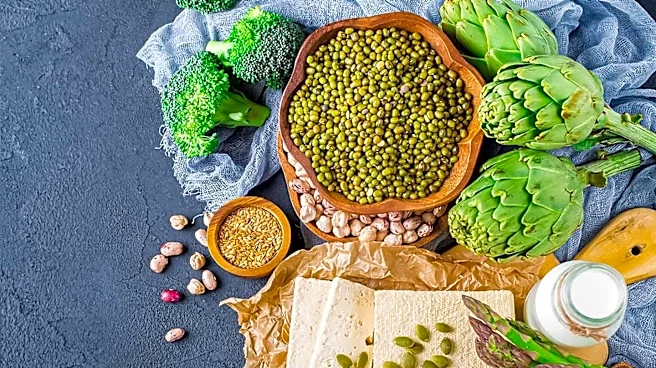
To implement this strategy, individuals are encouraged to audit their current eating habits and gradually incorporate more protein and fiber into each meal and snack. Practical suggestions include adding Greek yogurt or eggs to oatmeal, choosing whole-grain bread for sandwiches, and building meals around foods naturally rich in both nutrients, such as beans, lentils, chickpeas, nuts, and seeds. Increasing fiber intake slowly over several weeks, along with adequate water consumption, is advised to prevent digestive discomfort. Stocking kitchens with convenient options like canned beans, frozen edamame, and single-serve Greek yogurt can facilitate easier adherence. For individuals with specific health conditions like kidney disease, IBS, or diabetes, consulting a healthcare provider or registered dietitian before making significant dietary changes is recommended to ensure personalized and safe adjustments.
Beyond the Headlines
The emphasis on protein and fiber pairing reflects a broader shift in nutritional guidance towards holistic eating patterns rather than focusing on isolated nutrients. This strategy moves beyond restrictive dieting by promoting balanced meals that naturally regulate appetite and energy levels. It also highlights the interconnectedness of diet with gut health, stress, and overall well-being, aligning with principles often seen in traditional eating patterns like the Mediterranean diet. The challenge lies in translating this knowledge into accessible and affordable options for all, particularly for low-income families who face significant barriers in acquiring and preparing nutritious foods. Addressing these systemic issues, alongside individual dietary advice, will be crucial for widespread adoption and sustained health improvements, ensuring that the benefits of such nutritional strategies are not limited to those with ample resources.