




What's Happening?
Individuals preparing for skiing and snowboarding holidays are advised to undertake specific physical training to protect bones, tendons, and joints. According to Marco Minetto, Director of the School of Specialisation in Physical and Rehabilitative Medicine,
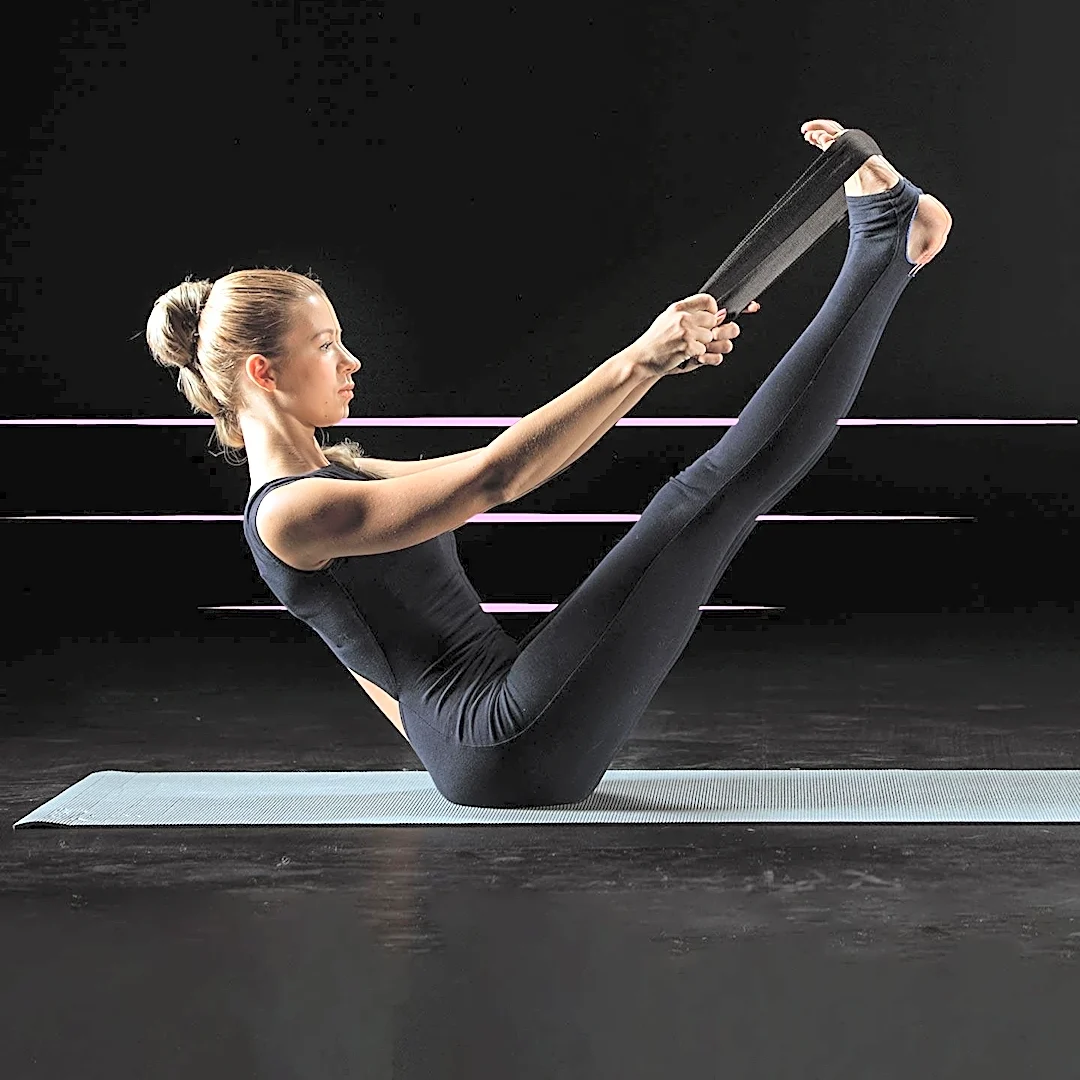
this pre-ski program should include aerobic and neuromuscular conditioning over several weeks. Key components involve improving physical endurance, with a target of being able to run for at least 30 minutes straight or walk briskly for an hour. Muscle strength and balance are also crucial, focusing on the lower limbs, particularly the front of the thigh and the back of the leg. Exercises such as squats, lunges, and step training are recommended. Additionally, flexibility exercises, including stretching for the legs, arms, and back, are essential to activate the muscular system and reduce injury risk. Warming up with stretching for about twenty minutes before skiing is also highlighted.
Why It's Important?
This emphasis on pre-ski physical preparation is vital for reducing the risk of injuries, which can range from muscle soreness to severe ligament tears. Traditional alpine skiing primarily strains the knees, making ligament strengthening critical to prevent sprains. Snowboarders, conversely, are more prone to wrist, elbow, shoulder, and spinal injuries. Without adequate preparation, individuals face increased susceptibility to conditions like Delayed Onset Muscle Soreness (DOMS) and more serious musculoskeletal damage. The physical demands of skiing, especially with modern techniques like carving, place significant stress on joints and muscles. Proper conditioning ensures that the body is resilient enough to handle rapid weight shifts and intense physical activity, thereby enhancing safety and enjoyment on the slopes and potentially reducing healthcare burdens associated with ski-related injuries.
What's Next?
For those planning winter sports, the immediate next step involves incorporating a structured pre-ski training regimen into their routine. This should ideally begin several weeks before hitting the slopes to allow for adequate conditioning. Beyond physical preparation, individuals are advised to pay close attention to weather and snow conditions, as these significantly impact safety. Selecting appropriate equipment, including wearing a helmet, is also crucial for minimizing injury consequences. On the slopes, a principle of progressive exertion is recommended, starting with easier runs to refresh basic skills and regain confidence. Recognizing and responding to fatigue is paramount, as decreased neuromuscular responsiveness increases the risk of falls and injuries. Continued adherence to these guidelines will help ensure a safer and more enjoyable skiing experience.
Beyond the Headlines
The focus on pre-ski fitness underscores a broader trend in sports and recreation: the increasing recognition of proactive injury prevention through specialized training. This approach moves beyond simply having the right gear to cultivating the physical resilience necessary for demanding activities. It highlights the interconnectedness of physical health, athletic performance, and safety, suggesting that recreational athletes can benefit from the same rigorous preparation once reserved for professionals. Culturally, it promotes a more responsible attitude towards winter sports, encouraging participants to view physical readiness as an integral part of their holiday planning, akin to booking accommodation or purchasing lift tickets. This shift could lead to a more informed and health-conscious demographic of winter sports enthusiasts, potentially influencing how sports-related health and wellness programs are developed and marketed.