





What's Happening?
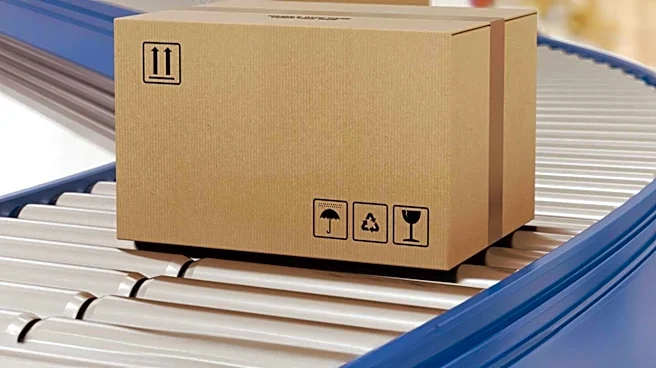
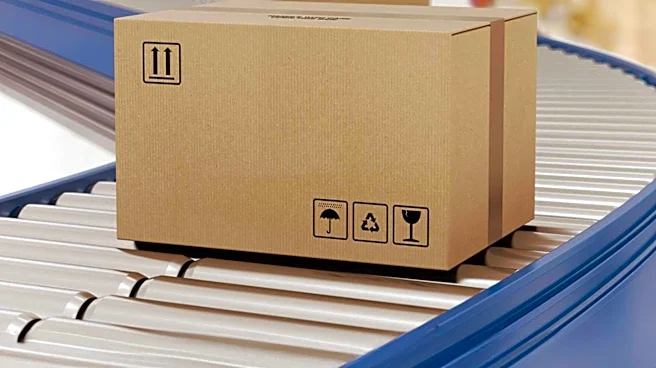
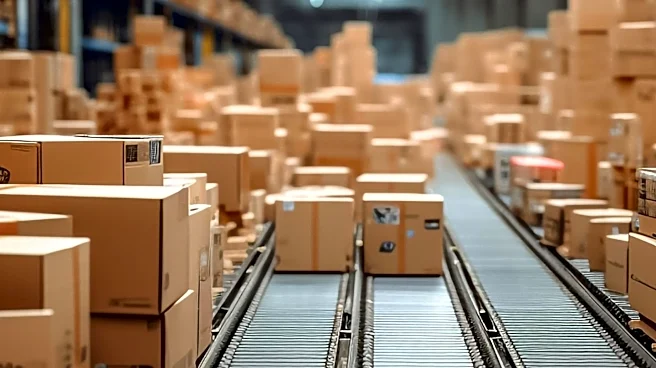
Warehousing is the systematic process of storing goods in a dedicated facility until they are ready for shipment, distribution, or delivery. This process encompasses several critical activities, including receiving, put-away, inventory control, picking,
packing, value-added services, quality checks, and dispatch preparation. Modern warehousing extends beyond simple storage; it functions as a strategic decision point within the supply chain. Decisions made within a warehouse, such as the placement of fast-moving items closer to dispatch lanes or the method of picking e-commerce orders, directly influence labor productivity, order accuracy, working capital, and overall customer satisfaction. The evolution of technology and automation has transformed warehousing, enabling better tracking of shipments, streamlined collections, and on-demand access to goods. This has, in turn, elevated customer expectations for greater visibility, flexible access, and adaptable services. Warehousing is distinct from logistics, which is the broader operating system managing the flow of goods, including transport planning, freight forwarding, and delivery scheduling. However, the two functions are interdependent, with overlaps at every handover point, where inefficiencies in one can impact the other.
Why It's Important?
The efficiency of warehousing directly impacts the operational costs and customer satisfaction for businesses across the U.S. A well-managed warehouse can significantly reduce errors in order fulfillment, ensure stock availability, and maintain delivery schedules, which are crucial for maintaining competitive advantage. For industries reliant on timely delivery, such as e-commerce and manufacturing, optimized warehousing processes are essential for meeting consumer demands and managing inventory effectively. Poor warehousing practices can lead to increased costs through premium freight, overtime, missed orders, and dissatisfied customers. Conversely, strategic warehousing decisions can enhance labor productivity and improve working capital by ensuring that goods are stored and moved efficiently. The integration of warehousing with broader logistics networks is vital for creating resilient supply chains that can adapt to disruptions, capacity shortages, and fluctuating fuel costs, thereby safeguarding business continuity and profitability in the U.S. market.
What's Next?
As customer expectations for speed and visibility continue to rise, the warehousing sector is expected to further embrace technological advancements and automation. Businesses will likely invest more in Warehouse Management Systems (WMS) to optimize inventory control, order processing, and labor management. The trend towards multi-site networks and outsourced fulfillment solutions will also continue, allowing companies to scale their distribution more flexibly and efficiently. There will be an increased focus on data analytics within warehousing to make more informed decisions regarding stock placement, picking strategies, and overall operational flow. Furthermore, the integration between warehousing and logistics will become even more seamless, with businesses striving for a unified approach to supply chain management rather than treating them as separate entities. This will involve greater collaboration between warehousing and transport teams to ensure synchronized operations, ultimately leading to improved delivery performance and reduced costs across the U.S. supply chain.
Beyond the Headlines
The evolution of warehousing reflects broader shifts in consumer behavior and global commerce. The demand for faster, more accurate deliveries, driven by e-commerce, has transformed warehouses from mere storage facilities into sophisticated hubs of activity. This transformation has significant implications for the labor market, requiring a workforce with new skills in technology and automation, alongside traditional physical handling. Ethical considerations also arise concerning working conditions in increasingly automated environments and the potential impact on employment. Legally, regulations around safety, data privacy in inventory management, and cross-border movement of goods continue to shape warehousing practices. Culturally, the expectation of instant gratification has been normalized, placing immense pressure on supply chains, with warehousing at its core, to perform flawlessly. This ongoing evolution underscores warehousing's critical role not just in business operations, but in shaping economic landscapes and consumer lifestyles.