






What's Happening?
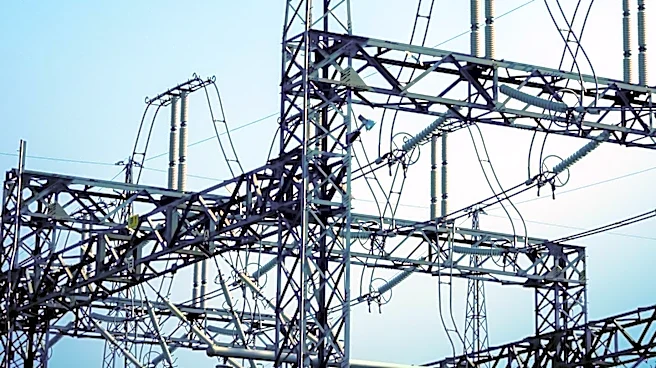
Sargent & Lundy is actively recruiting a Transmission Line Engineer 3 for their Grid team in Richmond, VA. This position involves designing transmission lines ranging from 69kV to 765kV and performing structural analysis for various types of structures,
including pole, lattice, framed, and guyed designs. Key responsibilities include foundation design, conductor selection studies, shielding, grounding, and induction studies. The engineer will also be responsible for developing cost estimates, schedules, and specifications for material procurement and construction. A significant part of the role involves modeling transmission lines using PLS-CADD, determining right-of-way requirements, calculating conductor sags, and creating plan and profile drawings. Candidates are expected to have a degree from an ABET-accredited engineering program, at least three years of experience in transmission line engineering, and proficiency with PLS-CADD and PLS-POLE.
Why It's Important?
The demand for experienced transmission line engineers, as evidenced by this job opening, underscores the ongoing need for skilled professionals to maintain and expand the U.S. electrical infrastructure. These engineers are critical for ensuring the reliability and efficiency of the power grid, which is essential for economic stability and public safety. The specific skills required, such as proficiency in PLS-CADD and knowledge of high-voltage transmission systems, highlight the specialized nature of this field. The role's focus on designing lines for various voltage levels and performing detailed structural and electrical analyses directly contributes to the safe and effective delivery of electricity to homes and businesses. This hiring initiative reflects the broader industry trend of investing in grid modernization and expansion to support growing energy demands and integrate new power sources.
What's Next?
The continuous recruitment for specialized roles like Transmission Line Engineer 3 suggests a sustained investment in the power transmission sector. Sargent & Lundy, along with other engineering firms, will likely continue to seek qualified professionals to address the evolving needs of the grid. Future trends in this field may include increased adoption of advanced modeling and simulation tools, greater emphasis on grid resilience against climate-related events, and the integration of smart grid technologies. Engineers in this role will be at the forefront of designing infrastructure that supports renewable energy integration and enhances overall grid performance. The industry will also likely focus on training and development programs to ensure a steady pipeline of talent capable of handling complex transmission projects.
Beyond the Headlines
The technical requirements for a Transmission Line Engineer 3 reveal the intricate engineering challenges involved in power delivery. Beyond the immediate task of designing lines, these engineers contribute to critical national infrastructure that underpins nearly every aspect of modern life. Their work involves balancing complex factors such as electrical performance, structural integrity, environmental impact, and cost-effectiveness. The emphasis on right-of-way determination also touches upon legal and social considerations, as transmission lines often traverse diverse landscapes and private properties. The role is not just about technical drawings but about contributing to a resilient and sustainable energy future, ensuring that the nation's power supply remains robust and adaptable to future demands and technological advancements.