





What's Happening?
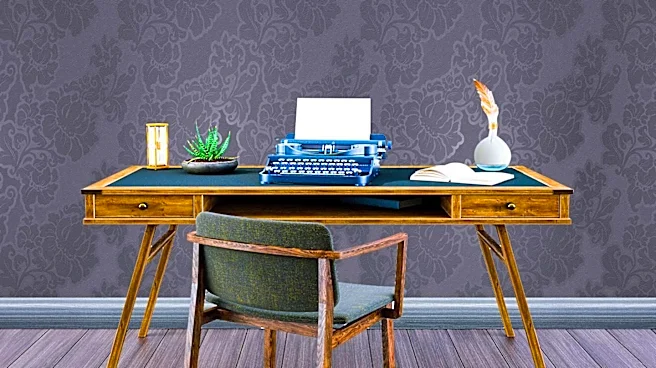
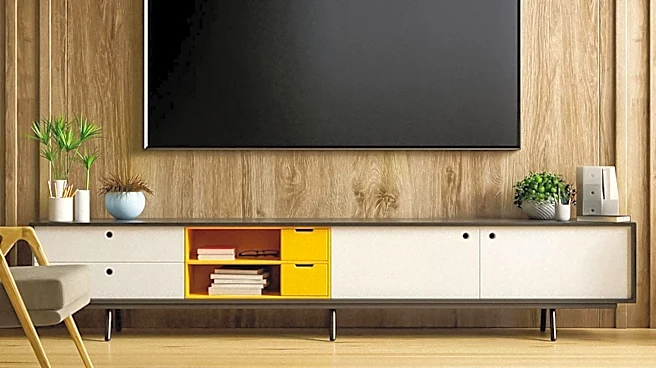
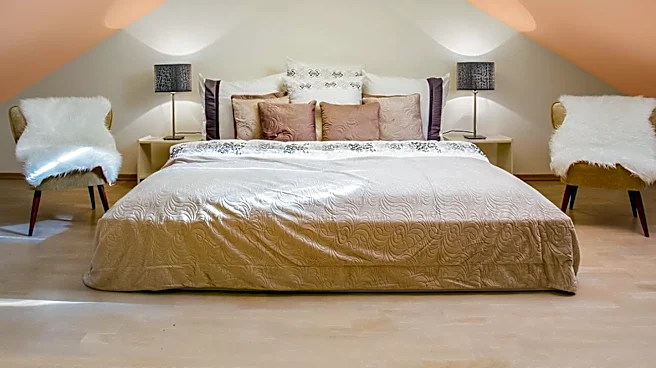
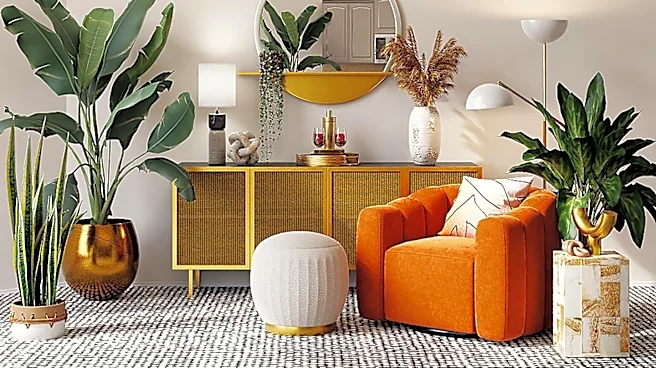
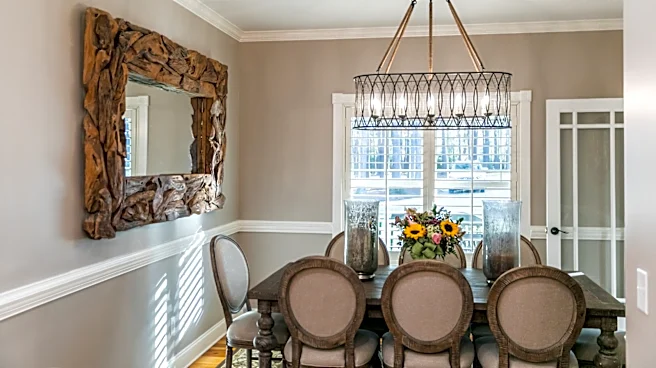
The Renova app is providing AI-driven home design solutions, enabling users to redesign various spaces, including balconies, with diverse styles and materials. This application allows individuals to take a photo of their space and instantly transform
it using artificial intelligence. Users can explore different layouts, plants, and outdoor styles for their balconies and gardens before committing to any physical changes. The app also features functionalities to rearrange furniture, remove unwanted objects, and change paint, flooring, and materials virtually. It offers a range of styles such as Modern, Scandinavian, Japandi, Industrial, Boho, and Minimalist, delivering photorealistic results in seconds. This tool is designed to assist with renovation projects, home staging, or simply visualizing potential changes.
Why It's Important?
The emergence of AI-driven home design tools like Renova signifies a significant shift in the home improvement industry, making professional-grade design accessible to a broader audience. This technology democratizes interior and exterior design, allowing homeowners and renters to experiment with costly renovations virtually, thereby reducing financial risks and decision-making stress. For businesses in the home improvement sector, this trend could lead to increased demand for specific products and materials as consumers gain clearer visions of their desired outcomes. It also presents opportunities for retailers and contractors to integrate AI visualization into their sales processes, offering enhanced customer experiences. The ability to visualize changes before implementation can save time and resources, potentially boosting efficiency in the renovation market and influencing consumer spending habits towards more informed purchases.
What's Next?
The continued development and adoption of AI in home design are likely to lead to more sophisticated and integrated solutions. Future iterations of apps like Renova could incorporate augmented reality (AR) for real-time visualization within a physical space, or even connect users directly with contractors and suppliers based on their design choices. We may see partnerships between AI design platforms and furniture retailers, allowing users to virtually place specific products from a catalog into their redesigned spaces. The technology could also expand to offer personalized design recommendations based on user preferences, budget, and even local climate conditions for outdoor spaces. This evolution will further streamline the design and renovation process, making it more intuitive and comprehensive for consumers.
Beyond the Headlines
The rise of AI in home design extends beyond mere aesthetics, touching upon broader implications for sustainability and accessibility. By allowing users to virtually experiment with materials and layouts, AI tools can promote more environmentally conscious design choices, such as optimizing for natural light or suggesting sustainable materials, before any physical resources are consumed. This could lead to a reduction in waste associated with design errors or changes of mind during renovation. Furthermore, these tools can make professional design services more accessible to individuals who might not otherwise afford them, fostering creativity and improving living spaces across diverse socioeconomic backgrounds. The ethical considerations around data privacy and the potential for AI to influence design trends, possibly leading to homogenization or, conversely, hyper-personalization, will also become increasingly relevant.