



What's Happening?
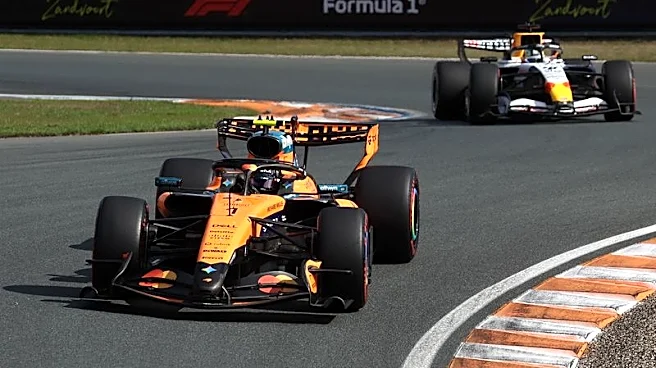
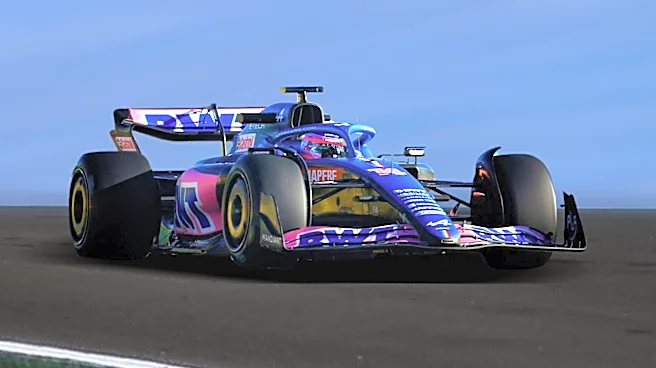
Pierre Gasly, an Alpine driver, was investigated by the FIA stewards following an incident during the qualifying session of the Dutch Grand Prix. The investigation centered on a potentially dangerous exit from the pit lane at 16:07, where his car, number
10, merged into the fast lane directly in front of Gabriel Bortoleto's Audi. Bortoleto reportedly had to lift off the throttle and brake slightly to avoid a collision. Both drivers, along with their representatives, were summoned by the stewards. After reviewing video footage, timing data, telemetry, and onboard camera recordings from both cars, the stewards concluded that Gasly's actions did not constitute a breach of regulations. They determined that the maneuver, while requiring Bortoleto to react, did not endanger pit lane personnel, other drivers, or cause damage to another vehicle. Both Gasly and Bortoleto agreed that the situation was not dangerous, describing it as a common occurrence during qualifying sessions when multiple cars exit the pits simultaneously. As a result, no penalty was imposed on Gasly, allowing him to retain his 11th position on the grid for the main race, while his teammate Franco Colapinto will start 14th.
Why It's Important?
This decision by the FIA stewards is significant for maintaining the integrity and fairness of Formula 1 racing, particularly regarding on-track conduct and safety protocols. The investigation into Gasly's pit exit highlights the constant scrutiny drivers face, even for seemingly minor incidents that could have larger implications for safety. The stewards' ruling, based on a thorough review of evidence and driver testimonies, reinforces the established procedures for assessing potential rule infringements. For Alpine, the decision is crucial as it allows Gasly to maintain his qualifying position, which is particularly important given the team's recent upgrades to his car. Any penalty would have negatively impacted their starting grid advantage and strategic options for the race. The outcome also provides clarity on what constitutes a 'dangerous' pit exit, setting a precedent for future incidents and ensuring consistent application of rules across all teams and drivers. This helps to prevent arbitrary penalties and fosters a more predictable racing environment, which is vital for both team planning and driver confidence.
What's Next?
With the FIA stewards' decision to clear Pierre Gasly, the starting grid for the Dutch Grand Prix remains unchanged. Gasly will commence the race from 11th position, and his teammate Franco Colapinto will start 14th. This outcome allows Alpine to proceed with their race strategy as planned, without the need to adjust for a grid penalty. The focus will now shift to the main race, where both drivers will aim to capitalize on their starting positions. Gasly, having the benefit of recent car upgrades, will be looking to advance into the points-scoring positions. The incident and its resolution will likely be discussed within the racing community, but no further action is expected from the FIA regarding this specific event. Teams and drivers will continue to adhere to pit lane regulations, and the stewards will maintain their vigilance in monitoring on-track and pit lane activities to ensure safety and fair play throughout the season.
Beyond the Headlines
The incident involving Pierre Gasly and the subsequent FIA investigation underscore the fine line between aggressive racing and dangerous conduct in Formula 1. While the stewards ultimately deemed Gasly's maneuver not dangerous, it highlights the inherent risks and split-second decisions drivers must make in a high-pressure environment. The collaborative testimony from both Gasly and Bortoleto, agreeing that the situation was not perilous, offers a glimpse into the unwritten rules and mutual understanding among drivers regarding common racing scenarios. This event also subtly touches upon the continuous evolution of safety regulations in motorsport. Even seemingly minor interactions are scrutinized to prevent potential accidents, reflecting a broader commitment to driver and personnel safety. The decision not to penalize Gasly, despite the initial concern, suggests a pragmatic approach by the FIA, balancing strict rule enforcement with the realities of competitive racing. This balance is crucial for maintaining the excitement of the sport while ensuring participant well-being.