





What's Happening?
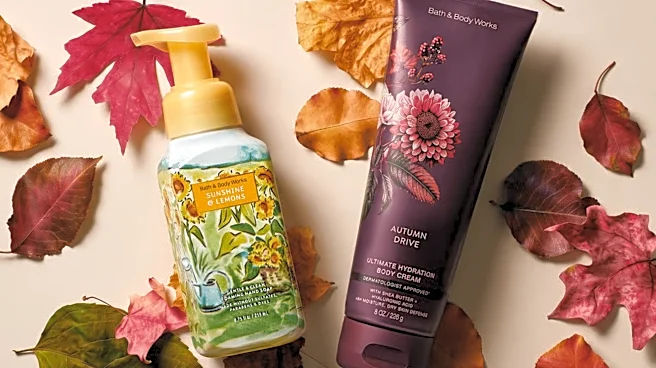
Bath & Body Works has introduced 'Hype Lab,' a new initiative designed to rapidly develop and test small-batch, limited-edition fragrances. This program is part of the company's broader 'Consumer First Formula' turnaround strategy, which aims to create
disruptive products, reignite the brand, and operate with greater speed and efficiency. Hype Lab focuses on identifying current social and cultural trends, including those observed on platforms like Instagram and TikTok, and translating them into new scent experiences. The development process for these fragrances is expedited, taking approximately 8-12 weeks from concept to release. The products are then launched on 'Drops,' a consumer-facing platform that also features early-access items and online exclusives. For instance, the company recently released a trio of perfume mists inspired by viral desserts, which sold out online within three minutes, and is preparing to launch a spooky season-inspired scent called Hex Appeal. The primary metric for Hype Lab's success is not immediate sales volume but rather consumer feedback gathered through social media comments and online reviews, which will inform future large-scale collections.
Why It's Important?
This initiative is important for Bath & Body Works as it represents a strategic shift towards more agile product development and a direct response to evolving consumer preferences in the fragrance market. By leveraging Hype Lab, the company aims to stay relevant in a fast-paced retail environment and regain market share. The focus on small-batch releases and direct consumer feedback allows for real-time learning and adaptation, which can significantly reduce the risk associated with large-scale product launches. This approach also fosters a sense of exclusivity and urgency among consumers, potentially driving engagement and brand loyalty. For the broader retail industry, Bath & Body Works' Hype Lab serves as a case study in how established brands can innovate and compete with direct-to-consumer models by embracing speed, consumer co-creation, and data-driven product development. The success of this model could influence other retailers to adopt similar strategies to connect with consumers and respond to cultural moments more effectively.
What's Next?
Bath & Body Works plans to continue utilizing Hype Lab to test and learn from consumer reactions to new fragrances. The feedback collected from these small-batch releases will be instrumental in inspiring and shaping future large-scale collections. The company's goal is to create fragrances and sensorial experiences that resonate with current cultural moments, extending beyond traditional beauty trends to potentially include inspirations from sports, movies, or podcasts. This ongoing process of testing, learning, and listening to consumers is central to their 'Consumer First Formula' strategy. The next product, Hex Appeal, is set to launch, and its reception will provide further insights into consumer preferences. The long-term objective is to integrate these learnings into their core product development, ensuring that Bath & Body Works remains a dynamic and culturally relevant brand in the competitive fragrance market.
Beyond the Headlines
The Hype Lab initiative reflects a deeper trend in consumer goods: the democratization of product development and the increasing influence of social media and cultural phenomena on purchasing decisions. By actively soliciting and integrating consumer feedback from platforms like Instagram and TikTok, Bath & Body Works is not just selling products; it's engaging in a form of co-creation with its customer base. This approach blurs the lines between consumer and producer, fostering a stronger sense of community and brand ownership among shoppers. Furthermore, the emphasis on 'fragrance at the speed of culture' highlights a shift from traditional, lengthy product development cycles to a more responsive, iterative model. This could lead to a more diverse and personalized fragrance market, where products are tailored to niche interests and fleeting trends, rather than broad, mass-market appeals. The ethical implications of leveraging social media trends for commercial gain, and the potential for rapid-fire product cycles to contribute to consumerism, are also underlying considerations.