





What's Happening?
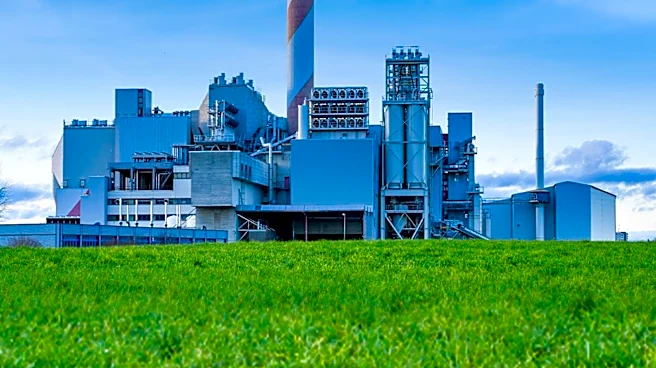
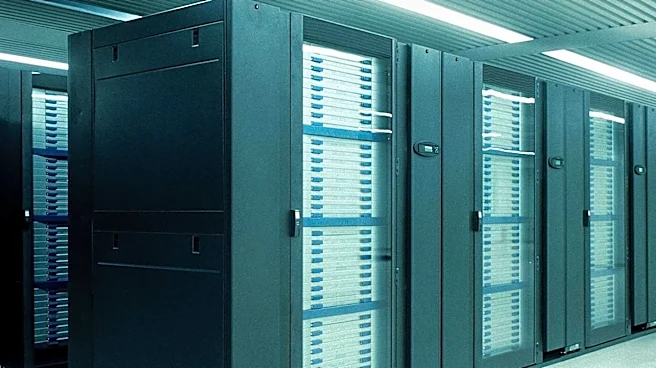
Cybastion, a U.S. digital and infrastructure solutions company, announced plans to invest $75 million in an AI-powered data center and power plant in Douala, Cameroon. This initiative aims to expand the company's digital infrastructure projects across
Africa. The project will combine a sovereign data center with dedicated power capacity to meet the increasing demand for computing, digital services, and artificial intelligence in the region. The investment was announced during the inaugural U.S.-Cameroon Bilateral Economic and Commercial Dialogue, which sought to attract greater U.S. private sector investment and strengthen Cameroon's business environment. Cybastion's digital infrastructure project is designed to address the interconnected needs of computing capacity and reliable power from the outset, though specific details regarding capacity, size, and timeline for the new facilities have not yet been revealed. This development is part of a broader strategy by Cybastion to advance its Digital Fast Track platform, which integrates digital infrastructure, cybersecurity, digital solutions, reliable energy, and workforce development to build secure and resilient digital ecosystems.
Why It's Important?
This investment by a U.S. company highlights the growing strategic importance of digital infrastructure in emerging markets, particularly in Africa. For the U.S., it represents an opportunity to strengthen economic ties and influence in a region that is undergoing rapid digital transformation. By providing advanced AI-powered data centers and reliable power, Cybastion is not only addressing critical infrastructure gaps but also fostering an environment conducive to technological innovation and economic growth. This can create new markets for U.S. technology exports and services, benefiting American businesses. Furthermore, the project's focus on cybersecurity and resilient digital ecosystems aligns with U.S. national security interests by promoting secure digital environments globally. The initiative also underscores the increasing role of AI in driving demand for robust data center capabilities, positioning U.S. companies at the forefront of this technological expansion. The U.S. government's involvement in announcing this investment through the Embassy in Cameroon signals a concerted effort to support American companies in securing significant trade and investment opportunities abroad.
What's Next?
Cybastion is expected to release further details regarding the capacity, size, and timeline for the new data center and power plant facilities in Douala. The company will likely proceed with the development and construction phases, aiming to integrate the new infrastructure into its broader Digital Fast Track platform. This project could serve as a blueprint for future U.S. investments in digital infrastructure across other African nations, potentially leading to more partnerships and expanded digital transformation initiatives. Stakeholders, including the U.S. and Cameroonian governments, will likely monitor the project's progress as a benchmark for bilateral economic cooperation. The success of this venture could encourage other U.S. private sector entities to explore similar investment opportunities in the region, further solidifying America's role in Africa's digital development. Additionally, the project's emphasis on AI and cloud computing suggests a future focus on advanced technological services and solutions for the Cameroonian market.
Beyond the Headlines
The investment by Cybastion in Cameroon extends beyond mere infrastructure development; it represents a significant step in addressing the digital divide and fostering digital sovereignty in African nations. By establishing a sovereign data center, Cameroon can enhance its control over its digital data, which has profound implications for national security, data privacy, and economic independence. This move could reduce reliance on foreign data storage solutions, mitigating risks associated with data access and control. Ethically, the project raises questions about responsible AI development and deployment in a developing context, ensuring that the technology serves the local population's best interests and avoids exacerbating existing inequalities. Culturally, increased digital access and AI capabilities could transform various sectors, from education and healthcare to governance, potentially leading to new forms of social interaction and economic activity. The long-term shift could see African nations becoming more self-reliant in their digital ecosystems, fostering local innovation and creating a more equitable global digital landscape.