



What's Happening?
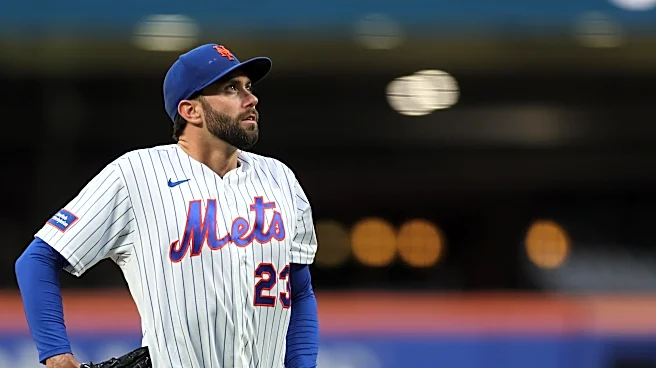
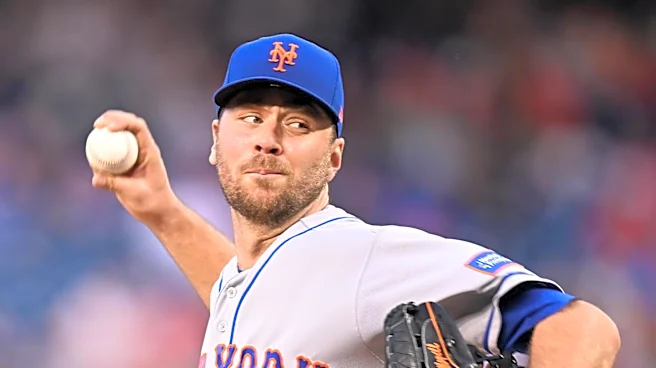
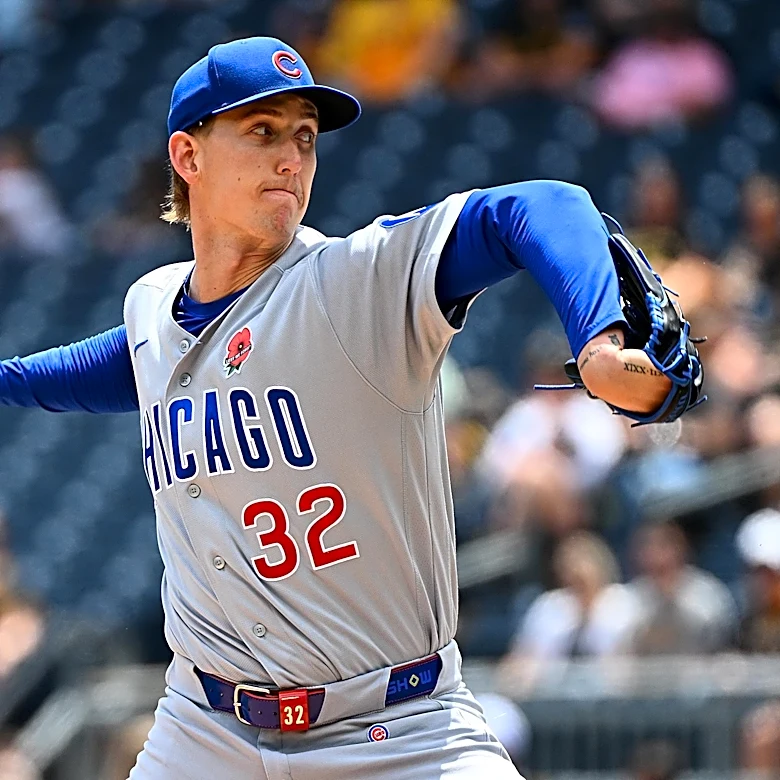
The New York Mets are reportedly considering MacKenzie Gore, a pitcher with the Texas Rangers, as a potential trade target. Gore currently has only one year of control left on his contract and has not secured an extension, making him a possible candidate
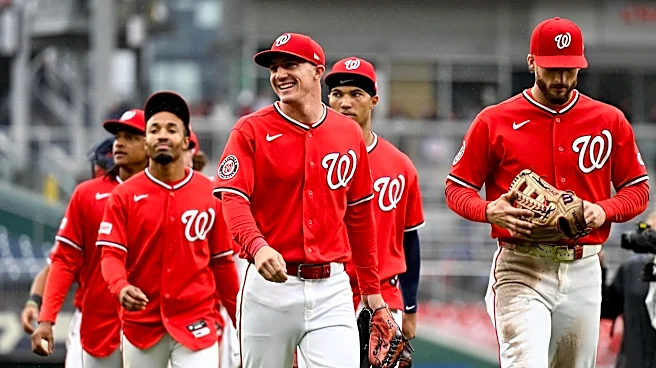
for the Rangers to trade. This interest from the Mets comes as the Rangers are evaluating their roster for potential offseason moves, which could include trading players with significant contracts or limited control. Gore was previously a trade target for the Mets when he was with the Washington Nationals. His 2026 season saw him pitch a career-high 173 innings, despite a 4.58 ERA. The Rangers had acquired Gore by trading five prospects, indicating a high initial value placed on him. The Mets' strategy would likely involve offering a package centered around one useful prospect, supplemented by other players to make the deal appealing to the Rangers.
Why It's Important?
This potential trade is significant for both the New York Mets and the Texas Rangers, and has broader implications for the MLB trade market. For the Mets, acquiring Gore could address their pitching needs, especially given his relatively young age for a one-year rental. His ability to pitch a high volume of innings, as demonstrated in 2026, could be valuable for a team looking to bolster its rotation depth. For the Rangers, trading Gore would allow them to gain assets for a player who might otherwise leave as a free agent after one season, especially if they are looking to manage their payroll or retool their roster. The situation highlights the strategic decisions teams face with players nearing the end of their contracts, balancing the desire for immediate performance against future financial flexibility and prospect acquisition. The outcome of such a trade could influence the competitive landscape of both the American and National Leagues, as teams adjust their rosters for upcoming seasons.
What's Next?
The immediate next steps involve continued discussions and negotiations between the New York Mets and the Texas Rangers regarding MacKenzie Gore. The Rangers will need to decide whether to pursue an extension with Gore, keep him for his final year of control, or actively seek a trade. The Mets, in turn, will likely evaluate their other pitching options and determine the optimal package of prospects and players they are willing to offer. The trade market typically heats up during the offseason and leading up to the trade deadline, so a resolution could come at various points. Other teams might also enter the bidding for Gore, potentially driving up his trade value. The decision will ultimately hinge on the Rangers' long-term strategy for their pitching staff and the Mets' urgency to acquire a pitcher of Gore's caliber and experience.
Beyond the Headlines
Beyond the immediate trade implications, this scenario underscores the evolving dynamics of player contracts and team management in professional baseball. The concept of 'control' over a player's contract is a critical factor in trade valuations, as teams weigh the cost of acquiring a player against the length of time they can retain them. For players like Gore, having only one year of control left can make them attractive to teams looking for short-term boosts, but also puts pressure on their current team to either extend them or trade them before they can depart as free agents. This situation also reflects the continuous cycle of rebuilding and contending in MLB, where teams constantly assess their assets and liabilities to maintain competitiveness. The trade of prospects for established players, and vice versa, is a cornerstone of this dynamic, shaping the future of franchises for years to come.