





What's Happening?
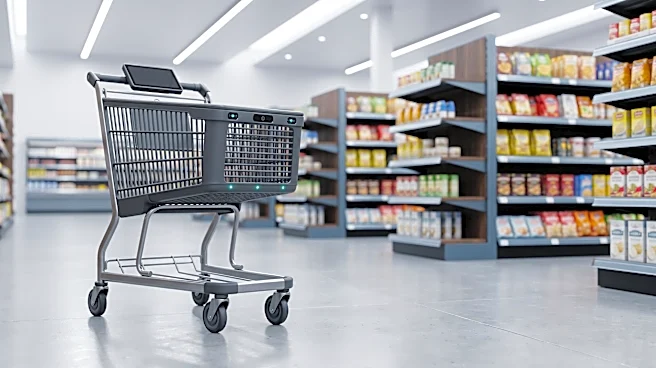
Artificial intelligence is increasingly being integrated into U.S. retail stores to facilitate cashierless payment systems. This technology utilizes cameras, sensors, and AI to monitor items shoppers select and automatically charges them upon exit, eliminating
traditional checkout lines. Major retailers such as Amazon, Walmart, Home Depot, and Albertsons are actively deploying these AI-driven solutions. Beyond physical stores, AI also supports cashierless transactions in e-commerce through Virtual Account (VA) payments, as exemplified by mobile applications like Lakoo. While AI in retail encompasses various applications like demand forecasting, personalized deals, and fraud detection, cashierless checkout is a significant development aimed at enhancing efficiency and customer experience. Despite the growing interest, a notable gap exists between the stated priority of AI adoption by company leaders and its full-scale implementation, with much of the technology still in testing phases.
Why It's Important?
The widespread adoption of AI-powered cashierless payments holds significant implications for the U.S. retail industry. For consumers, it promises reduced waiting times and a more seamless shopping experience, potentially increasing satisfaction and convenience. Retailers stand to gain from improved operational efficiency, lower labor costs associated with traditional checkout, and enhanced data collection on customer behavior, which can inform inventory management and marketing strategies. However, this shift also presents challenges. The increased reliance on AI for transactions could lead to new forms of fraud, such as account takeovers and card testing, which have already seen significant increases. Furthermore, the transition to cashierless systems may impact employment in retail, particularly for cashiers. The success and broader acceptance of these systems will depend on addressing security concerns, ensuring accuracy in billing, and managing the societal impact on the retail workforce.
What's Next?
The trend of AI integration in U.S. retail is expected to continue, with a focus on expanding cashierless payment systems and other AI applications. Retailers are likely to increase their AI budgets, with many planning significant investments in the coming years. This will involve further partnerships between major retail chains and AI technology companies to refine and scale these solutions. Efforts will also be directed towards mitigating the rise in fraud associated with automated systems, potentially through more sophisticated AI-driven fraud detection tools. As these technologies mature, there will be a continued push to move AI from pilot programs to full-scale operational deployment across various retail functions, including supply chain management, customer service, and marketing. The industry will also need to address consumer trust in AI platforms for transactions, as current data suggests a preference for retailer-managed experiences.
Beyond the Headlines
The proliferation of AI-powered cashierless payments raises deeper questions about the future of retail and consumer interaction. Ethically, concerns may arise regarding data privacy, as these systems collect extensive information on shopping habits and movements within stores. The potential for job displacement among retail workers, particularly cashiers, also presents a societal challenge that will require careful consideration and potential retraining initiatives. Legally, the regulatory framework for AI in retail, especially concerning data security and consumer protection, will need to evolve to keep pace with technological advancements. Culturally, the shift towards automated, human-less transactions could alter the traditional shopping experience, potentially reducing social interaction and changing the atmosphere of retail spaces. The long-term impact on consumer behavior, store design, and the overall retail economy will be a critical area of observation as these technologies become more ubiquitous.