




What's Happening?
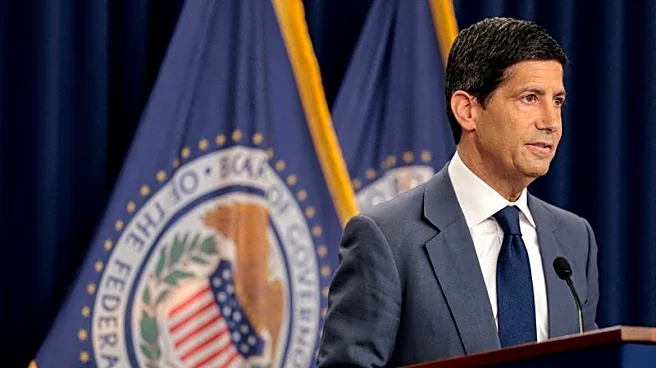
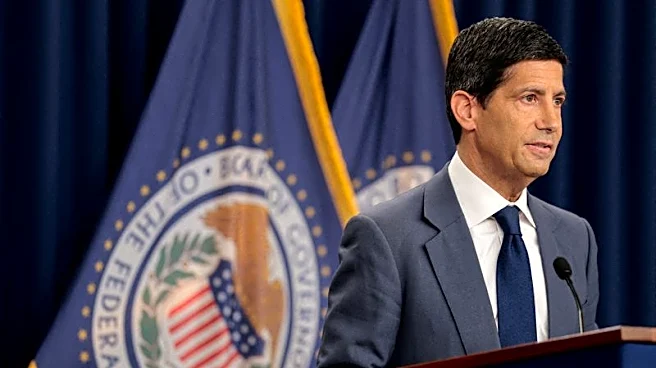
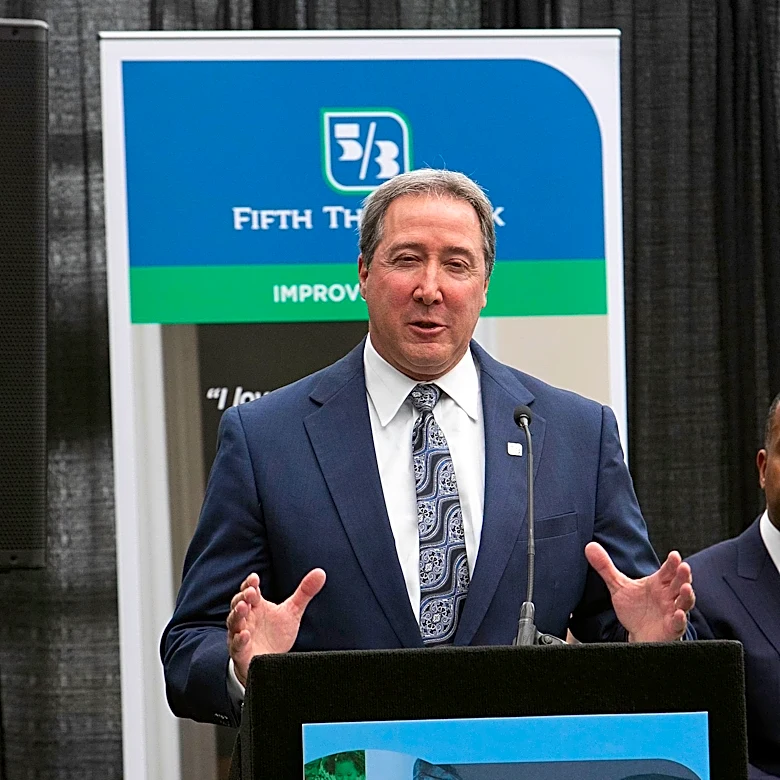
Federal Reserve Chairman Kevin Warsh recently addressed a task force in San Francisco, emphasizing the significant economic implications of artificial intelligence, which he referred to as 'superintelligence.' Warsh highlighted AI's potential to boost
productivity and accelerate economic growth, potentially maintaining full employment. However, he also cautioned against less positive outcomes, including job displacement due to automation, which could lead to increased unemployment. A third scenario Warsh presented was the possibility of AI failing to meet expectations, leading to an economic slowdown and a rise in unemployment despite significant capital investment and stock market gains. He noted that President Trump has ordered the U.S. government to predominantly use the term 'superintelligence' over 'artificial intelligence.' Warsh has consistently stressed AI's importance for productivity and its potential disinflationary effect on the economy since assuming his role.
Why It's Important?
Chairman Warsh's remarks underscore the complex and potentially disruptive nature of AI for the U.S. economy. His warning about job displacement highlights a critical concern for the American workforce, suggesting that while AI can create efficiencies, it may also necessitate significant retraining and adaptation for many workers. The possibility of AI 'disappointing' after substantial investment could lead to market corrections and broader economic instability, affecting investors, businesses, and employment rates. This perspective from a central bank leader signals that policymakers are closely monitoring AI's development and its potential to reshape economic landscapes, influencing future monetary policy decisions and potentially prompting discussions on social safety nets or educational reforms to mitigate adverse effects on employment.
What's Next?
The ongoing discussions by the Federal Reserve's task force, which includes business leaders, economists, and academics, will likely continue to shape understanding and policy approaches regarding AI's economic impact. The focus on productivity and employment suggests that future policy considerations may involve strategies to harness AI's benefits while addressing its challenges. Businesses and educational institutions may face increased pressure to invest in training and upskilling programs to prepare the workforce for an AI-driven economy. The Fed's continued monitoring of AI's influence on inflation and economic growth will be crucial for guiding future monetary policy decisions, potentially leading to new frameworks for economic stability in an era of rapid technological change.
Beyond the Headlines
The shift in terminology from 'artificial intelligence' to 'superintelligence' by presidential order, as noted by Chairman Warsh, could reflect a broader governmental emphasis on the transformative, rather than merely assistive, capabilities of advanced AI. This linguistic change might influence public perception and investment priorities, framing AI as a more profound and potentially world-altering force. The inherent tension between AI's promise of unprecedented productivity and the risk of widespread job losses raises fundamental questions about the future of work, income inequality, and the social contract in a highly automated society. It also highlights the ethical considerations surrounding the deployment of powerful technologies and the need for proactive governance to ensure equitable outcomes.