








What's Happening?
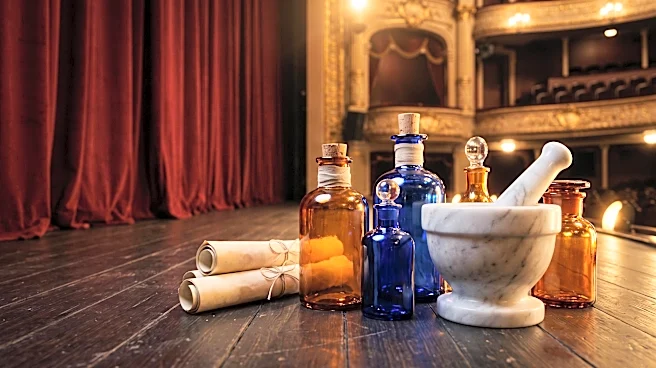
The Secret Theatre, a New York-based performing arts organization, has announced its return to producing with a new staging of William Shakespeare's 'King Lear,' scheduled for Fall 2026. This production marks a significant milestone for the company, which
has faced disruptions, including the COVID-19 pandemic and multiple relocations. After nearly 20 years of operating as both a performance venue and a producing company, The Secret Theatre was forced to leave its original Long Island City location due to the pandemic. They subsequently found temporary homes in Woodside and Sunnyside before securing a permanent space in Long Island City. This new facility will consolidate their theatre, production company, Secret Academy for performing arts education, and Vital Art Studios, which includes a gallery and artist studios. Artistic Director Richard Mazda has invited Barbara McGlamery to join as Co-Artistic Director, and together they will co-direct 'King Lear,' aiming to launch a new chapter for the theatre's producing legacy with a fresh interpretation of the classic tragedy.
Why It's Important?
The return of The Secret Theatre to active production, particularly with a classic like 'King Lear,' signifies a broader resurgence and resilience within the U.S. performing arts sector following the challenges posed by the COVID-19 pandemic. Many arts organizations struggled with closures, funding issues, and audience engagement during and after the pandemic. The Secret Theatre's journey, including multiple relocations and the establishment of a new permanent home, reflects the adaptability and determination required for cultural institutions to survive and thrive. This development is important for the local community in Queens, New York, as it ensures continued access to live theatre and performing arts education. It also provides opportunities for artists and contributes to the cultural vibrancy of the city. The consolidation of their various programs under one roof could lead to greater synergy and impact, benefiting students, artists, and audiences alike. The collaboration between Richard Mazda and Barbara McGlamery also suggests a fresh artistic vision for the company's future productions.
What's Next?
The immediate next step for The Secret Theatre is the preparation and staging of 'King Lear' in Fall 2026, which will be co-directed by Richard Mazda and Barbara McGlamery. This production is intended to inaugurate the new chapter of the theatre's producing legacy in its permanent Long Island City home. Following this, the consolidation of their theatre, production company, Secret Academy, and Vital Art Studios under one roof suggests a more integrated and robust operational model. This could lead to an expansion of their educational programs, increased artistic collaborations, and a more consistent schedule of performances. The Secret Theatre will likely focus on rebuilding its audience base and re-establishing its presence within the New York theatre scene. The success of 'King Lear' will be crucial in setting the tone for future productions and solidifying the theatre's renewed commitment to bringing classic and contemporary works to the community.
Beyond the Headlines
The Secret Theatre's journey highlights the profound impact of external crises, such as a global pandemic, on cultural institutions and their enduring struggle for stability and continuity. Their resilience in relocating multiple times and ultimately securing a permanent home underscores the intrinsic value placed on arts and culture within communities, even in the face of significant adversity. This narrative extends beyond a single theatre company, reflecting a broader trend of adaptation and innovation within the U.S. arts sector. The integration of a theatre, an academy, and artist studios within one facility represents a holistic approach to cultural development, fostering not only performance but also education and artistic creation. This model could serve as a blueprint for other community-based arts organizations seeking to maximize their impact and ensure long-term sustainability in a challenging landscape. The emphasis on a 'fresh and distinctive interpretation' of a classic like 'King Lear' also speaks to the ongoing relevance of traditional works when re-contextualized for contemporary audiences.