





What's Happening?
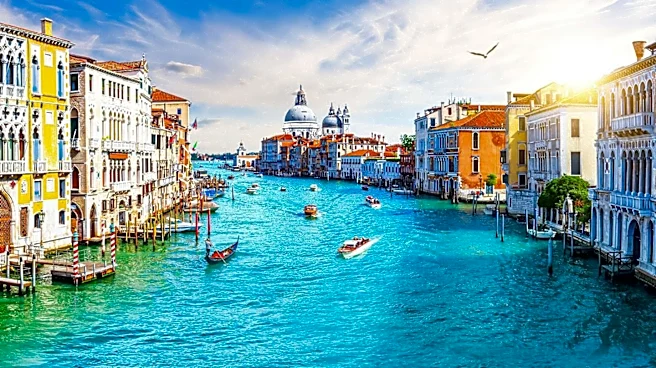
Venice, Italy, a city constructed on a lagoon in the Adriatic Sea, is renowned for its intricate network of canals, narrow streets, and iconic landmarks. Visitors to Venice can immerse themselves in its rich history and architectural grandeur, with popular
attractions including St. Mark’s Square and its magnificent Basilica. The city offers various ways to explore its unique character, such as guided walking tours and traditional gondola rides through its enchanting waterways. Accommodation options, like the MEININGER Venezia Mestre, provide comfort and convenience for travelers. Recommendations for visiting Venice include exploring early in the morning, during spring or autumn, and venturing into the side streets to discover hidden gems. The city also provides engaging activities such as mask-making workshops, allowing visitors to experience its cultural heritage firsthand. Venice's distinct physical reality, where canals serve as streets and vaporetti as buses, shapes its unique atmosphere, from the quality of light reflecting off water to the way sound carries through the city.
Why It's Important?
Venice's enduring appeal as a global tourist destination highlights the economic and cultural significance of preserving unique historical sites. The city's reliance on tourism means that its infrastructure and cultural offerings directly impact local businesses, from hotels and restaurants to tour operators and artisan shops. The preservation of Venice's architectural splendor and traditional crafts, such as mask-making, contributes to its economic viability and cultural identity. The challenges Venice faces, such as managing visitor numbers and the impact of tides, underscore the broader importance of sustainable tourism practices for historical cities worldwide. The city's efforts to maintain its unique character while accommodating a large influx of tourists serve as a case study for other destinations grappling with similar issues. The continued interest in Venice's history and art also supports a vibrant cultural sector, including museums and galleries, which further enhances its global standing.
What's Next?
Venice continues to implement strategies to manage its tourism, including an access contribution for day visitors on selected peak dates, aimed at regulating visitor flow rather than imposing a permanent entrance fee. This policy is subject to annual review, with specific dates and arrangements changing each year, requiring visitors to check official municipal information prior to travel. Those staying overnight are typically exempt from this contribution, as they already pay a tourist tax through their accommodation. The city will likely continue to explore and refine such measures to balance tourism benefits with the preservation of its delicate environment and local quality of life. Future developments may include further initiatives to promote off-peak travel, encourage exploration of less-visited areas, and enhance sustainable transport options to mitigate the impact of tourism on its unique infrastructure.
Beyond the Headlines
The unique urban fabric of Venice, built on a lagoon, presents ongoing challenges related to environmental sustainability and urban planning. The constant interaction with water influences everything from daily life to the long-term preservation of its historic buildings. The city's efforts to manage tourism and protect its heritage reflect a broader global conversation about the impact of human activity on fragile ecosystems and cultural sites. The concept of 'getting lost' in Venice's side streets, as recommended by some, speaks to a desire for authentic, unscripted travel experiences that contrast with the more structured, crowded tourist routes. This highlights a shift in traveler preferences towards deeper engagement with local culture and less-trodden paths, which could influence future tourism development and marketing strategies for unique destinations.