



What's Happening?
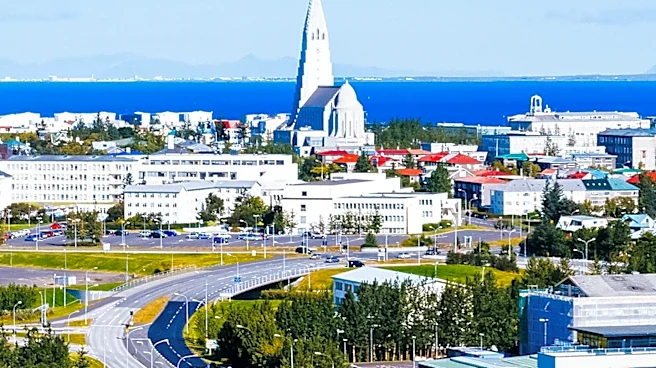
Reykjavik, the capital of Iceland, is highlighted as a city rich in natural wonders and cultural experiences. Located within the Golden Circle, a popular tourist route, Reykjavik provides access to sites like Þingvellir National Park, a UNESCO World Heritage
Site. The city itself boasts a vibrant music scene, unique architecture, and a deep connection to Viking history. Visitors can explore geothermal swimming pools, museums such as the Saga Museum and the National Museum of Iceland, and galleries. The city's Old Harbor offers views of Mount Esja and features the Sun Voyager sculpture. Reykjavik is also known for its friendly atmosphere and serves as a convenient base for exploring Iceland's broader natural beauty, including the Blue Lagoon, which is often visited on arrival or departure days due to its proximity to Keflavík International Airport. The city's culinary scene includes acclaimed bars and restaurants, offering a blend of local and international dishes.
Why It's Important?
Reykjavik's appeal as a tourist destination is significant for Iceland's economy, drawing international travelers seeking unique experiences. Its strategic location within the Golden Circle allows visitors to efficiently explore some of Iceland's most iconic natural attractions, maximizing their travel experience. The city's cultural offerings, from its music scene to its historical museums, contribute to a well-rounded tourist experience that goes beyond natural landscapes. The emphasis on safety and friendliness enhances its attractiveness, potentially leading to increased tourism revenue and supporting local businesses in hospitality, arts, and dining. For travelers, Reykjavik offers a blend of adventure and urban exploration, making it a key gateway to understanding Icelandic culture and nature.
What's Next?
As Reykjavik continues to grow as a tourist hub, future developments may focus on enhancing infrastructure to accommodate increasing visitor numbers while preserving its unique charm. Continued promotion of its cultural events, historical sites, and natural access points will likely remain a priority to attract diverse groups of travelers. The city may also see further investment in sustainable tourism practices to manage the environmental impact of its popularity. For visitors, the trend of combining city exploration with day trips to natural wonders like the Blue Lagoon and the Golden Circle is expected to continue, with tour operators likely to offer more tailored itineraries to meet varied interests and timeframes.
Beyond the Headlines
Beyond its immediate tourist appeal, Reykjavik represents a fascinating case study in how a relatively small capital city can leverage its unique geographical and cultural assets to become a global destination. Its commitment to preserving Viking history and promoting local arts reflects a broader national identity. The integration of geothermal energy into daily life, exemplified by its swimming pools and the Blue Lagoon, highlights Iceland's innovative approach to sustainable living. This blend of ancient heritage and modern sustainability offers deeper insights into Icelandic society and its values, showcasing how a nation can thrive by harmonizing with its natural environment and celebrating its distinct cultural narrative.