







What's Happening?
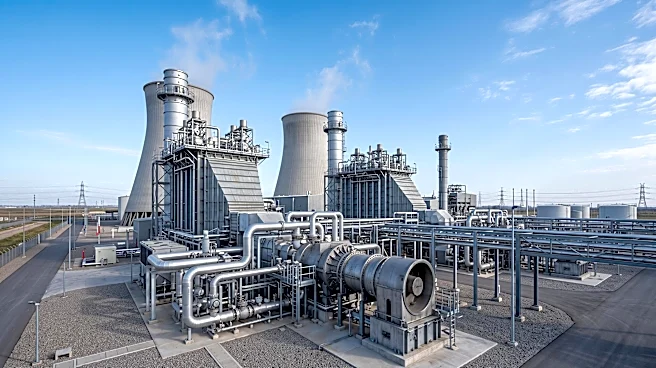
The Federal Energy Regulatory Commission (FERC) is proposing to streamline its review process for natural gas projects by reducing its reliance on air dispersion modeling during National Environmental Policy Act (NEPA) reviews. This move is seen by supporters
as a sensible effort to refocus environmental assessments. However, critics argue that scaling back these requirements could expose project approvals to new legal challenges. Bracewell’s Ann Navaro noted that the draft policy statement aims to clarify that FERC will not ignore air quality impacts but will cease requiring costly and time-consuming modeling analyses that often exceed Clean Air Act requirements.
Why It's Important?
This proposed change by FERC is significant for the U.S. energy sector, particularly for natural gas infrastructure development. Streamlining the review process could accelerate project approvals, potentially reducing costs and timelines for energy companies. This could encourage investment in natural gas infrastructure, which is crucial for energy supply and economic growth. Conversely, if the changes lead to increased litigation, it could introduce further delays and uncertainty for projects, making capital more expensive or diverting it to other opportunities. The balance between efficient regulatory processes and robust environmental protection is critical for maintaining a healthy infrastructure investment environment and ensuring reliable energy supply.
What's Next?
The proposed policy statement will likely undergo further review and public comment before finalization. Stakeholders, including environmental groups, energy companies, and legal experts, will continue to debate the implications of these changes. If adopted, the policy could lead to a shift in how natural gas projects are evaluated, potentially impacting the pace of infrastructure development. The legal community will closely watch for potential challenges, as critics have already indicated that the pared-down requirements could increase litigation risks, leading to court battles over project approvals and environmental compliance.
Beyond the Headlines
The debate over FERC's proposed changes highlights the ongoing tension between economic development and environmental protection in the U.S. energy landscape. While streamlining reviews can boost infrastructure investment and energy security, concerns about environmental impacts and potential legal challenges underscore the complexity of energy policy. This situation also reflects broader discussions about the scope of federal agencies' regulatory authority and the balance between efficiency and thoroughness in environmental assessments. The outcome could set a precedent for future infrastructure projects, influencing how environmental considerations are weighed against economic imperatives and potentially reshaping the regulatory framework for energy development.