






What's Happening?
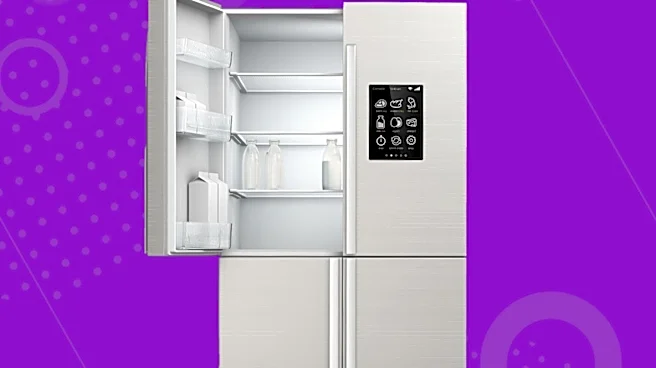
Connected kitchens are increasingly incorporating Internet-connected appliances, such as smart refrigerators and smart scales, to automate tasks and improve functionality. Smart refrigerators can track inventory and suggest recipes, while smart scales, like
the Drop scale, connect to iPad applications to assist with baking. These devices leverage the Internet of Things (IoT) to offer features like remote control and energy management, aiming to streamline kitchen operations and enhance the user experience. The integration of these technologies signifies a broader trend towards smart home ecosystems, where various devices communicate and operate in concert to provide convenience and efficiency. This development is part of a larger movement in consumer electronics focusing on functional tools that deliver measurable improvements in daily routines, rather than just novelty gadgets.
Why It's Important?
The rise of connected kitchens is important as it reflects a significant shift in consumer expectations towards integrated and automated home environments. For U.S. industries, this trend drives innovation in appliance manufacturing, software development for IoT platforms, and data analytics for personalized user experiences. Businesses in the smart home sector stand to gain from increased demand for interconnected devices and services. Consumers benefit from enhanced convenience, reduced manual effort in meal preparation, and potentially more efficient energy usage. However, this also raises concerns about data privacy and cybersecurity, as these devices collect and transmit personal usage data. The long-term impact could include a redefinition of domestic labor, with technology taking over more routine tasks, and a greater emphasis on interoperability standards across different brands and platforms to ensure a seamless user experience.
What's Next?
The future of connected kitchens will likely see further integration of artificial intelligence and machine learning to offer more predictive and personalized services. This could include appliances that anticipate user needs based on past behavior, automatically order groceries when supplies are low, or adjust cooking settings based on real-time feedback. We can expect continued advancements in sensor technology and connectivity protocols to improve the reliability and responsiveness of these devices. Additionally, there will be an increased focus on developing robust cybersecurity measures to protect user data and ensure the integrity of smart kitchen systems. Industry standards for interoperability will also become crucial to allow devices from different manufacturers to work together seamlessly, fostering a more cohesive and user-friendly smart home ecosystem.
Beyond the Headlines
Beyond the immediate convenience, the proliferation of connected kitchens has deeper implications for lifestyle and consumer behavior. The constant data collection by smart appliances could lead to new forms of targeted advertising and personalized product recommendations, potentially influencing dietary choices and purchasing habits. There's also an ethical dimension concerning the 'right to repair' and the longevity of these technologically advanced appliances, as software updates and proprietary components might limit their lifespan or repairability. Culturally, the smart kitchen could further blur the lines between domestic and digital life, transforming the kitchen from a purely functional space into a highly interactive and data-driven hub. This shift could also exacerbate the digital divide, as access to these advanced technologies might remain concentrated among higher-income demographics, creating disparities in household efficiency and convenience.