


What's Happening?
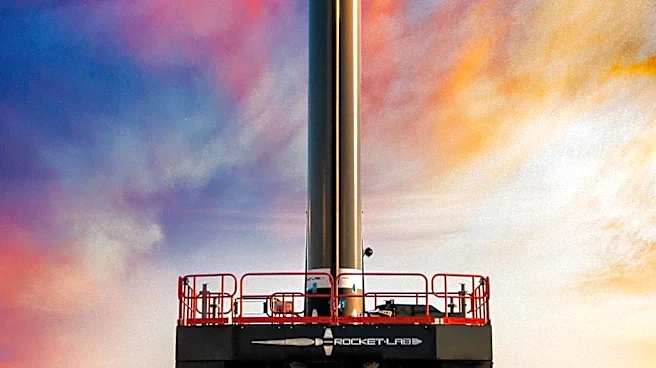
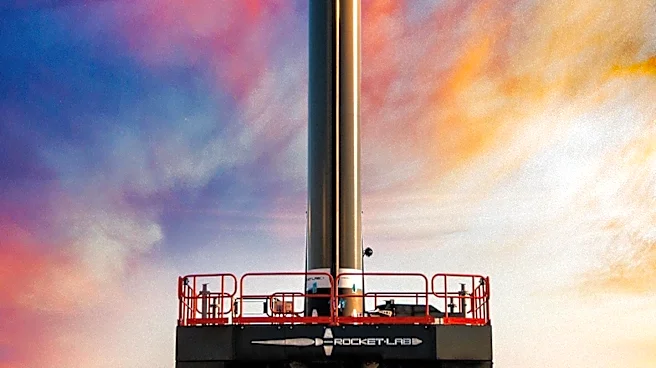
Rocket Lab has raised the base price of its Neutron rocket from $55 million to $70 million per launch, a more than 25% increase, as announced on November 9, 2026, during its third-quarter results. This price adjustment comes before the Neutron rocket's
inaugural flight, which is planned for 2027. The company also reported signing eight Neutron missions with five constellation operators, totaling over $515 million in contracts, with several of these missions already secured at the new $70 million price point. Rocket Lab attributes this price hike to strong customer demand and tightening launch capacity in the market. The new price places Neutron within $4 million of SpaceX's reported Falcon 9 price of $74 million, creating a narrow competitive margin between an unflown rocket and an operational, proven launch vehicle.
Why It's Important?
This price increase by Rocket Lab, prior to Neutron's first flight, signals a significant shift in the commercial space launch market. It suggests that demand for launch services is outstripping supply, allowing providers to command higher prices even for unproven vehicles. For customers, particularly constellation operators who require frequent and reliable launches, this means potentially higher costs and a greater emphasis on schedule certainty and availability. The narrow price gap between Neutron and the Falcon 9, a well-established and frequently flown rocket, indicates that Rocket Lab is positioning Neutron as a serious medium-lift competitor rather than a discount alternative. This move could influence pricing strategies across the industry, as other launch providers with open manifests will likely observe how the market responds to Rocket Lab's new pricing structure.
What's Next?
The immediate next step for Rocket Lab is the successful maiden flight of the Neutron rocket, currently planned for 2027. The performance and reliability of this debut will be critical in validating the increased price point and solidifying customer confidence. If the launch is successful, it could further strengthen Rocket Lab's position in the medium-lift market and potentially lead to more contracts at the higher price. Conversely, any delays or failures could undermine the company's pricing strategy and create challenges in retaining its backlog. The market will also be watching for any reactions from SpaceX regarding Falcon 9 pricing or availability, although no official changes have been announced. The competitive landscape will continue to evolve as other new rockets, such as Stoke Space's Nova and Europe's Ariane 64, enter the market, vying for the same pool of constellation customers.
Beyond the Headlines
The decision to raise prices before a maiden flight reflects a strategic gamble by Rocket Lab, betting on the perceived scarcity of launch options and the urgency of constellation deployment. This move could reshape how risk is priced in the commercial space sector, with customers potentially paying a premium for future capacity and diversification away from a single dominant provider. The long-term implications include a potential acceleration of investment in new launch vehicle development across the industry, as higher prices could make such ventures more financially viable. However, it also places immense pressure on Rocket Lab to deliver on its promises of schedule and reliability, as a higher price tag comes with elevated customer expectations. This dynamic could lead to more stringent contract terms and greater scrutiny of launch providers' operational performance.