
What's Happening?
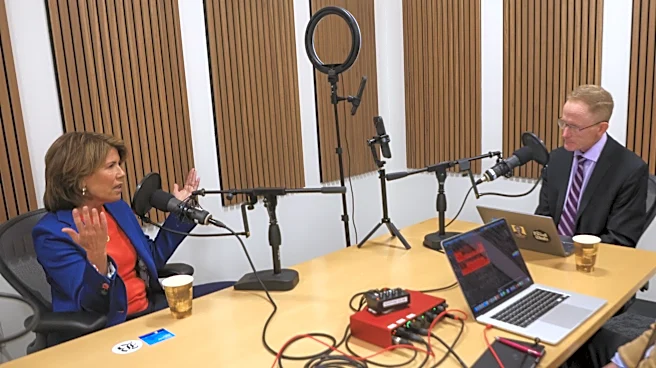
The podcasting landscape is undergoing a significant transformation, moving beyond its audio-only origins to embrace visual and live formats. Once characterized by hosts who prioritized content over on-screen
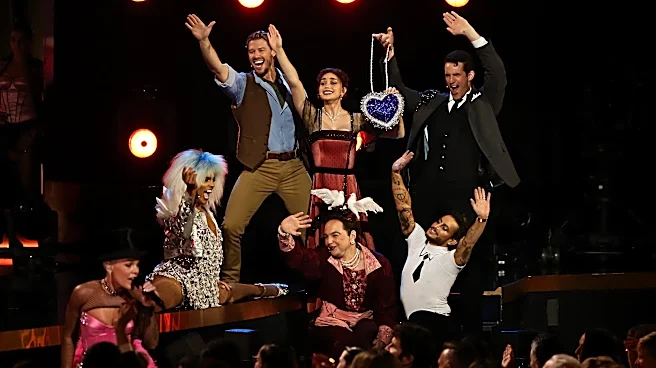
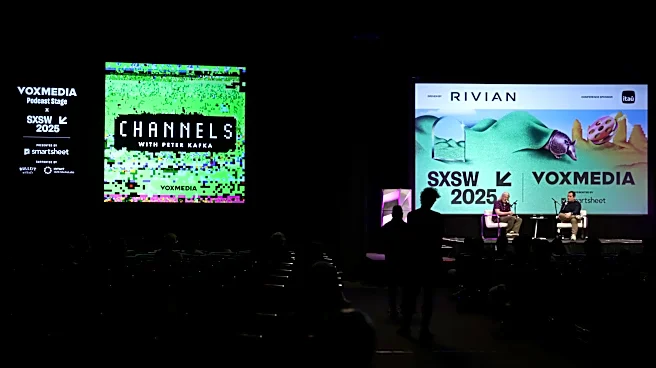
presence, podcasts are now frequently filmed for social media clips, recorded in front of live audiences, and presented as full-scale live events. This shift demands more from hosts, requiring them to be not only engaging audio personalities but also capable entertainers for visual mediums and large crowds. Successful live podcasts often feature comedians or experienced broadcasters who can deliver dynamic performances. For instance, the popular UK podcast 'Dish' recently hosted a sold-out live show at the Royal Opera House, incorporating celebrity interviews, cooking demonstrations, and unexpected entertainment elements. This evolution highlights a broader trend where audio content is increasingly integrated with visual components and interactive live experiences to capture and retain audience attention.
Why It's Important?
This evolution in podcasting holds significant implications for content creators, advertisers, and the media industry as a whole. For creators, it means an expanded skill set is now necessary, moving beyond just vocal performance to include visual presentation and live engagement. This could lead to a new wave of talent entering the podcasting space, potentially shifting the demographic and professional background of successful podcasters. Advertisers and sponsors, like Waitrose with 'Dish,' are finding new avenues for brand integration, where products can be showcased visually and interactively during live events or video segments, offering more immersive marketing opportunities. The increased production value and demand for live events also suggest a potential for higher revenue streams through ticket sales and premium content, transforming podcasting into a more multifaceted entertainment business. This trend could also influence how other digital media platforms develop, pushing them towards more hybrid audio-visual and interactive formats.
What's Next?
The trend towards visual and live podcasting is likely to continue, with more shows incorporating video elements, live audience interactions, and theatrical productions. This could lead to increased investment in production quality, including professional videography, stage design, and event management for podcasts. We may see a rise in specialized agencies that help podcasters transition to these new formats, offering services in video production, live event coordination, and visual content strategy. Furthermore, platforms like YouTube and other video-sharing sites could become even more central to podcast distribution, challenging traditional audio-centric platforms. The demand for hosts with strong on-screen presence and live performance skills will grow, potentially leading to more collaborations between podcasters and performers from theater, comedy, and television. This evolution also opens doors for new monetization models, such as pay-per-view live streams, exclusive visual content subscriptions, and enhanced merchandise sales tied to live events.
Beyond the Headlines
The shift to visual and live podcasting reflects a broader cultural move towards multi-sensory and experiential content consumption. In an increasingly crowded digital landscape, simply providing audio content may no longer be sufficient to capture and maintain audience engagement. This evolution pushes the boundaries of what 'radio' can be, blurring the lines between traditional broadcasting, digital media, and live performance art. It also raises questions about accessibility, as live events and high-production-value video content may exclude audiences with limited access to technology or geographical constraints. Ethically, creators will need to navigate the balance between authentic, unpolished content and the demands of a visually polished, entertainment-driven format. This transformation could ultimately redefine the very nature of podcasting, moving it from a niche audio medium to a mainstream, multimedia entertainment powerhouse that competes directly with television and live theater.