



What's Happening?
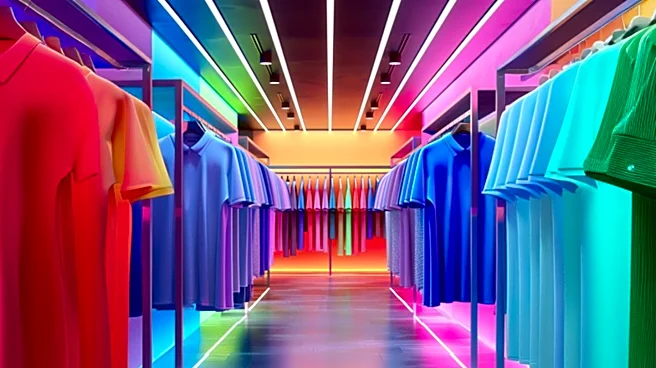
Walmart is aggressively pursuing its goal to become America's leading fashion destination, a strategy that includes attracting higher-income shoppers. The company has brought in renowned fashion designer Brandon Maxwell, known for styling Lady Gaga and Dr.
Jill Biden and running his own luxury label, to serve as creative director for its Free Assembly and Scoop brands. This move is part of a broader initiative led by Denise Incandela, head of Walmart U.S. fashion, who joined in 2017. Under Incandela's leadership, Walmart has launched or refreshed 15 of its own brands and integrated over 1,500 external brands into its product assortment. The company's fashion segment has been identified as a 'bright spot' in its financial performance, contributing to growth in U.S. general merchandise sales, with Marketplace categories, including fashion, experiencing over 40% growth. Walmart aims to capture a larger share of apparel spending from its existing customer base, as approximately 80% of their clothing expenditures currently go to higher-priced retailers.
Why It's Important?
Walmart's intensified focus on fashion, particularly with the inclusion of a high-caliber designer like Brandon Maxwell, signifies a strategic shift to redefine its brand image beyond just value. This initiative is crucial for Walmart as it seeks to attract and retain a more affluent customer base, with households earning over $100,000 annually being its fastest-growing demographic. By offering stylish and affordable options, Walmart aims to tap into a market where consumers are increasingly value-conscious and willing to look beyond traditional brand labels, especially during times of economic pressure. The company's immense purchasing power allows it to offer competitive pricing, making fashion more accessible and potentially disrupting the market for mid-range and even some luxury brands. This could lead to a significant reallocation of consumer spending on apparel, impacting both established fashion retailers and emerging brands.
What's Next?
Walmart is expected to continue expanding its fashion offerings, potentially introducing more designer collaborations and private label brands to solidify its position as a fashion leader. The success of this strategy will likely depend on its ability to consistently deliver on both style and quality, challenging consumer perceptions of the brand. The company will need to monitor consumer response to its new collections and designer collaborations, adjusting its strategy based on sales data and customer feedback. Competitors in the fashion retail space, from discount chains to department stores, will likely observe Walmart's progress closely, potentially leading to similar strategic adjustments in their own offerings. The ongoing economic climate, characterized by consumers' increased focus on value, could further accelerate Walmart's growth in the fashion sector, making its apparel section a key battleground in retail.
Beyond the Headlines
The deeper implication of Walmart's fashion push, particularly with designers like Brandon Maxwell, lies in its potential to democratize fashion and blur the lines between high-end and mass-market retail. By making designer-influenced clothing accessible at lower price points, Walmart could reshape consumer expectations about where and how they purchase apparel. This initiative also highlights a broader trend in retail where traditional boundaries between different market segments are eroding, forcing brands to innovate and adapt. The challenge for Walmart will be to maintain the perceived value and style credibility of its fashion lines while upholding its reputation for affordability. This could lead to a cultural shift where the 'label' on clothing becomes less significant than the actual design and quality, empowering consumers to make choices based on personal style rather than brand prestige. The move also underscores the increasing importance of strategic partnerships and creative direction in driving retail growth and brand transformation.