





What's Happening?
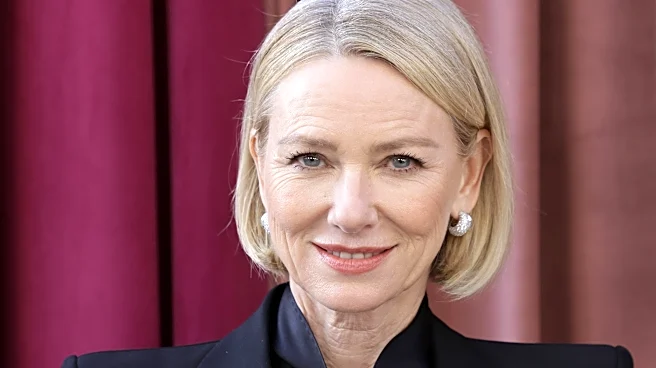
Stripes Beauty, a menopause-focused supplement brand founded by Oscar-nominated actress Naomi Watts, has successfully raised $5 million in equity financing. The funding was secured via the U.S. Securities and Exchange Commission from investor Jibe Ventures,
which is now joining L Catterton as a brand supporter. L Catterton had previously acquired Stripes in 2024 after Watts bought the brand out of the bankruptcy of biotechnology company Amyris. Watts initially partnered with Amyris in 2022 to launch the pro-aging brand. Under L Catterton's ownership, Stripes' leadership includes former Revlon CEO Debra Perelman as executive chair and former L’Oréal vice president of brand engagement Cara Kamenev as president and CEO. The newly acquired funds are earmarked for building Stripes’ supplement business, expanding its presence at Ulta Beauty through the retailer’s education-led platform, Wellness by Ulta Beauty, and fostering growth in direct-to-consumer sales and product development. The brand recently launched 'Rite of Passion,' a $65 hormone-free gummy supplement developed with sexual health experts Cindy Meston and OB-GYN Somi Javaid, which is reportedly outperforming similar sexual wellness products in its category.
Why It's Important?
This $5 million funding round is significant for the U.S. supplement market and the broader wellness industry. It signals continued investor confidence in the menopause and pro-aging sectors, which represent a growing demographic with specific health and wellness needs. The investment will enable Stripes Beauty to expand its product offerings and distribution channels, particularly through Ulta Beauty, a major U.S. retailer. This expansion could increase accessibility to menopause-focused products for a wider consumer base, potentially destigmatizing discussions around menopause and promoting women's health. The reported success of 'Rite of Passion' also highlights a burgeoning demand for sexual wellness products tailored to midlife women, indicating a shift in consumer preferences and market opportunities. For L Catterton and Jibe Ventures, this investment reinforces their strategic positioning in the health and beauty sectors, aiming to capitalize on the increasing consumer focus on holistic well-being and specialized care.
What's Next?
The immediate next steps for Stripes Beauty involve utilizing the $5 million funding to bolster its supplement business. This includes a focused expansion within Ulta Beauty's 'Wellness by Ulta Beauty' platform, which will likely involve increased marketing and educational initiatives to reach consumers. The brand also plans to enhance its direct-to-consumer sales efforts and accelerate product development, suggesting new supplements or wellness products may be introduced in the near future. Given the reported success of 'Rite of Passion,' Stripes Beauty may prioritize further innovation in the sexual wellness category. The involvement of prominent figures like Debra Perelman and Cara Kamenev in leadership roles indicates a strategic push for market penetration and brand growth. The company's trajectory will be closely watched by competitors and investors in the rapidly expanding U.S. wellness and supplement industries.
Beyond the Headlines
The success of Stripes Beauty and its recent funding round reflect a broader cultural and economic shift in how menopause and women's aging are perceived and addressed in the U.S. Historically, menopause has been a topic often shrouded in silence, but brands like Stripes Beauty, fronted by public figures like Naomi Watts, are contributing to its destigmatization. This trend is not just about product sales; it's about empowering women to openly discuss and seek solutions for their health concerns during midlife. The focus on 'pro-aging' rather than 'anti-aging' also signifies a more positive and holistic approach to the natural aging process. Ethically, the collaboration with sexual health experts for products like 'Rite of Passion' underscores a commitment to evidence-based solutions, which is crucial in the often-unregulated supplement market. This development could encourage more mainstream retailers and healthcare providers to integrate menopause-specific wellness solutions, leading to a more comprehensive and supportive ecosystem for women's health.