



What's Happening?
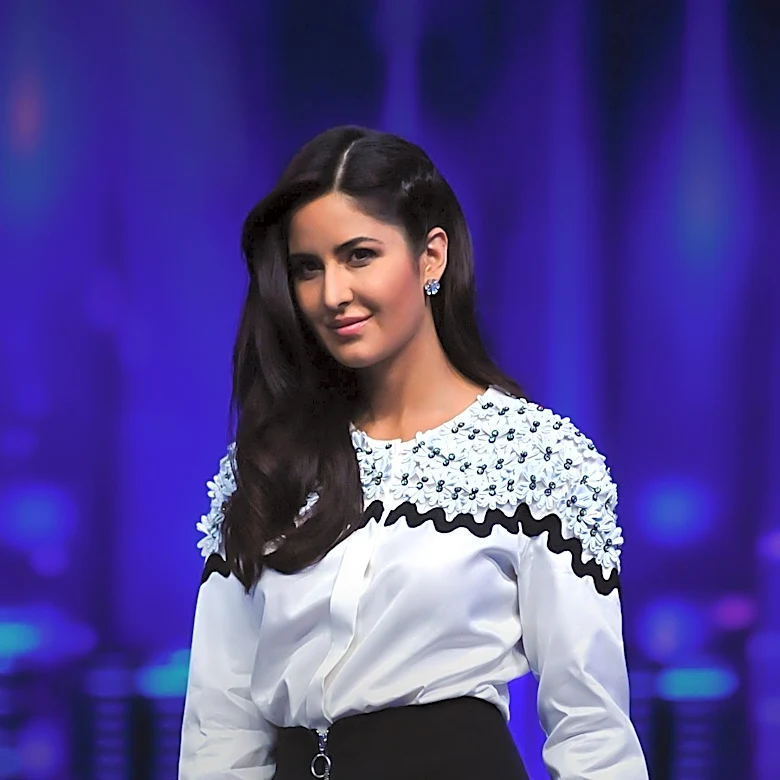
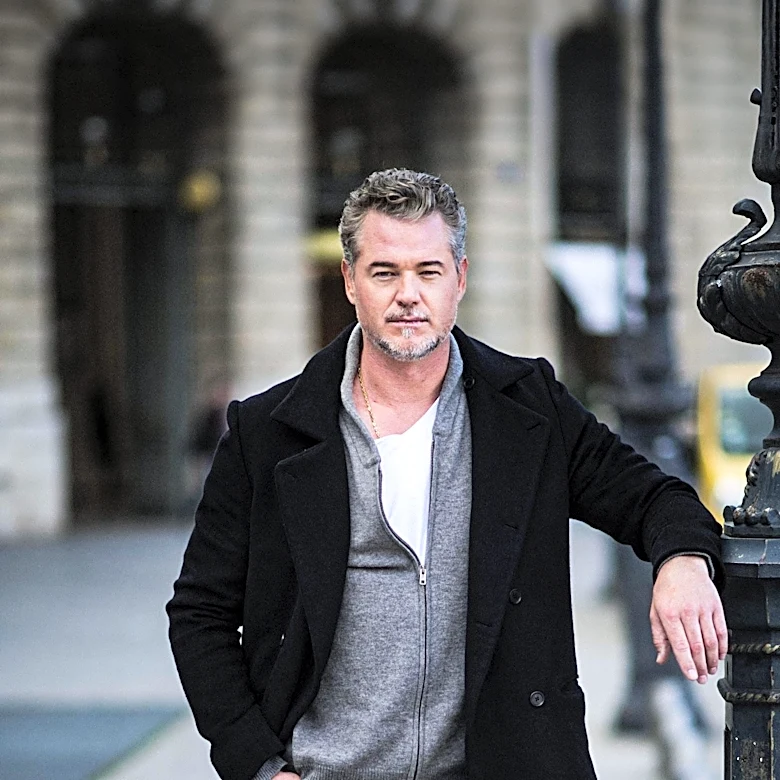
Cast members from the second season of 'The Celebrity Traitors' have shared their reflections on how they would play the game differently if given another opportunity. In a TikTok video with the BBC, several celebrities discussed their initial strategies
and subsequent regrets. Professor Hannah Fry admitted she would not enter the game as a 'professor of mathematics,' acknowledging her academic background might have been a disadvantage. King Kenny, a finalist, expressed a desire to have a concrete plan for the final stages of the game, having previously relied on luck. Joe Lycett, banished mid-season, stated he would change nothing, feeling his experience went 'very well.' Ross Kemp regretted entering the library, the location of his in-game 'murder,' while Miranda expressed annoyance over her 'bouncing floor' theory that led to her elimination. James Blunt simply wished he had 'shut up' more during the competition.
Why It's Important?
The reflections from the cast of 'The Celebrity Traitors' offer insights into the psychological pressures and strategic complexities of reality competition shows. Their candid admissions highlight how pre-conceived game plans often fail under the intense scrutiny and unpredictable dynamics of such environments. For viewers, this provides a deeper understanding of the human element behind the entertainment, revealing the vulnerability and strategic thinking of public figures. For the entertainment industry, these post-show analyses can inform future casting decisions and game design, as producers seek to create even more compelling and unpredictable seasons. The discussion also underscores the public's fascination with celebrity behavior in high-pressure situations, driving engagement and conversation around these types of programs.
What's Next?
The discussions among the cast members about their gameplay and what they would change could influence future seasons of 'The Traitors,' potentially leading to contestants adopting more cautious or aggressive strategies. The idea of an 'All Stars' series, combining both celebrities and civilians, has been floated, which could further intensify the strategic depth of the game. Such a format would allow for experienced players to test new tactics against both familiar and fresh faces. The ongoing public interest in these post-show reflections suggests a continued appetite for behind-the-scenes insights and strategic breakdowns, which producers may leverage to maintain audience engagement between seasons. Future contestants will likely study these past experiences to refine their own approaches.
Beyond the Headlines
The candid reflections from the cast members of 'The Celebrity Traitors' delve into broader themes of identity, perception, and self-preservation under duress. Professor Hannah Fry's comment about not wanting to be seen as a 'professor of mathematics' speaks to the challenge of managing public perception and stereotypes in competitive environments. Similarly, James Blunt's wish to have 'shut up' more highlights the delicate balance between transparency and strategic silence. These insights reveal how individuals adapt, or fail to adapt, their public personas to fit the demands of a game that thrives on deception and trust. The show, through these post-mortem analyses, becomes a microcosm for understanding human behavior in high-stakes social interactions, where reputation, trust, and strategic communication are paramount.