
What's Happening?
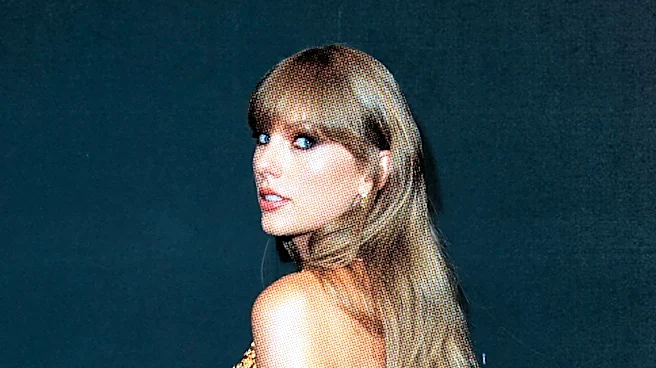
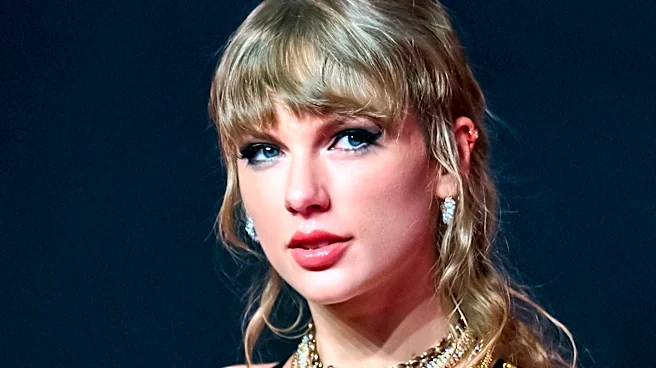
Vanity Fair is experiencing significant fallout within Hollywood after publishing a controversial profile of Taylor Swift titled 'The Mastermind.' The article reportedly portrayed Swift as a 'master manipulator,' drawing criticism from her fanbase and
media observers. According to a Hollywood insider speaking to Rob Shuter’s Naughty But Nice Substack, the article has put A-list celebrities in a difficult position. Many stars who attended Swift's wedding to Travis Kelce are now hesitant to appear on Vanity Fair covers, fearing they would appear disloyal. This reluctance stems from a desire to protect their own public image and avoid being seen as betraying someone they recently celebrated with. The situation is further complicated by an allegation, reported by Page Six, that Vanity Fair's publisher Condé Nast requested exclusive wedding photos from Swift, which she declined. Some insiders suggest this refusal may have prompted retaliatory actions from the publishing company, contributing to the current strained relationship.
Why It's Important?
This developing feud holds significant implications for Vanity Fair's standing within the entertainment industry, particularly concerning its access to top-tier celebrity talent. A Vanity Fair cover is often a crucial component of an Oscars campaign, providing invaluable publicity for actors and films. If major stars choose to distance themselves from the magazine, it could severely impact Vanity Fair's ability to secure high-profile interviews and exclusive content, especially during critical awards seasons. The situation highlights the power dynamics between influential celebrities and media outlets, demonstrating how a perceived slight against a figure like Taylor Swift can ripple through the industry. For celebrities, the decision to align with or distance themselves from Vanity Fair becomes a strategic calculation involving public perception, loyalty, and career advancement. The incident also underscores the growing influence of fan bases, such as Swifties, whose collective disapproval can sway celebrity decisions and media strategies.
What's Next?
The immediate future for Vanity Fair may involve navigating a period of strained relationships with prominent Hollywood figures. The magazine could face challenges in securing cover features and exclusive access to A-list celebrities, particularly those with close ties to Taylor Swift. Publicists for these stars will likely advise caution regarding collaborations with Vanity Fair to avoid negative public perception. The ongoing awards season could further amplify these tensions, as celebrities weigh the benefits of Vanity Fair exposure against potential backlash from Swift's supporters. It remains to be seen whether Vanity Fair will issue any public statement or take steps to mend its relationship with Swift and her circle. The situation could also prompt other media outlets to reassess their approach to celebrity profiles, considering the potential repercussions of perceived negative portrayals.
Beyond the Headlines
Beyond the immediate industry implications, this event touches upon broader themes of media ethics, celebrity power, and the evolving landscape of public relations. The allegation of Condé Nast seeking wedding photos and then potentially retaliating raises questions about journalistic integrity and the pressure exerted by publishing houses. It also highlights the increasing agency celebrities wield in controlling their narratives and image, especially in the age of social media where direct communication with fans is possible. The incident could signal a shift in how celebrities engage with traditional media, potentially leading to more selective collaborations or a greater reliance on self-produced content. Furthermore, it underscores the ethical tightrope media outlets walk when profiling powerful figures, balancing critical analysis with the need to maintain industry relationships and access.