



What's Happening?
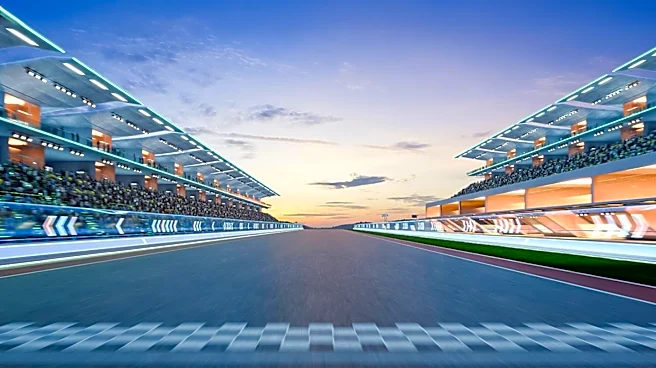
There is growing discussion within NASCAR circles about the potential revival of the Firecracker 400 race at Daytona International Speedway, traditionally held on July 4. This race, which was a staple from 1959 to 1997, was initially scheduled on July 4 regardless
of the day of the week, later moving to the Saturday closest to the holiday. The event was known for its morning start times, designed to avoid the intense heat and afternoon thunderstorms typical of Florida summers. The race was moved to a Saturday night in 1998 and eventually shifted to August after 2019, aligning with the end of the regular NASCAR season. The current debate centers on whether to return the race to its original July 4 date, with some competitors and fans nostalgic for the tradition and atmosphere of the earlier schedule.
Why It's Important?
The potential return of the Firecracker 400 to its original July 4 date could have significant implications for NASCAR's scheduling and fan engagement. The race was historically a major event, attracting fans who enjoyed the combination of racing and holiday festivities. Reviving this tradition could boost attendance and viewership, tapping into the nostalgia of long-time fans and potentially attracting new audiences. Additionally, the move could impact the competitive dynamics of the NASCAR season, as the race would no longer serve as a prelude to the playoffs but rather as a mid-season highlight. This change could influence team strategies and the overall excitement of the NASCAR calendar.
What's Next?
If NASCAR decides to proceed with reviving the Firecracker 400 on July 4, logistical considerations will need to be addressed, including negotiating with media partners about race start times. The traditional morning start, which was popular for avoiding heat and storms, may conflict with current broadcasting preferences. NASCAR will also need to consider the impact on the rest of the racing schedule and how this change might affect the competitive balance of the season. Stakeholder feedback, including from teams, drivers, and fans, will likely play a crucial role in the decision-making process.