



What's Happening?
Julian Assange, the founder of WikiLeaks, expressed strong disapproval of the 2013 film 'The Fifth Estate,' which depicted the early days of WikiLeaks and his collaboration with Daniel Brühl. The movie chronicles their efforts to create an anonymous platform
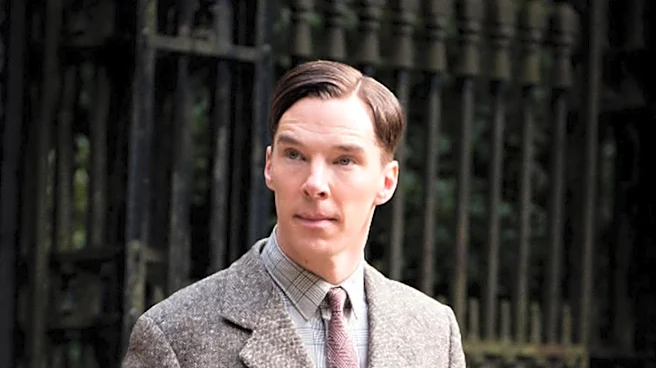
for whistleblowers, leading to the release of a significant cache of confidential intelligence documents. Assange not only disliked the film's premise but also specifically objected to Benedict Cumberbatch playing his role. Prior to the film's release, WikiLeaks made public a letter sent to Cumberbatch, urging him to withdraw from the project. Assange clarified that his issue was not with Cumberbatch personally, but rather with the existence of the film itself, indicating a fundamental disagreement with its production and narrative.
Why It's Important?
This situation highlights the complex ethical and representational challenges inherent in biopics, particularly when the subject is a living, controversial figure. For U.S. audiences, 'The Fifth Estate' touched upon sensitive issues of national security, government transparency, and the role of whistleblowers, which are frequently debated in American public discourse. Assange's public rejection of the film raises questions about the accuracy and integrity of biographical storytelling in media, especially when it involves individuals who have directly impacted global politics and information dissemination. The controversy underscores the tension between artistic interpretation and the subject's right to control their narrative, potentially influencing how future films about real-life figures are approached and received by both the subjects and the public.
What's Next?
While 'The Fifth Estate' has already been released, the ongoing debate surrounding its accuracy and Assange's objections could influence future biographical films. Filmmakers might face increased scrutiny and pressure to consult with or gain approval from their subjects, particularly for sensitive or controversial topics. This could lead to more collaborative projects or, conversely, more legal challenges and public disputes over factual representation. For figures like Assange, who remain in the public eye, their continued commentary on such portrayals could shape public perception of both the film and the individual, potentially impacting their legacy and the broader conversation around media ethics and freedom of information.
Beyond the Headlines
The controversy surrounding 'The Fifth Estate' delves into deeper implications regarding the power of media to shape public perception and historical narratives. Assange's strong reaction underscores the potential for biopics to become part of the very story they aim to tell, influencing how individuals are remembered and understood. This case also touches upon the ethical responsibilities of actors and filmmakers when portraying real people, especially those involved in high-stakes political events. It prompts reflection on whether creative license should take precedence over factual fidelity, and how such decisions can impact the subject's life and reputation. The incident serves as a reminder of the ongoing tension between artistic freedom and the demands of historical accuracy, particularly in an era where information and its interpretation are highly contested.