



What's Happening?
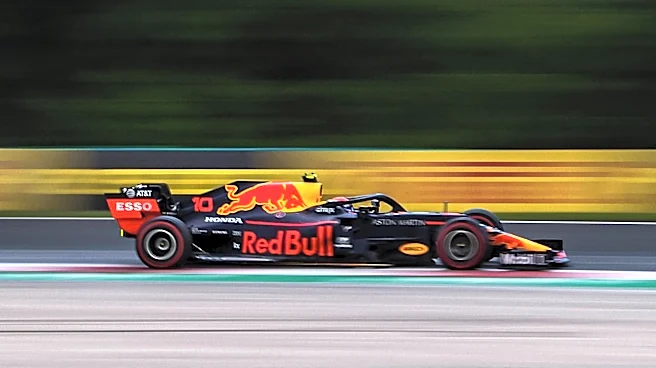
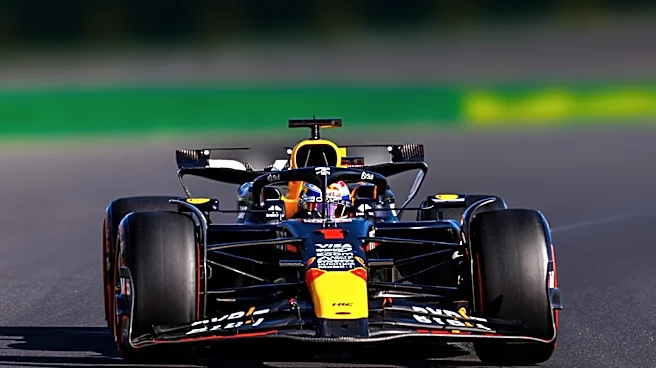
Max Verstappen's crash during the Austrian Grand Prix qualifying was initially perceived as a driver error, but new information reveals it was due to a mechanical failure. The incident occurred when a critical hardware defect in the rear wing mechanism
failed to reconnect properly, leading to a loss of aerodynamic grip. This failure caused Verstappen to lose control of the car, resulting in a crash that prevented him from securing a front-row start. The Red Bull team described the issue as a loss of 'aero performance,' but further investigation confirmed the mechanical nature of the failure.
Why It's Important?
This revelation shifts the narrative from driver error to mechanical reliability, highlighting the importance of robust engineering in Formula 1. For Red Bull Racing, addressing such mechanical issues is crucial to maintaining competitiveness and ensuring driver safety. The incident underscores the challenges teams face in balancing performance enhancements with reliability. It also impacts Verstappen's championship campaign, as the crash affected his starting position and potential race outcome. The team's response to this failure will be critical in preventing similar incidents and maintaining their standing in the championship.
What's Next?
Red Bull Racing will need to conduct a detailed investigation into the mechanical failure to prevent future occurrences. This will involve reviewing the design and functionality of the rear wing mechanism and implementing necessary improvements. The team will also focus on enhancing communication and transparency regarding technical issues to maintain trust with stakeholders. Competitors may use this incident to assess their own mechanical reliability and make strategic adjustments. The outcome of these efforts will influence Red Bull's performance in upcoming races and their position in the championship standings.