
What's Happening?
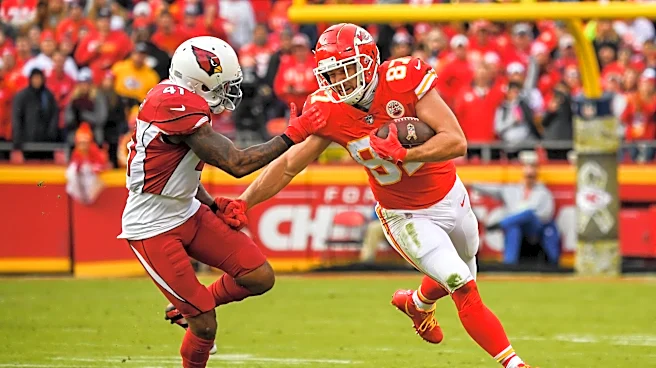
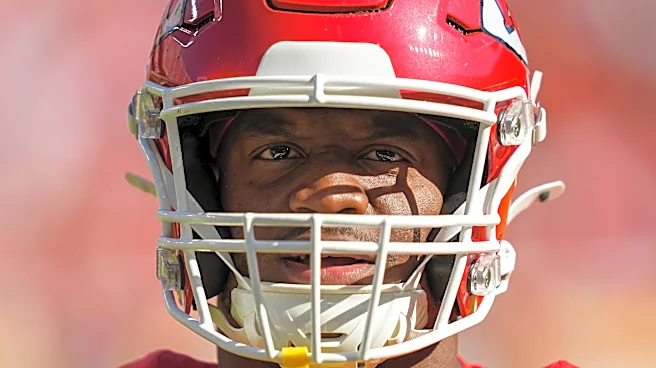
The Kansas City Chiefs' offense has undergone a significant transformation, largely due to the acquisition of running back Kenneth Walker III and a renewed emphasis on their run game. In the 2024 and 2025 seasons, the Chiefs struggled with explosive plays,
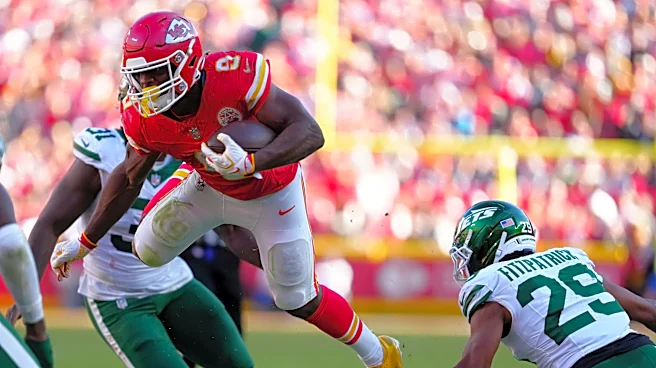
ranking tied for 29th in the NFL by generating 20-plus yard gains on only 4.8% of offensive plays. This marked a decline from their previous performance between 2018 and 2023, when they ranked second in the NFL for explosive plays. Defenses had adapted by employing two-high coverages to limit deep passes, forcing the Chiefs to rely on shorter gains. The team's success rate also dropped from 50.5% (2021-2023) to 48.5% (2024-2025). To address this, the Chiefs signed Kenneth Walker III to a three-year, $43.05 million contract. This investment has paid off, as the Chiefs have jumped from last in explosive run rate in 2024-2025 to third in 2026. Their yards-per-carry average has risen from 31st to first in the league, and their EPA per-play average on rushing attempts has also climbed to first.
Why It's Important?
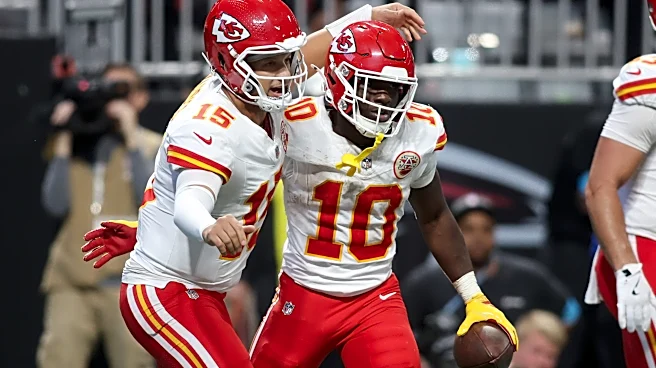
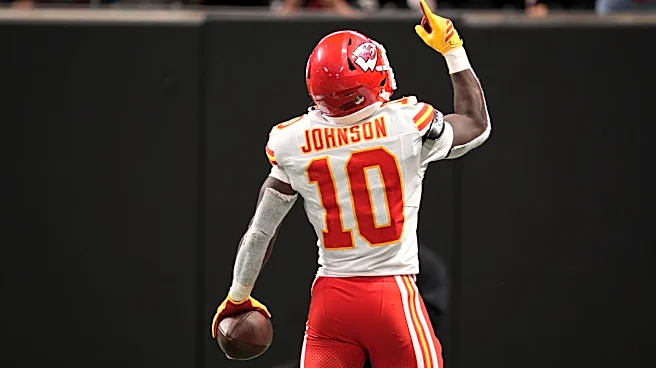
This shift in offensive strategy is crucial for the Kansas City Chiefs as it re-establishes them as a top contender in the NFL. Their previous reliance on Patrick Mahomes' passing game had become predictable, allowing defenses to scheme effectively against them. By developing a potent run game, the Chiefs have added a critical dimension to their offense, making them more versatile and harder to defend. The ability of Kenneth Walker III and backup Emmett Johnson to create explosive runs and yards after contact has significantly boosted the team's overall offensive efficiency. This improvement is reflected in their current standing as fifth in EPA per play and first in yards per play this season. The enhanced run game alleviates pressure on Mahomes and the passing attack, allowing for more balanced play-calling and sustained drives. This strategic adjustment could be the key to their continued success and deep playoff runs, especially given the challenges they've faced with offensive line injuries and a lack of significant additions to their pass-catching corps until recently.
What's Next?
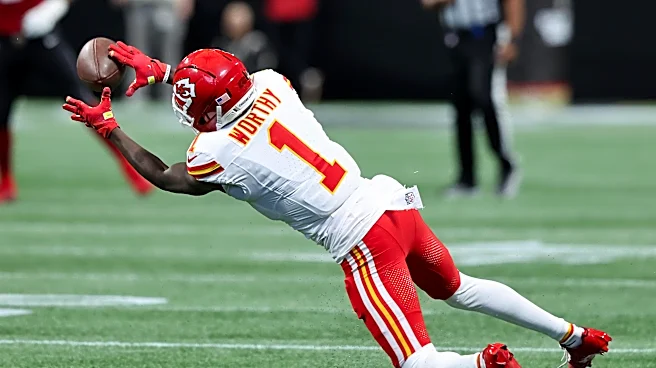
The Kansas City Chiefs will aim to maintain the momentum generated by their revitalized run game as they progress through the current season. Their improved offensive balance will be tested in upcoming games, particularly as they face strong defensive units. The continued performance of Kenneth Walker III and Emmett Johnson will be critical for sustaining their high offensive efficiency. The team will also need to integrate new pass-catching talent, such as Josh Downs, to further diversify their offensive threats. Managing injuries on the offensive line will remain a key factor, as the run game's success is partly dependent on effective blocking. If the Chiefs can consistently leverage their strong ground attack, it will open up more opportunities for their passing game and make them a formidable opponent for any team. Their ability to adapt and execute this new offensive identity will determine their trajectory for the remainder of the season and their playoff aspirations.
Beyond the Headlines
The Chiefs' strategic pivot to a run-heavy offense, driven by Kenneth Walker III, highlights a broader trend in the NFL where teams are re-evaluating the value of a dominant ground game. In an era often characterized by high-flying passing attacks, Kansas City's success demonstrates that a strong rushing presence can still be a cornerstone of an elite offense. This shift could influence other teams to invest more heavily in their running back rooms and offensive line play, potentially leading to a league-wide re-emphasis on establishing the run. Furthermore, it underscores the importance of adaptability in professional sports; even highly successful teams like the Chiefs must evolve their strategies to counter defensive adjustments. The ability of individual players like Walker to consistently create yardage after contact also showcases the enduring impact of elite talent at the running back position, challenging narratives that have sometimes devalued the position in recent years. This strategic evolution could mark a significant tactical shift in how NFL offenses are constructed and executed.