






What's Happening?
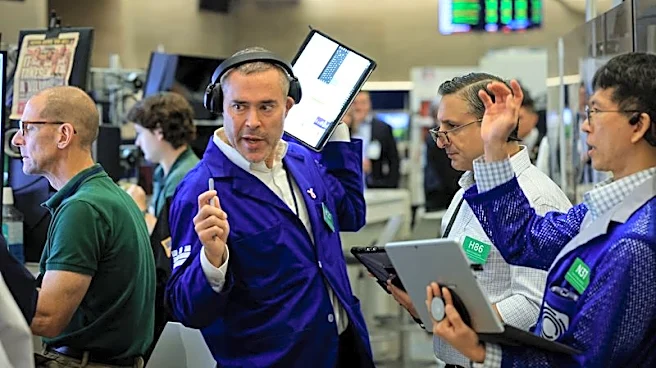
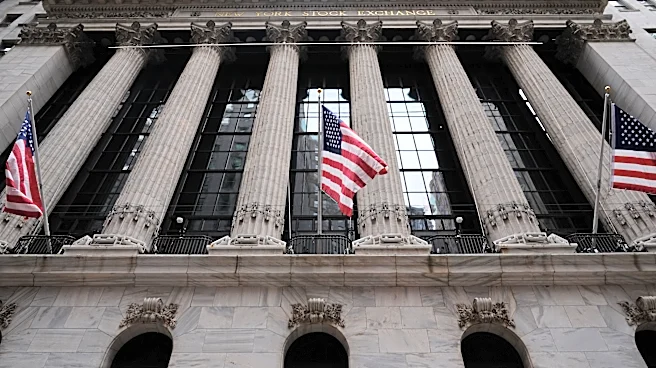
U.S. stock markets experienced gains as new economic data indicated a slowdown in inflation, calming investor concerns. The Dow Jones Industrial Average increased by 0.5%, the S&P 500 rose by 0.9%, and the Nasdaq Composite surged by 1.7%. The Commerce
Department reported that the core personal consumption expenditures (PCE) index, a key inflation measure, rose by 0.1% in June, below the expected 0.2%. On an annual basis, core PCE increased by 3.3%, aligning with forecasts. Additionally, the U.S. GDP grew at a 1.5% annualized rate in the second quarter, falling short of the 2.3% consensus estimate.
Why It's Important?
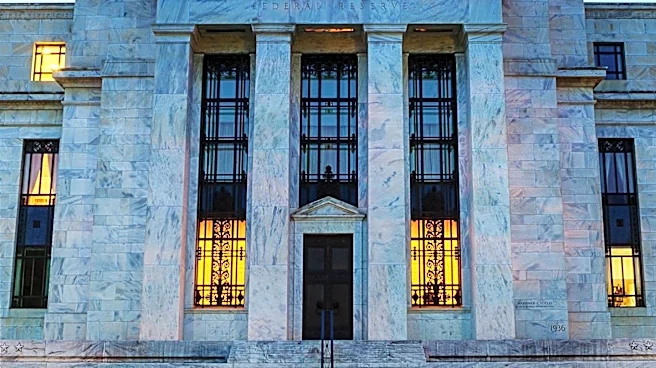
The easing of inflationary pressures, as indicated by the core PCE data, is significant for investors as it suggests a potential slowdown in the Federal Reserve's interest rate hikes. Lower inflation can lead to more favorable borrowing conditions and support economic growth. The stock market's positive response reflects investor optimism about the economic outlook, particularly in the technology sector, which led the gains. However, the lower-than-expected GDP growth highlights ongoing economic challenges that could impact future market performance.
What's Next?
Investors will continue to monitor economic indicators and Federal Reserve actions for further insights into inflation trends and monetary policy. The stock market's trajectory will likely depend on the balance between inflation control and economic growth. Upcoming corporate earnings reports and geopolitical developments could also influence market sentiment. Stakeholders will be particularly attentive to any signals from the Federal Reserve regarding interest rate adjustments in response to evolving economic conditions.