






What's Happening?
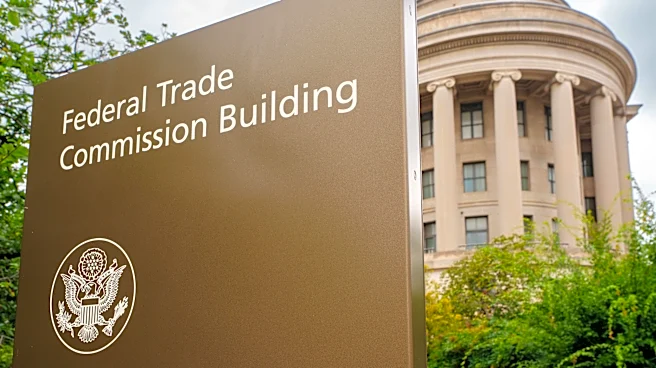
Texas has partnered with the Federal Trade Commission (FTC) to oppose a proposed deal between competing entities in the veterinary supply industry. This joint action signifies a regulatory effort to scrutinize mergers and acquisitions that could potentially
reduce competition within specific markets. The opposition is part of a broader 'Litigation Roundup' that also includes a lawsuit against a Dallas businessman concerning his acquisition of a blockchain infrastructure business. The collaboration between a state attorney general's office and a federal regulatory body like the FTC indicates a shared concern over market concentration and its potential impact on consumers and businesses within the veterinary sector. This move highlights an ongoing trend of increased antitrust scrutiny in various industries across the United States, aiming to prevent monopolies and ensure fair market practices.
Why It's Important?
This joint opposition by Texas and the FTC is significant because it underscores a commitment to maintaining competitive markets, particularly in essential sectors like veterinary supplies. A lack of competition can lead to higher prices for veterinary clinics, which may then pass those increased costs onto pet owners. It can also stifle innovation and reduce the quality of products and services available. For the veterinary industry, this intervention could prevent a consolidation that might otherwise limit choices for practitioners and potentially impact animal healthcare costs. This action also signals to other industries that regulatory bodies are actively monitoring mergers for anti-competitive implications, potentially deterring future deals that could harm market competition. The involvement of both state and federal authorities amplifies the message that such concerns are being taken seriously at multiple governmental levels.
What's Next?
The immediate next step will likely involve legal proceedings where Texas and the FTC will present their arguments against the proposed merger. The companies involved in the deal will have the opportunity to defend their proposed transaction, potentially by offering concessions or demonstrating that the merger would not harm competition. The outcome of this legal challenge could either block the merger, allow it to proceed with modifications, or permit it as originally planned. This case will also serve as a precedent for future antitrust reviews in the veterinary supply sector and potentially other specialized industries. The decision will be closely watched by businesses considering mergers and acquisitions, as it will provide further insight into the current regulatory climate and the types of deals that are likely to face opposition.
Beyond the Headlines
Beyond the immediate legal battle, this case reflects a broader governmental push to address market concentration across various sectors of the U.S. economy. The increased collaboration between state and federal antitrust enforcers suggests a more unified and robust approach to competition policy. This could lead to a more challenging environment for large corporations seeking to expand through acquisitions, particularly in industries deemed critical or those with already limited competition. The focus on the veterinary supply industry also highlights the growing economic significance of pet care in the U.S., making it a sector where consumer welfare and market dynamics are increasingly under scrutiny. This trend could ultimately reshape how industries approach growth and consolidation, prioritizing competitive health over unchecked expansion.