




What's Happening?
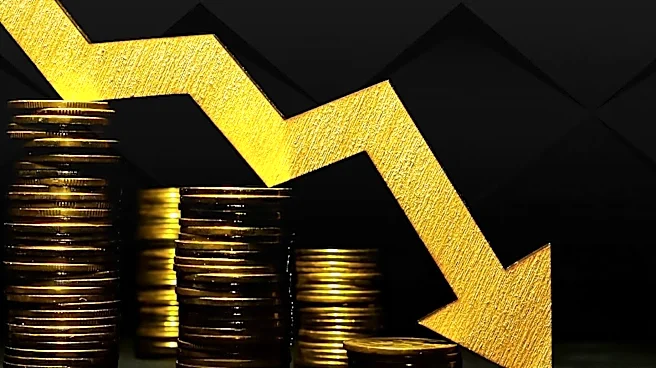
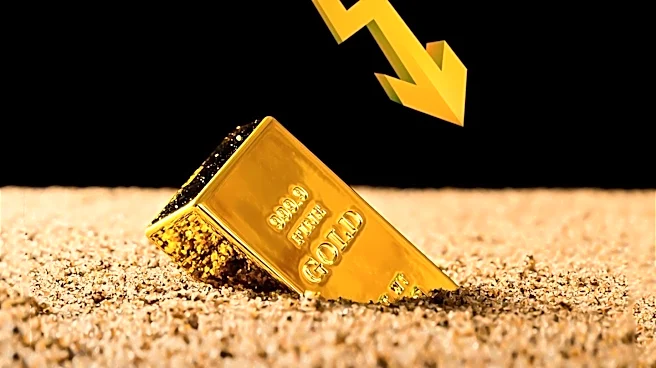
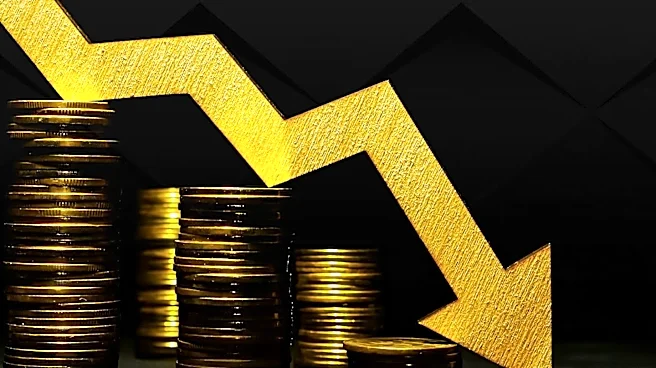
December gold contracts have experienced a nearly 3% decline, pushing the precious metal towards oversold conditions. This downturn is occurring despite a pause in the dollar's seven-session rally, as the U.S. currency remains firm. A primary factor contributing
to gold's struggle is the persistent expectation of further tightening by the Federal Reserve. Markets are currently pricing in nearly three 25 basis point interest rate increases through 2027, aligning with the October minutes' indication that additional tightening would likely be necessary. This environment, characterized by rising interest rates, typically creates an unfavorable climate for gold, as it does not offer a yield. The scale of the recent decline also suggests that forced liquidation may be taking place, with investors reducing their exposure across various markets. This interpretation helps explain why gold is under pressure even as global equities experience sell-offs. Elevated holdings in gold-backed Exchange Traded Funds (ETFs) are also identified as a source of selling pressure, contributing to the metal's downward trend.
Why It's Important?
The decline in gold prices has significant implications for investors and the broader financial market. Gold is often considered a safe-haven asset, and its underperformance amidst global equity sell-offs indicates a shift in investor sentiment, prioritizing yield-bearing assets over traditional hedges. The Federal Reserve's anticipated monetary tightening directly impacts the attractiveness of gold; as interest rates rise, the opportunity cost of holding non-yielding assets like gold increases, making interest-bearing investments more appealing. This dynamic can lead to capital outflows from gold, affecting its market value. Furthermore, a stronger U.S. dollar makes gold more expensive for holders of other currencies, further dampening demand. The potential for forced liquidation suggests broader market stress, where investors are compelled to sell assets to cover other losses or meet margin calls, which can create a downward spiral in asset prices. This situation highlights the sensitivity of gold to macroeconomic policies and currency strength, influencing investment strategies for both institutional and retail investors in the U.S. and globally.
What's Next?
The immediate future for gold prices will largely depend on upcoming Federal Reserve announcements and economic data. If the Fed continues its hawkish stance and proceeds with anticipated rate hikes, gold is likely to remain under pressure. Market participants will closely monitor inflation reports, employment figures, and any statements from Fed officials for clues regarding the pace and extent of future monetary tightening. A sustained strong dollar would also continue to be a headwind for gold. Conversely, any signs of a slowdown in economic growth or a shift in the Fed's policy outlook towards a more dovish stance could provide some support for gold prices. The behavior of global equity markets will also be crucial; if risk assets continue to decline sharply, there might be a renewed flight to safety, which could eventually benefit gold, although current trends suggest otherwise. Investors will also be watching for any changes in gold-backed ETF holdings, as significant outflows could signal continued bearish sentiment.
Beyond the Headlines
The current pressure on gold extends beyond immediate market dynamics, reflecting deeper shifts in global economic perceptions and investment paradigms. The traditional role of gold as an inflation hedge and a safe haven is being re-evaluated in an environment where central banks are aggressively combating inflation through interest rate hikes. This scenario challenges the conventional wisdom that gold performs well during periods of economic uncertainty, as the allure of higher yields on government bonds and other interest-bearing assets competes directly with gold's appeal. The ongoing strength of the U.S. dollar, driven by interest rate differentials, also underscores a broader confidence in the U.S. economy relative to other major economies, further diminishing gold's attractiveness as an alternative store of value. This period could mark a recalibration of gold's perceived value in modern portfolios, prompting investors to reconsider its allocation in diversified strategies, especially if high-interest rate environments persist longer than anticipated. The interplay between monetary policy, currency strength, and investor psychology is creating a complex landscape for precious metals.