







What's Happening?
Dr. Vonda Wright, an orthopedic surgeon, advises individuals to incorporate progressive overload into their walking routines to increase intensity and promote healthy aging. While walking is a beneficial activity, especially for beginners, its effectiveness
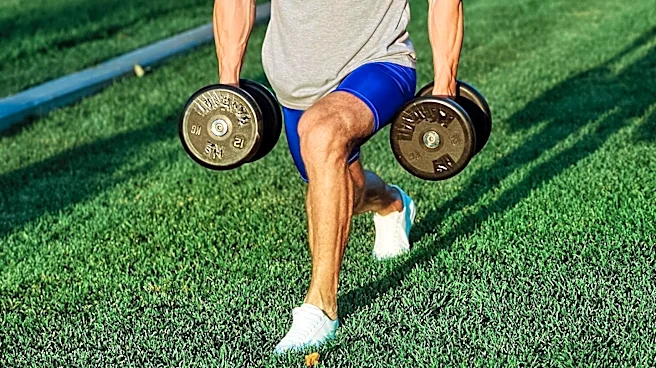
can be enhanced by gradually increasing the duration, speed, weight, or incline. This method challenges the body to adapt, leading to improved endurance, cardiovascular health, and bone density. For those new to walking, Dr. Wright suggests starting with short durations, such as five to ten minutes, and progressively working up to 30 minutes. Once a comfortable 30-minute routine is established, individuals should then modify one variable at a time to make the walk more challenging, such as walking for longer periods, increasing pace, adding weighted vests or dumbbells, or walking uphill. This approach helps to maximize the health benefits derived from walking.
Why It's Important?
The recommendation to apply progressive overload to walking routines is significant for public health, particularly in the context of healthy aging. As the U.S. population ages, strategies to maintain physical fitness and prevent age-related decline become increasingly crucial. Walking is an accessible and low-impact exercise, making it suitable for a wide demographic, including older adults. By making walks more challenging, individuals can achieve greater cardiovascular health, strengthen muscles, and improve bone density, all of which are vital for reducing the risk of chronic diseases and extending lifespan. This approach empowers individuals to transform a basic activity into a more effective workout, contributing to a healthier and more active lifestyle across different age groups and fitness levels. The emphasis on gradual progression also minimizes the risk of injury, making it a sustainable fitness strategy.
What's Next?
Individuals looking to enhance their fitness routines are encouraged to consult with their doctors before making significant changes, especially if they have pre-existing health conditions or injuries. Following Dr. Wright's advice, the next steps involve a gradual implementation of progressive overload principles. This could include setting new goals for walking duration or distance, incorporating interval walking, using weighted gear, or seeking out varied terrains with inclines. Fitness apps and wearable technology could also play a role in tracking progress and motivating individuals to consistently challenge themselves. The broader adoption of these principles could lead to improved public health outcomes, with a more active and resilient population better equipped to manage the challenges of aging.
Beyond the Headlines
The concept of progressive overload, traditionally associated with strength training, being applied to walking highlights a broader shift in understanding exercise physiology and its accessibility. It underscores that even seemingly simple activities can be optimized for significant health benefits. This approach challenges the notion that intense, high-impact workouts are the only path to substantial fitness gains, making advanced fitness principles more approachable for the general public. Furthermore, it emphasizes the importance of continuous adaptation in exercise to prevent plateaus and ensure ongoing physical development. This perspective could influence how fitness programs are designed and promoted, encouraging a more nuanced and personalized approach to physical activity that caters to varying fitness levels and long-term health goals.